Home / Insights on entering the Indian market
Religious Considerations and Practical Points for Success in the Indian Food Market
2026.03.24
India's population exceeds 1.4 billion, and in 2023 it overtook China to become the world's most populous country. This enormous market holds great potential for Japanese food manufacturers, but its complex religious background and food culture also present a hurdle to market entry.
In India, religions such as Hinduism, Islam, and Jainism are deeply embedded in people's diets. Understanding these religious considerations and responding to them appropriately is key to success in the Indian market.
Drawing on the latest market trends and real on-the-ground information, we introduce the religious considerations and practical points Japanese companies need for success in the Indian food market.
India's Major Religions and Their Food Taboos and Restrictions
When doing food business in the Indian market, the most important thing is to understand each religion's food-related taboos and restrictions. Here we explain the food restrictions of each major religion.

Hindus make up about 80% of the population, and many are vegetarian. Beef in particular is taboo, as cows are revered as sacred animals. Dairy products, however, are an important protein source and are also used in religious rituals.
Muslims (about 14% of the population) eat only food that is "halal." Pork is prohibited, and other meats are permitted only if processed in a specific way. Alcohol is also prohibited.
Jains are a small minority at about 0.4% of the population (roughly 4.5 million), but they maintain the strictest food restrictions. They are strict vegans and also avoid root vegetables such as potatoes, onions, and garlic, because harvesting roots kills microorganisms in the soil.
Sikhs may eat meat, but vegetarianism is the principle in religious places. They also tend to avoid ritually processed meat such as halal or kosher.
In India, with its diverse religious backgrounds, food manufacturers are required to understand each religion's taboos and develop products and marketing accordingly.
Market Segmentation: Vegetarian and Non-Vegetarian
In India, the food market is clearly divided into "veg" and "non-veg" categories. This division is a very important factor in business development.

In India, food packaging is legally required to display a green (vegetarian) or brown (non-vegetarian) mark. The non-veg mark was changed from a circle to a triangle under the Labelling Regulations, 2020. Note that it is brown, not red. This marking plays a decisive role in consumer choice.
The vegetarian market is said to account for roughly 30-40% of the total, but the regional differences are very large and warrant attention. Vegetarians are the majority in northwestern states such as Rajasthan (about 75%), Gujarat (about 61%), Haryana, and Punjab, while meat and fish consumption is common in Kerala (about 3%), Tamil Nadu, West Bengal, and the northeast.
What's interesting is that the definition of "vegetarian" also differs by religion. A typical Hindu vegetarian avoids eggs but consumes dairy products, while Jains are stricter still, also avoiding root vegetables.
This division is also clear in restaurants: establishments that advertise themselves as "Pure Veg" keep everything completely separate, from cooking utensils to cooking space. When Japanese companies enter the Indian market, they need to understand this division and develop products and marketing strategies tailored to their target market. It is preferable to manufacture and sell vegetarian products completely separately from non-vegetarian products.

Jainism's Strict Food Rules and Business Opportunities
Jains are a religious minority in terms of population, but their economic influence is very significant. In my experience, relatively wealthy people I meet in India are often Jain. Understanding their strict food rules is important for approaching high-income segments.
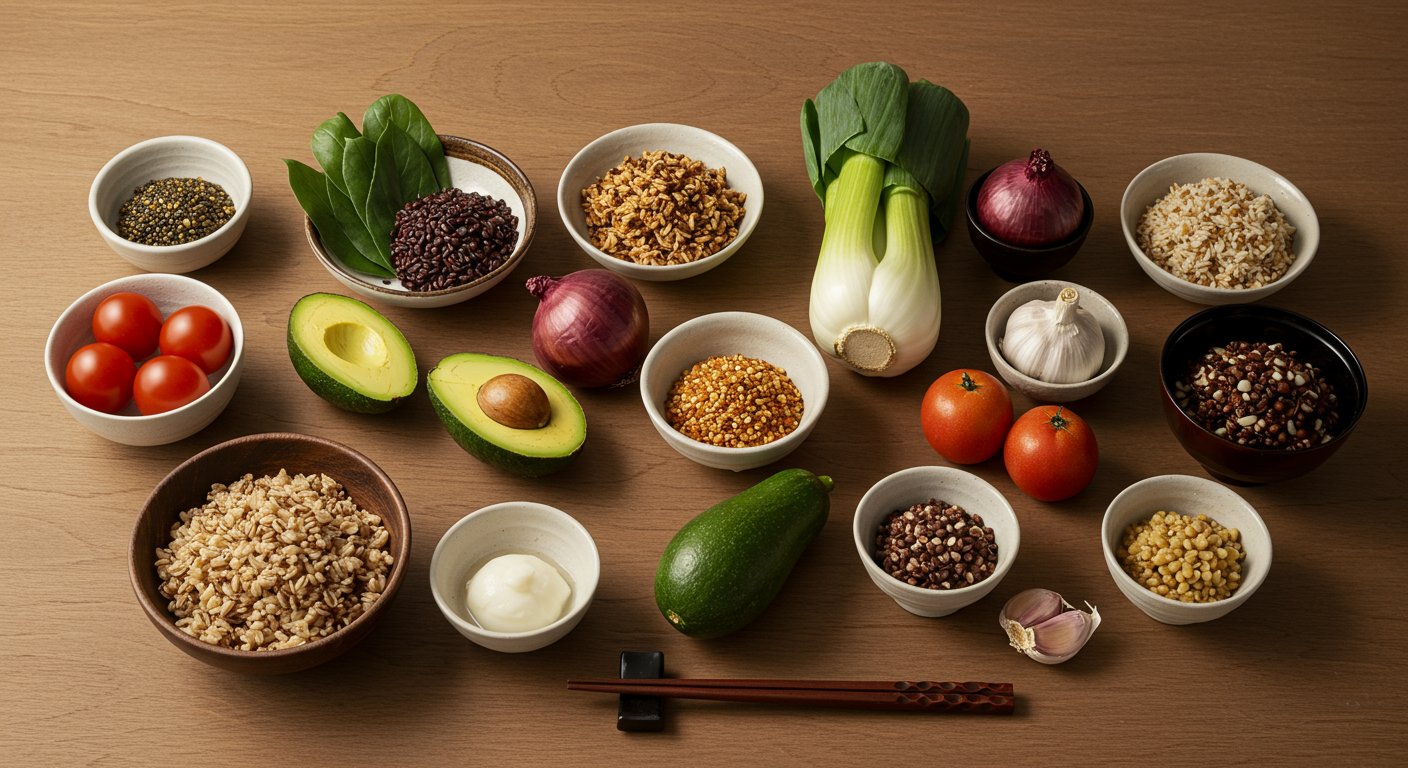
Jainism's teaching of "ahimsa" (non-violence) calls for thorough non-harming that extends even to the microbial level. For this reason, root vegetables (potatoes, carrots, onions, garlic, etc.) are avoided, since harvesting them kills organisms in the soil. Fermented foods also tend to be avoided, as fermentation involves the growth and death of microorganisms. Many believers also refrain from eating after sunset, since insects may get into food at night.
For businesses targeting Jains, products need to be explicitly labeled "Jain-friendly." In areas with large Jain populations, such as Mumbai and Gujarat, it is common for restaurant menus to include "Jain options."
For Japanese food manufacturers, fermented foods such as soy sauce and miso may not be suitable for Jains, but there is also an opportunity to open new markets by developing alternative products. For example, developing Japanese foods that use neither root vegetables nor fermentation could appeal to the affluent Jain segment.
Learning from Successful Examples of Religious Consideration
Let's look at examples of companies succeeding in the Indian market to learn how they put religious consideration into practice. We'll look at points worth learning from both foreign and local companies.
Oatly's Strategy

Oatly, the Swedish oat milk brand, adopted a clear strategy targeting young urban consumers when entering the Indian market. Marketing that emphasized environmental protection and health consciousness paid off, and the brand has established a presence in the plant-based milk market.
Oatly's success comes down to effectively leveraging social media and promotional activities featuring influencers popular with younger audiences. The brand also foregrounds an "honest brand story," earning trust through sincere communication.
Because plant-based milk is accepted both by Hindus, who place importance on dairy products, and by strict vegetarians, it can be rolled out across religious boundaries.
Goodmylk's Local Adaptation

Goodmylk, an Indian startup, develops products with a deep understanding of Indian consumers' tastes and everyday eating habits. It has developed a plant-based milk suited to chai (spiced milk tea), a drink traditionally beloved in India, taking a strategy of blending into the local food culture.
What stands out is the improved convenience for consumers through diverse sales channels, including affordable product lineups and enhanced online sales and subscription services. This is a good example of balancing religious considerations with adaptation to local food culture.
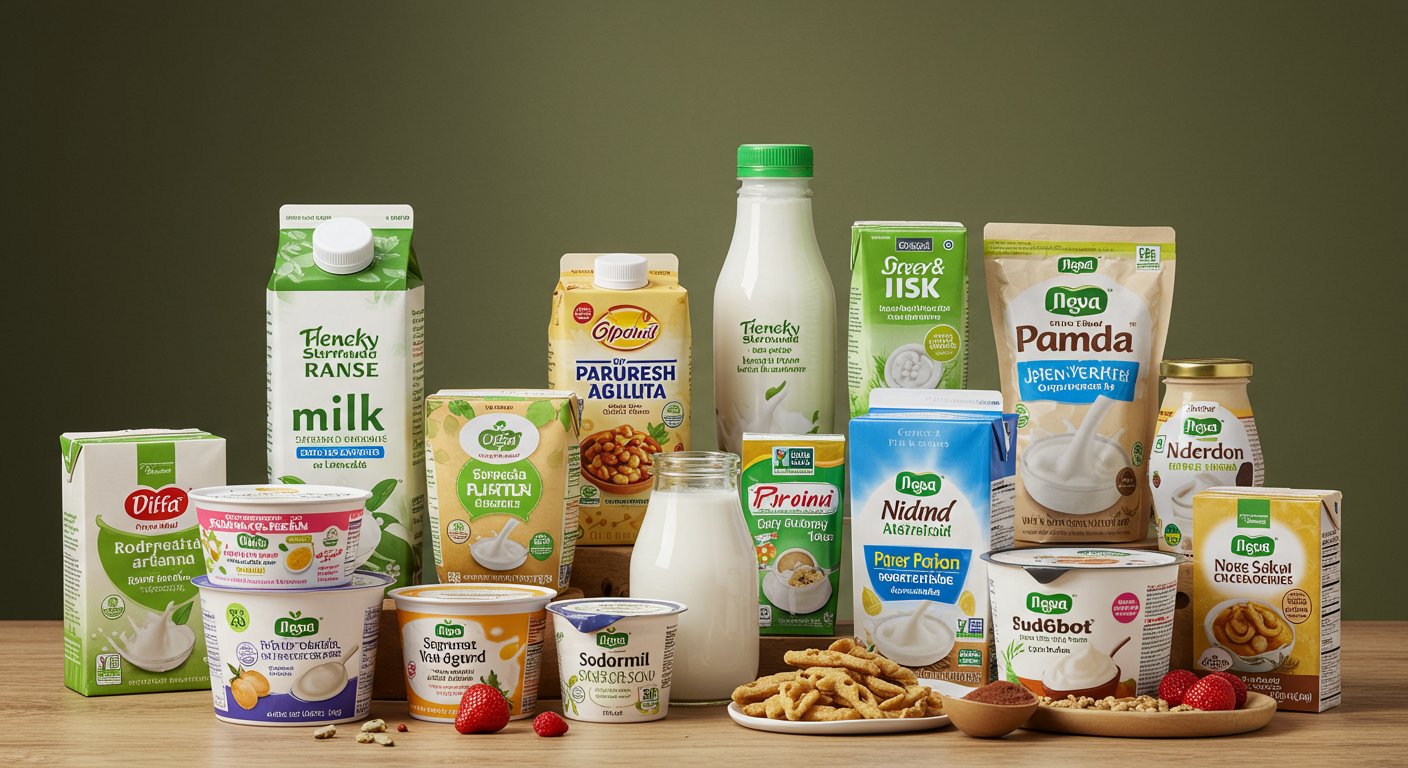
What we can learn from these success stories is a perspective that treats religious consideration not simply as a constraint, but as a new market opportunity. By similarly understanding India's religious diversity and developing products and marketing strategies adapted to it, Japanese companies too can turn this into success in this enormous market.
Practical Points for Japanese Companies Entering the Indian Market
Here are concrete practical points for Japanese companies entering the Indian food market. A strategic approach that accounts for religious considerations is the shortcut to success.
The Importance of Obtaining FSSAI Certification
To sell food in India, obtaining FSSAI (Food Safety and Standards Authority of India) certification is mandatory. This certification process can be complex and time-consuming, but working with a partner well versed in the Indian market, such as SoJapan, can help it go smoothly.
When applying for certification, it is necessary to check whether the ingredient list reflects religious considerations. For example, clearly indicating the presence or absence of animal-derived ingredients allows a vegetarian product to obtain the green mark.
Optimizing Package Design and Labeling
In India, it is legally mandatory to display a green (vegetarian) or red (non-vegetarian) mark on food packaging. Because this labeling has a major influence on consumers' purchasing decisions, it needs to be handled appropriately.
It is also preferable to describe the ingredient list in detail from a religious standpoint. For example, rather than simply writing "vegetable oil," specifying exactly which plant it comes from can help build consumer trust.
Market Validation Through Local Tasting Events
Holding local tasting events in major cities such as Delhi and Mumbai to directly gauge consumer reactions is highly effective. Getting feedback from consumer groups with different religious backgrounds in particular can improve product acceptance.
SoJapan supports the organization of such local tasting events, building a framework for reflecting consumers' real voices in product development and marketing strategy.
Strategies That Account for Regional Characteristics
Food culture and religious tendencies vary greatly by region in India. For example, states such as Gujarat and Rajasthan have a high proportion of vegetarians, while fish consumption is common in states such as Kerala and Bengal.
It is important to account for these regional characteristics and roll out products tailored to the target market. Rather than a uniform nationwide strategy, a region-by-region customized approach is key to success.
Frequently asked questions
- What is the first religious consideration to understand when rolling out food in the Indian market?
-
The starting point is grasping the food taboos and restrictions of each major religion, such as Hinduism, Islam, and Jainism. Hindus regard beef as taboo and many are vegetarian, while Muslims seek halal food and avoid pork and alcohol. Product development and marketing need to be built around an understanding of each religion's restrictions.
- How does the market segmentation between vegetarian and non-vegetarian affect business?
-
In India, it is legally mandatory to display a green (veg) or red (non-veg) mark on food packaging, which plays a decisive role in consumers' choices. Even restaurants that market themselves as Pure Veg separate everything, from cooking utensils to cooking space. It is preferable to manufacture and sell vegetarian products separately from non-vegetarian products.
- What should be given particular attention when developing food for Jains?
-
Because of Jainism's teaching of non-violence, Jains tend to avoid root vegetables (potatoes, onions, garlic, etc.) and fermented foods. As a result, fermented foods such as soy sauce and miso may not be suitable as they are. At the same time, since this is a segment with significant economic influence, developing alternative products that use neither root vegetables nor fermentation can appeal to the high-income segment.
- Can religious diversity be an opportunity rather than a constraint?
-
Like plant-based milk, products that are accepted both by Hindus, who place importance on dairy, and by strict vegetarians can be rolled out across religious boundaries. Designing products adapted to these constraints once they are understood makes it possible to reach a wide range of consumers. Viewing diversity as an opportunity is an effective mindset.
- Does food culture also vary by region within India?
-
Regional differences are significant: vegetarians are the majority in northwestern states such as Gujarat and Rajasthan. By contrast, fish and meat consumption is common in Kerala, Bengal, and Tamil Nadu, where the vegetarian share is only a few percent. Rather than a nationwide, one-size-fits-all approach, strategies need to be tailored to the characteristics of each target region.
- What practical steps are effective for entering the Indian market with religious considerations in mind?
-
At the FSSAI certification application stage, reflect religious considerations in the ingredient list and prepare to obtain the green mark for vegetarian products. Optimizing package labeling and validating the market through local tasting events in major cities are also effective. Getting feedback from consumers with different religious backgrounds can improve acceptance.
Conclusion: The New Business Opportunities Created by Religious Consideration
Religious consideration in the Indian food market may at first glance seem like a constraint on business development. However, understanding it deeply and responding appropriately can actually create new business opportunities.
With a population of more than 1.4 billion, India is an attractive market expected to keep growing significantly. In particular, as the middle class expands, demand for high-quality imported food is also rising. Japanese food is increasingly seen as healthy and safe, and with appropriate religious consideration, it holds great potential.
By partnering with a partner active on the ground in the Indian market, such as SoJapan, and receiving comprehensive support spanning FSSAI certification, local tasting events, and package design optimization, companies can lower the hurdles to entering the Indian market.
Respect India's religious diversity, and develop products and marketing strategies adapted to it, to achieve success in this enormous market.
[References and sources]
This article is based on the following publicly available information.
-WIKIPEDIA"Hinduism in India", "Islam in India", "Vegetarianism by country"
-Population Census"Jain Population in India"
MORE
Can Japanese products be placed on India's quick commerce?Will supermarkets in India stock Japanese products?Is wholesaling to India's ubiquitous kirana shops possible?Which malls in India are UNIQLO and MUJI in?Where does sales channel development in India start? How distribution works and how to choose a channelOrders placed in India do not arrive | How to find suppliers of ingredients and materials, and what to do about itSOJAPAN
We support Japanese companies entering India, from market research through local partner development, test sales, and import.