Home / Insights on entering the Indian market
Content Marketing Methods in India: 5 Keys to Success
2026.03.24
Why Content Marketing in India Is Attracting Attention
With a population of about 1.4 billion and remarkable economic growth, succeeding in business in the Indian market requires a marketing strategy suited to local conditions. Content marketing in particular is an extremely effective way to build trust with Indian consumers.
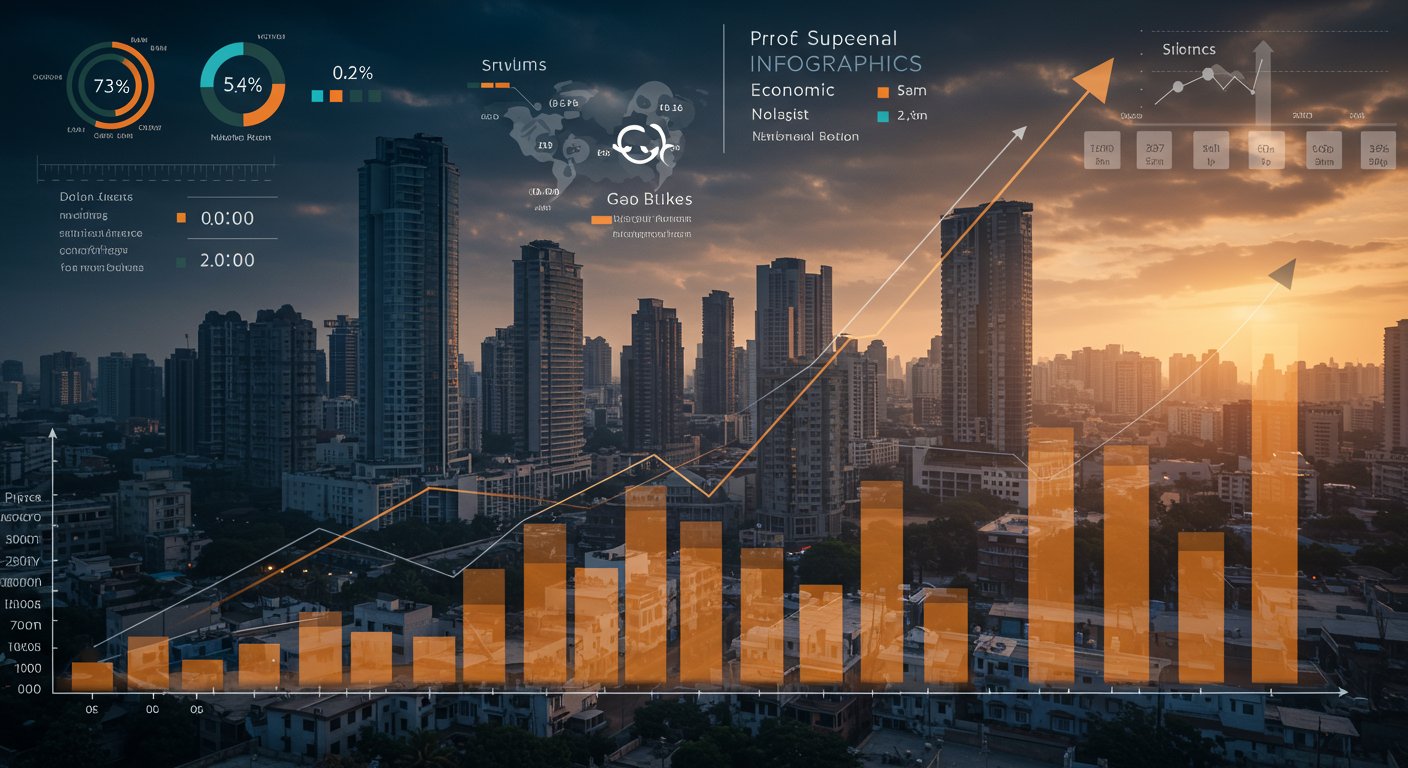
なぜ今、インドのコンテンツマーケティングが注目されているのでしょうか?それは、インドが今後さらなる市場拡大が期待される新興国だからです。2025年に日本を抜いて名目GDP世界4位となり、2028年にはドイツを抜いて3位になるとの予測もあるほどの成長力を秘めています。
Have you ever had a question like this?
"How do we get our content in front of the Indian market?"
This article introduces five keys to succeeding at content marketing in India. We'll share practical know-how for companies considering entering the Indian market.
Characteristics of the Indian Market and Consumer Behavior
The biggest characteristic of the Indian market is its diversity. It is a country with 22 official languages, hundreds of dialects, and a mix of diverse religions and cultures. Content marketing developed without understanding this diversity will have only limited effect.
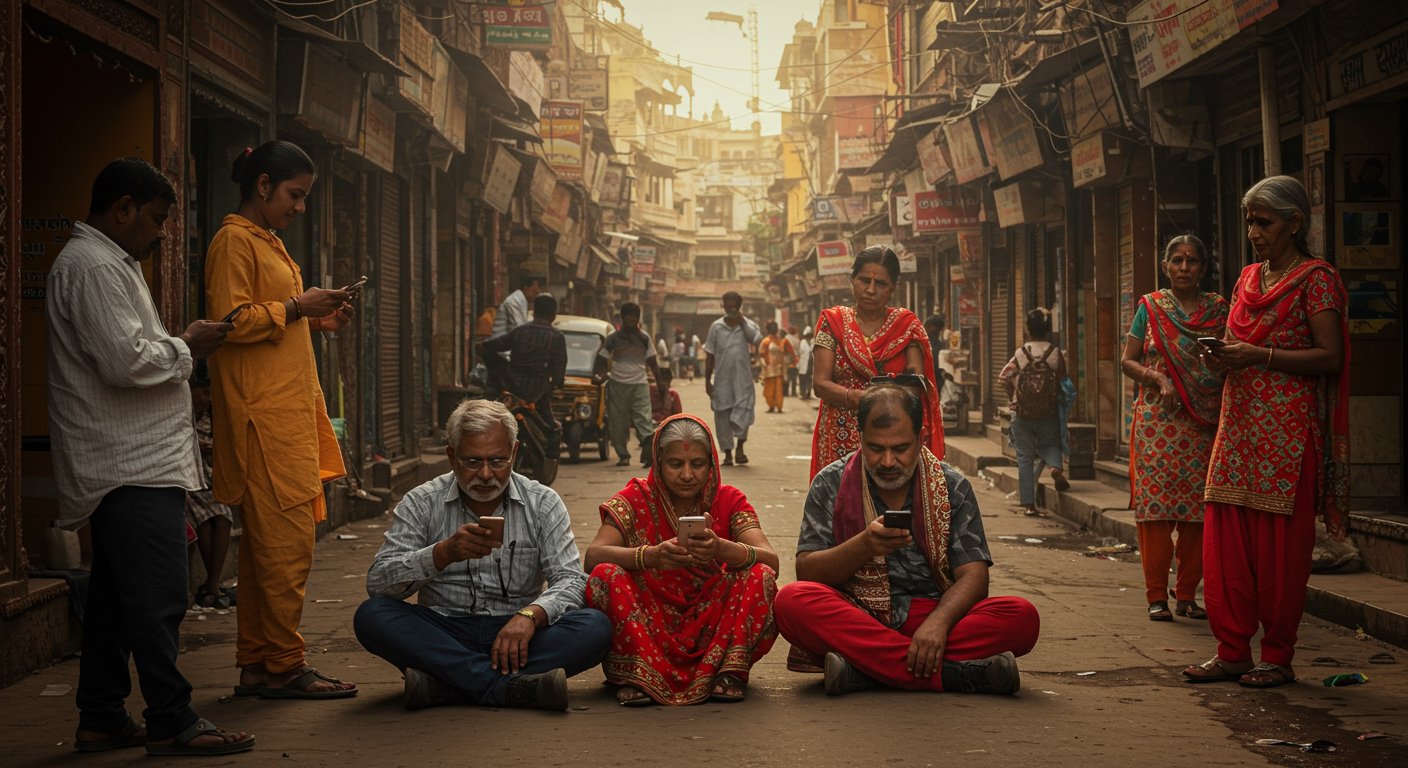
Indian consumers are eager information gatherers and tend to research thoroughly before making a purchase decision. Mobile device penetration is especially high, and consuming content via smartphones is common.
Many Japanese companies begin with the assumption that English alone will suffice for content aimed at the Indian market. However, it is common for local partners to point out that "content in Hindi and regional languages is also needed," prompting companies to rework their strategy.
What stands out in Indian consumer behavior is the strong influence of word of mouth. Recommendations from family and friends have a major impact on purchase decisions. That's why designing content that is easy to share matters.
Understanding how your brand is being talked about among Indian consumers is the starting point for designing content.
Key to Success #1: Language and Localization Strategy
The first key to succeeding at content marketing in India is the right language strategy. English is widely used in business and higher education, but reaching a wider audience requires supporting regional languages as well.
Points for Choosing the Right Language
Consider the following language strategies depending on the region and segment you are targeting:
-
For urban business professionals: English-centered content
-
For regional or general consumers: use Hindi and regional languages
-
For nationwide rollout: English plus major regional languages (Hindi, Tamil, Bengali, etc.)
What matters is localization that accounts for cultural background and region-specific expressions, not mere translation. Major Indian IT companies have succeeded in building relationships with consumers in each region by rolling out different content strategies region by region.
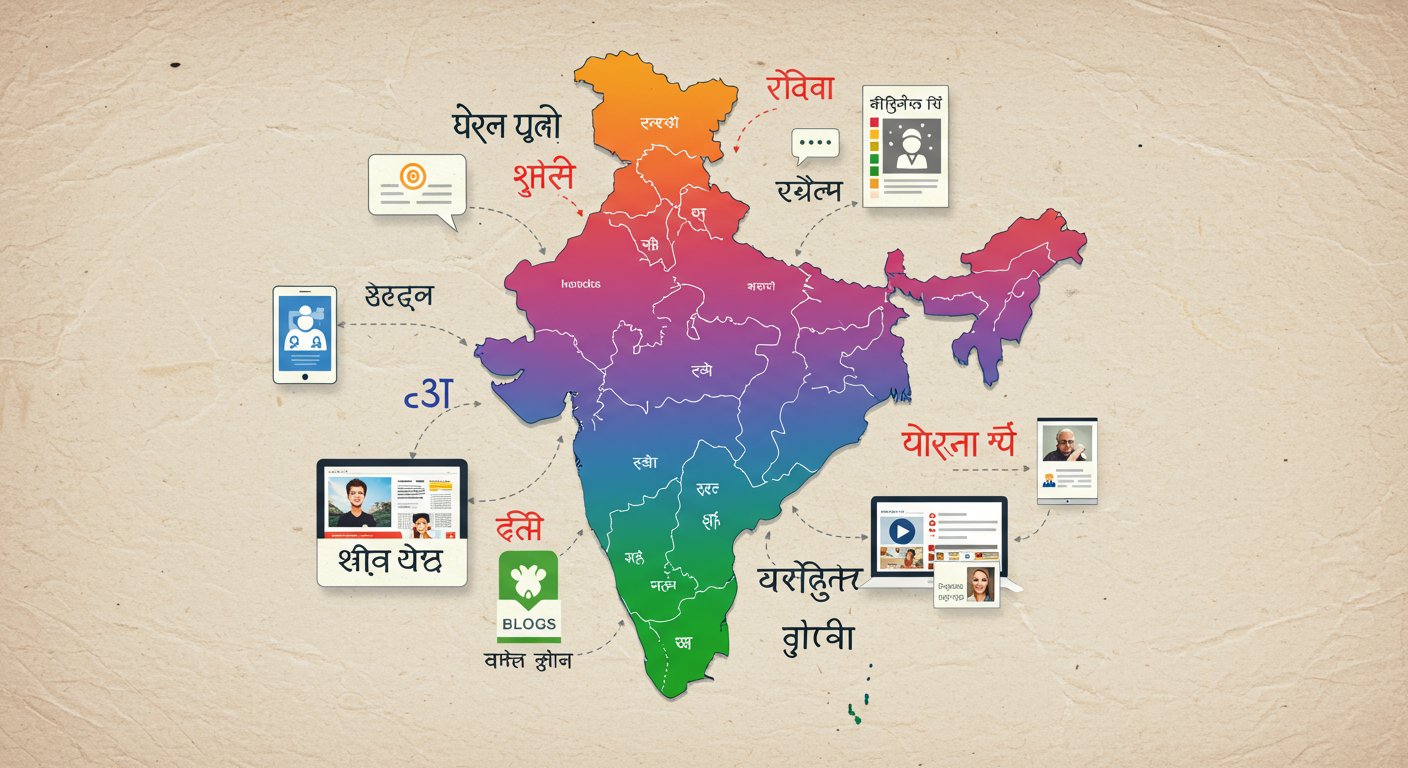
英語だけの発信を地方言語に広げると、エンゲージメント率が目に見えて変わります。言語の壁を越えることが、ブランドへの親近感に直結するためです。
Key to Success #2: Mobile-First Content Design
In India, smartphones are the main means of internet access. Mobile-first content design is therefore key to success.
Points for Mobile Optimization
-
Fast loading: lightweight design that accounts for data connectivity conditions
-
Legibility: font sizes and layouts that are easy to read even on small screens
-
Interaction: usability optimized for tapping and swiping
-
Offline capability: content design that accounts for unstable network conditions
Indian users are sensitive to data costs. As a result, content formats that deliver value while limiting data usage (text-focused, optimized images, etc.) tend to be preferred.
インドのインターネット利用はスマートフォンが中心で、読み込み速度と表示の見やすさがそのままコンバージョンに響きます。スマートフォンでのユーザー体験を最優先に考えることが、インド市場での成功につながります。
Key to Success #3: Leveraging Visual Content
Indian consumers respond strongly to visual content. Visual content that conveys information across language barriers is especially effective.
Effective Visual Content
-
Video: product demos, how-tos, storytelling
-
Infographics: visualizing complex information clearly
-
Images: visuals that are culturally appropriate and resonate emotionally

Visual content timed to Indian festivals and events generates especially high engagement. Content that incorporates the cultural background of festivals such as Diwali (the festival of lights) or Holi (the festival of colors) is effective at creating a sense of connection with local consumers.
One global brand used visuals incorporating local cultural elements in an Instagram campaign for India and achieved five times its usual engagement.
Key to Success #4: Social Media Strategy
Social media has extremely strong influence in India, and using it effectively is key to success. WhatsApp, YouTube, and Instagram usage rates are notably high.
Strategy by Platform
-
WhatsApp: community building, direct communication
-
YouTube: educational content, product demos, brand storytelling
-
Instagram: visual-focused branding, influencer collaboration
-
LinkedIn: B2B marketing, professional content
Social media users in India tend to actively share content. That makes designing content that is easy to share important. Including elements that appeal to emotion and practical information can encourage organic spread.
One thing that tends to be overlooked is the strong influence of WhatsApp groups. Information shared within family and friend groups is received with a high degree of trust.
Key to Success #5: Building Trust and Storytelling
Building trust in a brand is especially important in the Indian market. Rather than simple product promotion, sharing values and stories can build deeper relationships.
Elements of Effective Storytelling
-
Community contribution: efforts around social responsibility and sustainability
-
Brand history: founding story and trajectory of growth
-
Customer success stories: real user stories
-
Cultural empathy: understanding of and respect for India's values and traditions
Indian consumers feel a strong affinity for brands that contribute to their country's development. Communicating efforts such as local job creation, technology transfer, and support for education can build trust in a brand.
現地での技術者育成の取り組みをコンテンツとして発信することは、ブランド認知に加えて採用面でも効いてきます。「インドに技術を根づかせる企業」という位置づけが伝わるためです。
Conclusion: The Path to Content Marketing Success in India
Success in content marketing in the Indian market rests on the following five keys:
-
Language and localization strategy: multilingual support and attention to cultural background
-
Mobile-first content design: prioritizing smartphone users
-
Leveraging visual content: visual communication that crosses language barriers
-
Social media strategy: rollout that leverages the characteristics of each platform
-
Building trust and storytelling: sharing values and building deep relationships
India is not a single market but a "collection of markets" with diverse cultures, languages, and consumer segments. Understanding this diversity and taking a detailed, tailored approach leads to success in content marketing.
With a population of about 1.4 billion and further economic growth expected, the Indian market offers an opportunity to make the most of this enormous market by deploying the right content marketing strategy.
If you are considering entering the Indian market, we encourage you to use these keys as a reference for building an effective content marketing strategy.
See details of our India market entry support services here where you can also receive further specialized support.
Frequently asked questions
- Why is content marketing effective in the Indian market?
-
Because Indian consumers tend to research thoroughly before making a purchase decision, and content is effective for building trust. Smartphone penetration is high and consuming content on mobile is common, and word of mouth from family and friends carries strong influence, so designing content that is easy to share drives results.
- How should a language strategy be structured for content aimed at India?
-
A strategy of English-centered content for urban business professionals, Hindi and regional languages for regional or general consumers, and English combined with major regional languages for nationwide rollout is worth considering. What matters is localization that accounts for cultural background and region-specific expressions, not mere translation.
- Why is mobile-first content design important?
-
Because smartphones are the main means of internet access in India, and users are also sensitive to data costs. Lightweight design for fast loading, layouts that are easy to read even on small screens, and design that accounts for unstable network conditions are all required.
- Which social media platforms are most effective in India and how should they be used?
-
WhatsApp, YouTube, and Instagram stand out for their high usage rates. WhatsApp suits community building and direct communication, YouTube suits educational content and product demos, Instagram suits visual-focused branding and influencer collaboration, and LinkedIn suits B2B.
- What are the key points of storytelling that build trust with Indian consumers?
-
Elements such as community contribution, a brand's founding story, customer success stories, and respect for India's values and traditions are effective. Because Indian consumers feel an affinity for brands that contribute to their country's development, communicating efforts around local job creation, technology transfer, and support for education builds trust.
- What should a company beginning content marketing for India start with?
-
The starting point is to view India not as a single market but as a collection of markets made up of diverse cultures, languages, and consumer segments, and to clarify the target region. From there, design a detailed, tailored approach that combines the elements of language, mobile, visuals, social media, and trust building.
Reference Information
MORE
Can Japanese products be placed on India's quick commerce?Will supermarkets in India stock Japanese products?Is wholesaling to India's ubiquitous kirana shops possible?Which malls in India are UNIQLO and MUJI in?Where does sales channel development in India start? How distribution works and how to choose a channelOrders placed in India do not arrive | How to find suppliers of ingredients and materials, and what to do about itSOJAPAN
We support Japanese companies entering India, from market research through local partner development, test sales, and import.