Home / Insights on entering the Indian market
The Characteristics of SEO in India and 7 Practical Strategies for Success
2026.03.24
The characteristics of SEO in India and the market's potential
India is a vast market with a population of about 1.4 billion. Its economy is growing remarkably, and further market expansion is expected going forward. To do business in this growth market, understanding local SEO strategy is essential.
So how is SEO in India different from Japan?
India's digital environment is changing rapidly. According to statistics as of February 2025, of India's total population of 1.46 billion, about 55.3%, or 806 million people, use the internet, a rapid increase of +6.5% (about 49 million people) from the previous year. In particular, the number of social media users reached 491 million, or 33.7% of the population, a steady increase of +6.3% (about 29 million people) year over year.

Amid this rapidly growing digital environment, SEO in India has its own unique characteristics. Let's start by understanding these.
Three characteristics of SEO in India
There are three broad characteristics to understand when developing an SEO strategy in India. Grasping these enables an effective approach.
1. Linguistic and cultural diversity
India is a multilingual nation with 22 official languages. English is widely used as the language of business, but Hindi and various regional languages are also important.
When building an SEO strategy, creating content in the primary language of the target region is essential. Even for the same keyword, search volume and competitive conditions can vary greatly by language.
Cultural backgrounds also vary widely by region. Consumer behavior and preferences differ between the north and the south, so content also needs to be optimized accordingly.
This diversity is both the biggest characteristic and the biggest challenge of SEO in India.
2. A mobile-first market
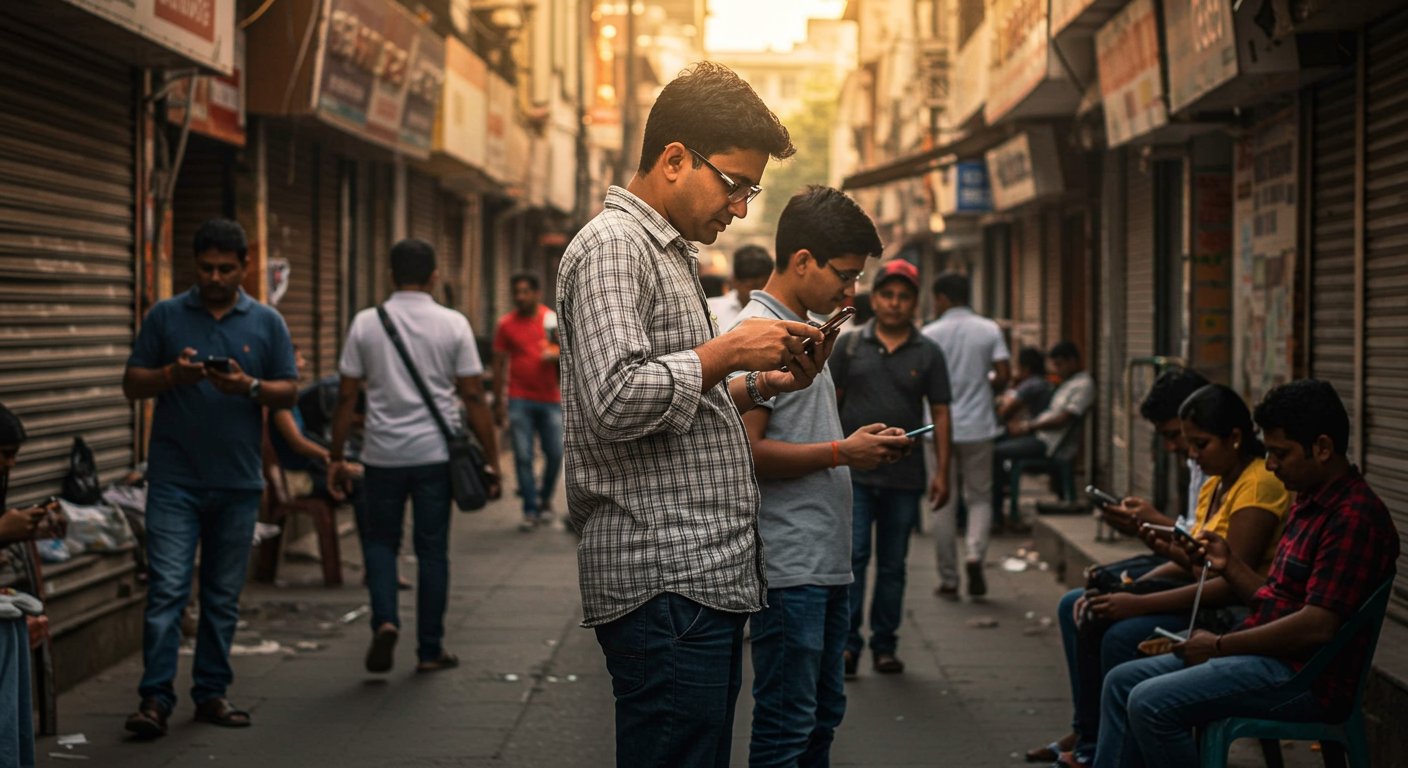
In India, internet use centered on smartphones is the mainstream. Mobile phone subscriptions total 1.12 billion, maintaining 76.6% of the population, and many users access the web from mobile devices.
For this reason, mobile support is not merely an option but a requirement. Optimizing page load speed and mobile-friendly design are the core focus areas. AMP (Accelerated Mobile Pages), once considered important, no longer carries a ranking advantage since Google removed it from the Top Stories requirements in 2021, so effort is now better directed toward improving Core Web Vitals (LCP, INP, and CLS).
India's network environment deserves particular attention. Since connection speeds are slow in many regions, lightweight, fast-loading site design is required.
3. Characteristics of search engine share
In India, Google's search engine share is overwhelmingly high, so SEO measures need to be built around Google. However, there are differences in search behavior by region and language.
Keyword strategy will likely need to differ between urban areas, where searches are more often in English, and rural areas, where searches are centered on regional languages.
Voice search is also spreading, and voice-search-friendly SEO measures are becoming important, especially for languages other than English.
In addition, Google's AI Mode was officially rolled out in India in 2025. This is changing search behavior, with an increase in more natural, conversational queries.
7 practical strategies for SEO success in India
With the characteristics of the Indian market in mind, let's look at concrete strategies. Putting the following seven strategies into practice will greatly increase the chances of SEO success in India.
1. Optimizing language strategy
In India, content needs to be provided in the language of the target region, centered on English and Hindi.
Rather than simple translation, localization that takes into account each language's cultural nuances and search habits is necessary. In particular, keyword research should be conducted separately for each language, analyzing search volume and competitive conditions.
When building a multilingual site, it is important to properly implement hreflang tags to accurately communicate the language and target region to Google.
2. Thorough mobile optimization
Since the majority of Indian users access sites from mobile, a mobile-first approach is essential.
Specifically, it is important to improve page speed through measures such as responsive design, image optimization, and lazy loading of JavaScript. Regularly check mobile scores with Google PageSpeed Insights and continue to make improvements.
The concept of "progressive enhancement," which displays only the minimum necessary elements so pages can be browsed without stress even on slow connections, is also effective.

3. Strengthening local SEO
Each region of India has its own culture and consumption tendencies. To strengthen local SEO, incorporate region-specific keywords and create region-focused content.
Registering and optimizing a Google Business Profile (renamed from Google My Business in November 2021) is essential. Keep store information, hours, photos, and reviews up to date at all times.
A content strategy aligned with regional holidays and events is also effective. Campaigns and content tied to major festivals such as Diwali and Holi increase relevance with local users.
4. Localizing content strategy
Content for the Indian market cannot rely on simple translation alone. It is important to create content aligned with local culture, values, and interests.
For example, storytelling that reflects a culture that values family bonds, and value propositions that take into account price-sensitive consumer psychology, are effective.
In addition, consumption of video content is surging in India. A visual content strategy leveraging video platforms such as YouTube and Instagram should also be considered.
Influencer marketing is also effective. Collaborating with influential local influencers can raise brand awareness and trust.
5. Optimizing technical SEO
Technical SEO measures that account for India's network environment are extremely important. Site speed optimization, structured data implementation, and sitemap optimization form the basics.
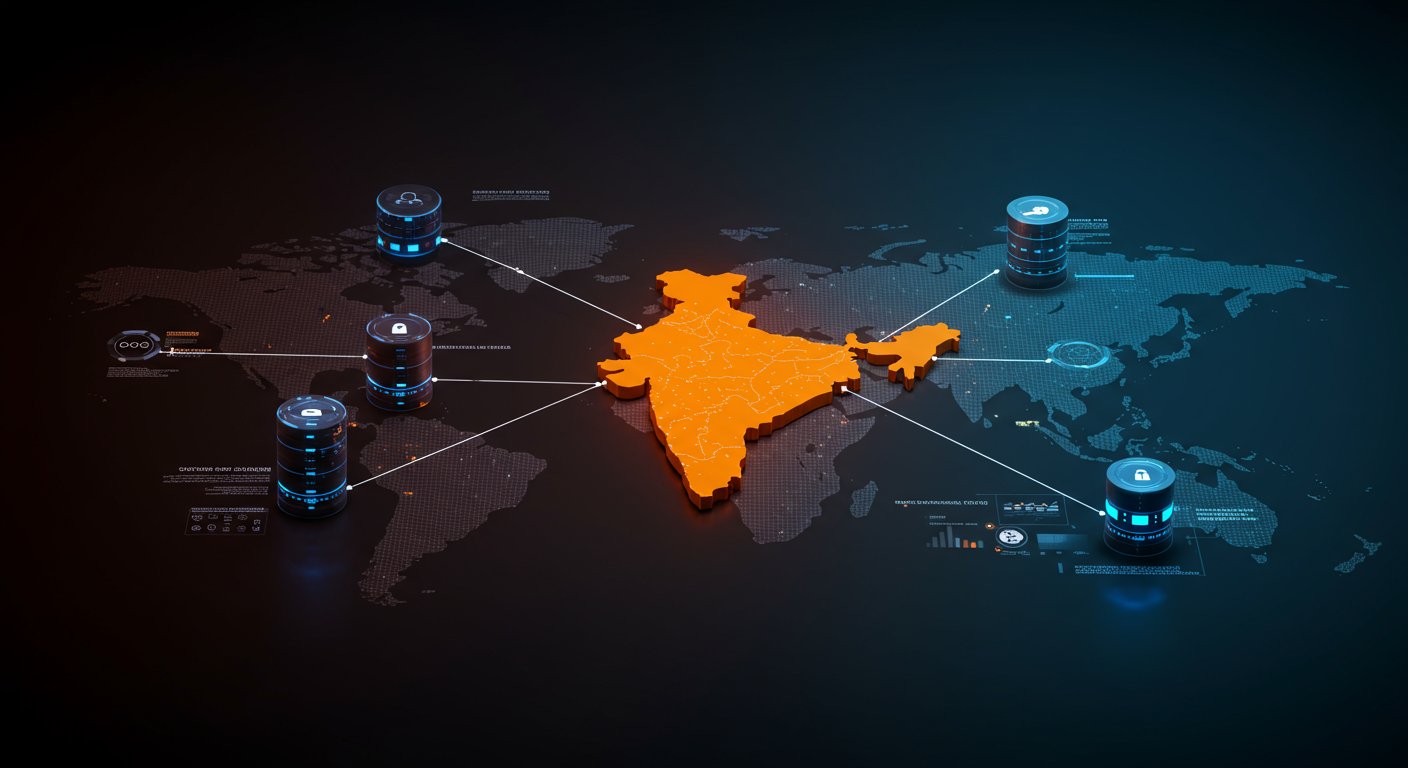
One area that deserves particular attention is the use of a CDN (content delivery network). Using a CDN with edge servers within India can significantly improve page load speed.
Adopting a PWA (Progressive Web App) is also worth considering. A PWA, which offers offline functionality and fast loading, can provide a good user experience even in unstable network environments.
6. Strengthening social media integration
Social media has an extremely strong influence in India, making coordination with SEO strategy important. According to 2025 data, the number of social media users in India reached 491 million.
In addition to major platforms such as Facebook, Instagram, and YouTube, a strategy that also considers social media platforms originating in India is necessary.
While social signals are not a direct ranking factor, they indirectly contribute to SEO by raising brand awareness, increasing site traffic, and spreading content.
In particular, optimizing share functionality, setting attractive thumbnails for social media, and implementing Open Graph tags are essential measures.
7. Data analysis and continuous optimization
Continuous data analysis and optimization are essential for SEO success in the Indian market. Use Google Analytics and Search Console to analyze the behavior patterns of Indian users in detail.
Metrics to watch closely include traffic by region, performance by device, time on page, and bounce rate. It is important to continuously improve content and technical aspects based on this data.
An approach of actively running A/B tests to scientifically verify what works best for the Indian market is also effective.
Failure cases and countermeasures in SEO in India
There are unique pitfalls in developing SEO in the Indian market. Learn from the following failure cases and countermeasures to avoid risk.
The most common failure is "relying too much on simple translation." Machine translation or literal translation alone cannot capture cultural nuances and fails to resonate with users. As a countermeasure, always have a native local speaker review and edit the content.
A "uniform strategy that ignores regional differences" is also dangerous. Language, culture, and consumer behavior vary greatly by region in India. As a countermeasure, it is important to set up personas for each target region and build a customized strategy.

"Neglecting mobile optimization" is also a serious problem. Since the majority of Indian users access sites from mobile, a design centered on PC sites results in significant lost opportunity. As a countermeasure, thoroughly adopt a mobile-first approach and regularly test the mobile display.
Furthermore, "underutilizing local hosting" is often overlooked. Hosting on servers far from India results in reduced load speed. As a countermeasure, use servers within India or the Asia region, or leverage a CDN to resolve speed issues.
Conclusion: the keys to SEO success in India
Success with SEO in the Indian market requires a deep understanding of local characteristics and a strategy built around them.
A path opens to reaching the vast market of 1.4 billion people by combining support for multiple languages and cultures, thorough mobile-first design, an understanding of regional characteristics, technical optimization, and continuous data analysis and improvement.
Most important is understanding India not as a single market, but as a composite market where diverse regions and cultures coexist. With this perspective, roll out SEO measures flexibly and strategically.
Companies considering entry into the Indian market should also consider getting support from experts. We recommend building an effective India SEO strategy together with an experienced partner.
As a first step toward success in this remarkable growth market of India, please contact our India Market Entry Support Services. Our experts will support your company's India market strategy.
Frequently asked questions
- What is the current state of India's digital environment and internet use?
-
India's number of internet users is growing rapidly, and its number of social media users and mobile phone subscriptions are also among the largest in the world. A mobile-centered digital environment is spreading.
- What are the main characteristics of SEO in India?
-
Three points stand out: linguistic and cultural diversity from a large number of official languages, a mobile-first market centered on smartphones, and a search environment where Google holds an overwhelming share. Because search language and consumer behavior differ by region, creating content in the primary language of the target region is essential.
- How should language strategy and local SEO for India be approached?
-
Provide content in the language of the target region, centered on English and Hindi, and conduct keyword research separately for each language. For multilingual sites, properly implement hreflang tags. For local SEO, registering and optimizing a Google Business Profile is essential, and content aligned with regional holidays also increases relevance.
- What technical SEO measures should account for India's network environment?
-
Improving page speed through responsive design, image optimization, and lazy loading is fundamental. Using a CDN with edge servers within India can improve load speed, and designs that account for slow connections are also effective.
- What are common failures in SEO in India, and how can they be prevented?
-
The most common failure is relying too heavily on simple translation, which is prevented by review and editing from local native speakers. A uniform strategy that ignores regional differences is also risky, so set up personas for each region. Neglecting mobile optimization also leads to lost opportunity, so address it with a thorough mobile-first approach and by using servers or a CDN in the Asia region.
- How can the results of SEO in India be continuously improved?
-
Analyze the behavior of Indian users using Google Analytics and Search Console, continuously improving based on metrics such as traffic by region, performance by device, time on page, and bounce rate. An effective approach is to run A/B tests to verify what works best for the market.
Reference Information
MORE
Can Japanese products be placed on India's quick commerce?Will supermarkets in India stock Japanese products?Is wholesaling to India's ubiquitous kirana shops possible?Which malls in India are UNIQLO and MUJI in?Where does sales channel development in India start? How distribution works and how to choose a channelOrders placed in India do not arrive | How to find suppliers of ingredients and materials, and what to do about itSOJAPAN
We support Japanese companies entering India, from market research through local partner development, test sales, and import.