Home / Insights on entering the Indian market
How India's Religious Holidays Affect Business, and How to Prepare
2026.03.24
The Diversity of India's Religious Holidays and Their Impact on Business
India is home to a variety of religions that coexist, each with its own holidays and observances. In this vast market of roughly 1.4 billion people, people from diverse religious backgrounds live side by side, including Hindus, Muslims, Christians, and Sikhs.
How does this religious diversity affect business?
Hinduism is India's largest religion, accounting for about 80% of the population, and holidays such as Diwali (the Festival of Lights) and Holi (the Festival of Colors) can bring buyer meetings and production lines to a complete halt. Ramadan (the Islamic month of fasting) and Eid (the festival marking the end of the fast) also have a major impact on business schedules.
As Japanese companies accelerate their entry into India, understanding this cultural background has become a key factor separating business success from failure.
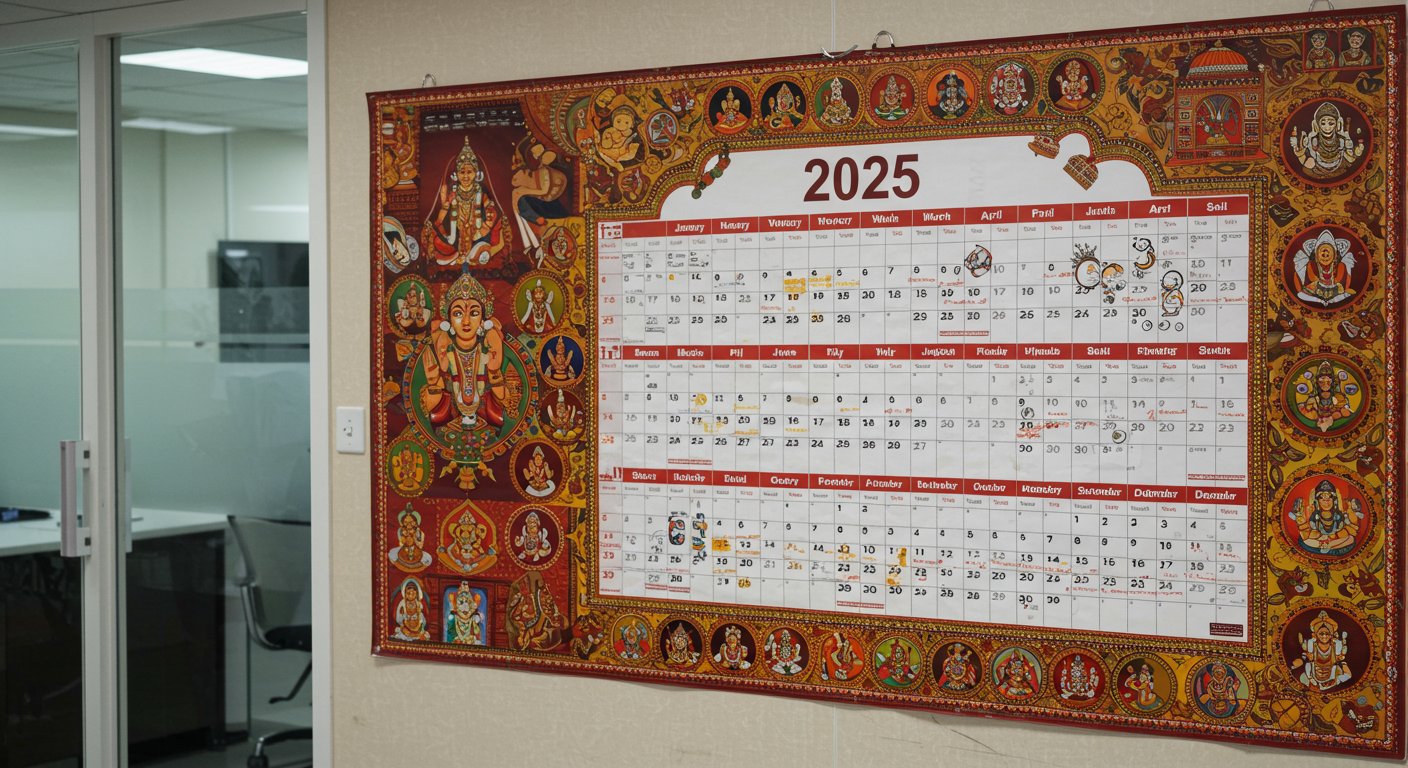
Major Religious Holidays and Their Direct Impact on Business
Religious holidays in India are not simply days off. They often last anywhere from several days to more than a week, and they have a major impact on business activity.
One period that deserves particular attention is Diwali (around October to November). During this time, many companies go on extended holiday, and trade and manufacturing effectively come to a halt. Diwali in 2026 falls on November 8, and important business meetings or delivery deadlines should be avoided around this date.
Holi (around March) is another important festival; in 2026 it fell on March 4. Known for the throwing of brightly colored powder, business activity is typically limited for several days around this date.
Ramadan, the fasting month important to Muslims, also affects business rhythms. In 2026, Ramadan ran for about a month, from mid-February to mid-March. Special consideration is needed when scheduling daytime meetings or business discussions that involve meals during this period.
Regional Differences in Holidays and Their Effect on Business Planning
India consists of 28 states and 8 union territories, each forming its own distinct cultural sphere. As a result, on top of nationwide holidays, there is the added complexity of holidays that differ from state to state.
Region-specific festivals are celebrated on a grand scale, such as Durga Puja in West Bengal and the Ganesh Festival in Maharashtra. Business activity across the entire region can shrink significantly during these periods.
Why does this happen?
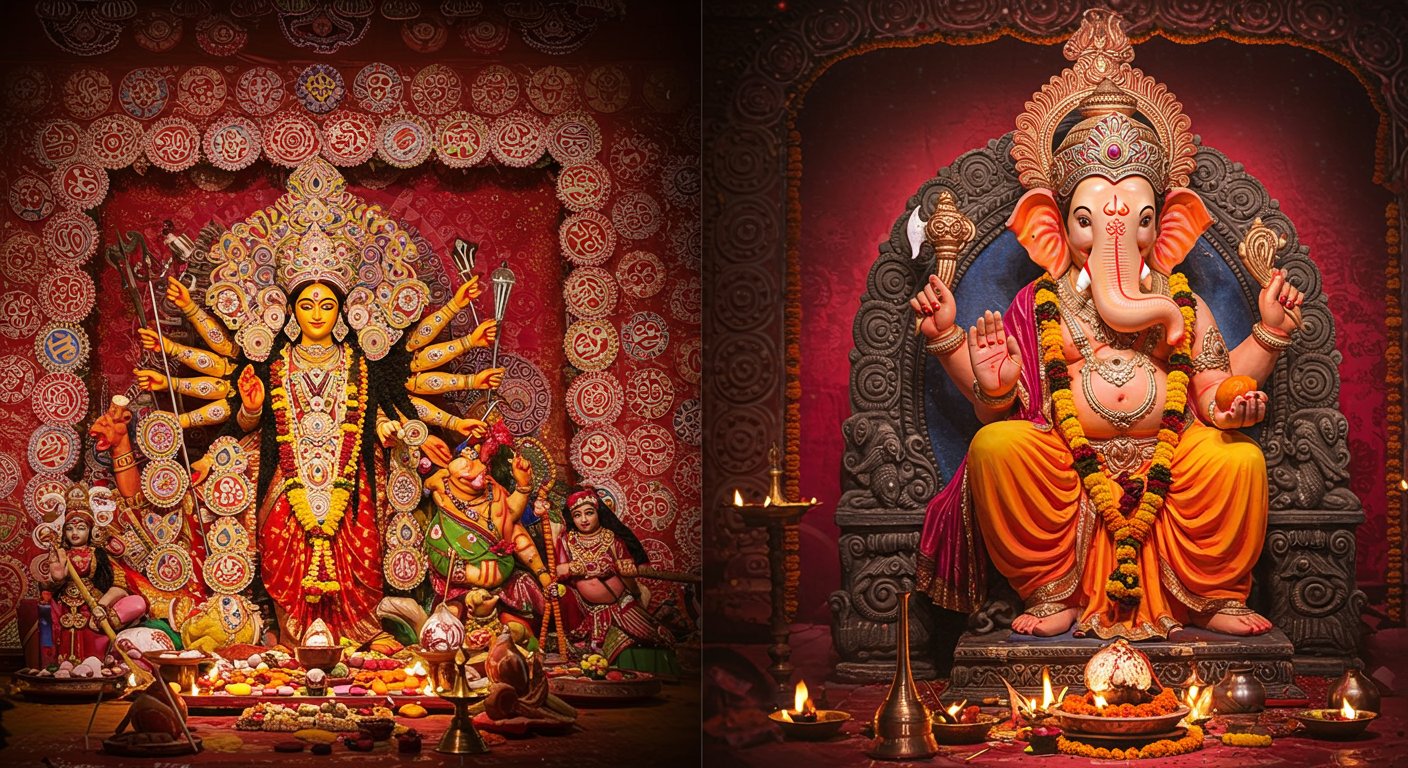
In India, religion functions not just as personal faith but as a social norm. There is a culture of valuing time with family and community during festivals, and it is common for religious observances to take priority over business.
例えば、プネーやムンバイなどマハラシュトラ州の都市では、ガネーシャ・フェスティバルの期間中(通常9月頃の10日間)、多くのビジネスが休業または縮小運営となります。2026年は9月14日から25日(ヴィサルジャン)までで、この時期のプロジェクト計画には注意が必要です。
Building a nationwide, one-size-fits-all business plan without understanding these regional differences risks unexpected delays and confusion. Companies considering entering India need to research the holiday calendar of their target region in advance and build it into their annual plans.
How Religious Holidays Affect the Supply Chain, and How to Respond
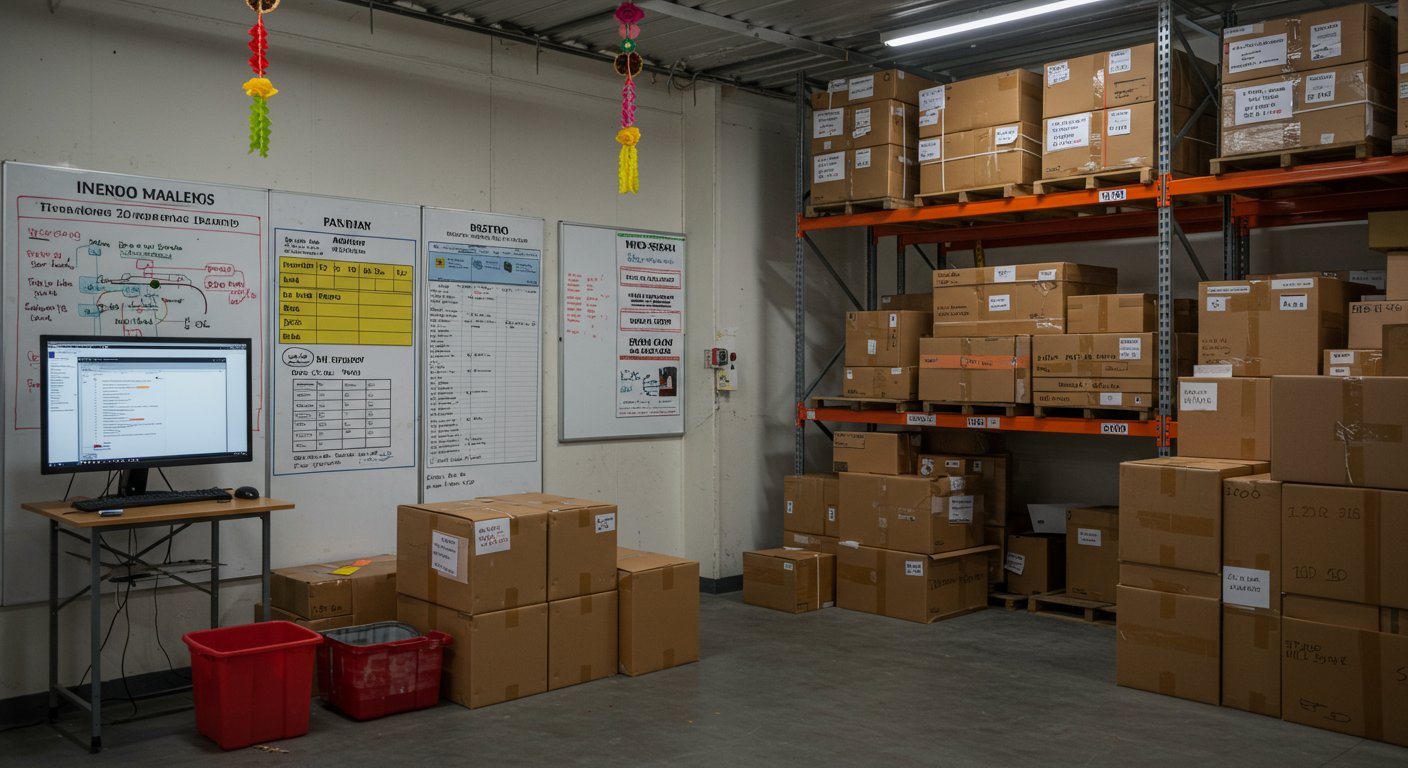
India's religious holidays ripple across the entire supply chain. In manufacturing and logistics, it is common to see reduced productivity and delivery delays around major holidays.
Periods when multiple holidays occur in succession require particular caution. For instance, from October to November, several major festivals cluster together, including Diwali, Durga Puja, and Navratri. During this time, the entire supply chain, from parts procurement to product shipment, can be affected.
Effective Countermeasures and Risk Management
To deal with this situation, companies that succeed in India take measures such as the following.
-
Building buffer inventory: Securing extra stock ahead of major holidays to reduce the risk of supply disruption
-
Securing alternative suppliers: Building relationships with suppliers from different regions and religious backgrounds
-
Production planning that accounts for holidays: Incorporating the holiday calendar into annual production plans and producing ahead of schedule
-
Flexible delivery scheduling: Spelling out the possibility of holiday-related delays in contracts with business partners
One Japanese manufacturer produces 1.5 times its normal output in the month before Diwali to prepare for the production halt during the festival. Other companies spread their operations across regions with large Muslim populations and regions with large Hindu populations, diversifying the risk of a complete operational shutdown caused by religious holidays.
Points to Consider on Religious Holidays in HR and Labor Management
When doing business in India, HR and labor management that takes employees' religious backgrounds into account is extremely important. In a country where diverse religions coexist, respecting employees' religious needs directly affects their motivation and productivity.

Designing a Flexible Leave System
Companies that succeed in India introduce flexible leave systems that accommodate religious holidays. A growing number of companies offer, in addition to holidays common to all employees, "optional holidays" based on each individual's religion.
This is a system that lets employees take leave on the holidays that matter most to them, for example Diwali for Hindus, Eid for Muslims, and Christmas for Christians. Systems like this strengthen employees' sense of belonging and help foster a corporate culture that respects diversity.
It is also important to flexibly adjust work shifts around holidays. Quite a few companies allow employees to leave early before a holiday or arrive late afterward, to accommodate festival preparations and family events.
Showing Consideration for, and Participating in, Religious Observances
Showing understanding and respect for employees' religious observances is key to building trust. Effective approaches include holding small festival events in the office and sending celebratory messages on major religious holidays.
Some Japanese companies operating in India decorate their offices during Diwali or hold in-house celebration events, fostering a sense of unity with local employees.
These efforts go beyond simple cultural consideration; they also lead to concrete business outcomes, such as improved teamwork and productivity and lower turnover.
Business Opportunities in India's Religious Holidays
India's religious holidays are not just a business obstacle; they are also a major opportunity. Particularly in consumer goods, retail, e-commerce, and marketing, strategies timed to holidays can drive sales growth.
During major festivals such as Diwali and Durga Puja, exchanging gifts and buying new items is a cultural custom. Consumer spending in India can swell to two or three times normal levels during this period, making it the biggest sales opportunity of the year for retailers.
Marketing Strategies Timed to Holidays
Companies that succeed in India run marketing campaigns timed to the religious holiday calendar. For example, "Diwali sales" are common in the one to two months before Diwali, and quite a few retailers achieve 30-40% of their annual sales during this period.
Product development and promotions that align with the cultural meaning and values of a holiday are also effective. Marketing that matches the meaning of a festival resonates well, such as family-oriented products for Diwali, which celebrates family bonds, or new product launches for Ugadi, which celebrates new beginnings.
Localization strategies timed to region-specific festivals are also important. A finely tuned approach matched to each region's major festivals is often more effective than a uniform, nationwide campaign.
Understanding India's religious holidays, respecting them, and viewing them as business opportunities will be the key to succeeding in this enormous market.
Summary: Holiday Strategies for Succeeding in the Indian Market
India's religious holidays have a major impact on business, but with the right understanding and preparation, it is possible to minimize risk and maximize opportunity.
The starting point is to thoroughly research the religious background and holiday calendar of your target region and build it into your annual business plan. For the supply chain, it is important to build in schedule margin anticipating holiday-related delays and to secure alternative arrangements.
On the HR and labor side, a flexible leave system and workplace environment that takes employees' religious backgrounds into account will improve motivation and productivity. Furthermore, understanding the cultural significance of holidays and running marketing strategies aligned with them can capture major business opportunities.
India, with a population of roughly 1.4 billion and remarkable economic growth, is a market where respecting cultural diversity and strategically managing the impact of religious holidays is the path to sustained success in this enormous market.
For companies considering entering the Indian market, we recommend working with experts to develop a comprehensive entry strategy that includes these cultural factors. India Market Entry Support Services our specialists, well versed in local culture and business customs, provide full support to help your company succeed in the Indian market.
Frequently asked questions
- What Impact Do India's Religious Holidays Have on Business?
-
India is home to a range of coexisting religions, including Hinduism, Islam, Christianity, and Sikhism, and buyer meetings and production lines can come to a complete halt during holidays. Hindus make up the majority of the population, and the impact of Diwali and Holi is especially large, with holidays sometimes lasting anywhere from several days to more than a week.
- Which Holidays Should You Particularly Avoid When Scheduling Meetings or Deadlines?
-
During Diwali, many companies go on extended leave and trading and manufacturing effectively come to a halt, so you should avoid scheduling important meetings or deadlines during this period. Activity is also restricted during Holi and the Islamic month of Ramadan, so particular care is needed for daytime meetings or business discussions involving meals.
- Why Is a Uniform, Nationwide Business Plan Not Enough?
-
Because India consists of numerous states and union territories, each with its own holidays. During region-specific festivals, such as Durga Puja in West Bengal or the Ganesh Festival in Maharashtra, business activity across the entire region shrinks significantly. It is essential to research the holiday calendar of your target region in advance.
- How Should You Prepare for the Supply Chain Impact of Religious Holidays?
-
It helps to build buffer inventory ahead of major holidays and to build relationships with alternative suppliers from different regions and religious backgrounds. Some companies incorporate the holiday calendar into their annual production plans and produce ahead of schedule, and spell out the possibility of holiday-related delays in their contracts. Periods when multiple festivals cluster together require particular attention.
- What Approaches Are There to Labor Management That Accounts for Employees' Religious Backgrounds?
-
A growing number of companies offer optional holidays based on each individual's religion, in addition to common holidays. Flexibly adjusting work shifts around holidays, and fostering a sense of unity with local employees through office decorations and in-house celebration events, also leads to outcomes such as lower turnover.
- How Can You Turn Religious Holidays into a Business Opportunity?
-
During Diwali and Durga Puja, exchanging gifts and making new purchases is a cultural custom, and consumer spending swells significantly. Product development and promotions aligned with the cultural meaning of the holiday, and localization strategies matched to each region's major festivals, are effective. Messaging that respects the meaning of the festival resonates well.
Reference Information
MORE
Can Japanese products be placed on India's quick commerce?Will supermarkets in India stock Japanese products?Is wholesaling to India's ubiquitous kirana shops possible?Which malls in India are UNIQLO and MUJI in?Where does sales channel development in India start? How distribution works and how to choose a channelOrders placed in India do not arrive | How to find suppliers of ingredients and materials, and what to do about itSOJAPAN
We support Japanese companies entering India, from market research through local partner development, test sales, and import.