Home / Insights on entering the Indian market
Coping with Homesickness During a Posting in India | Tips for Cross-Cultural Adaptation
2026.03.24
The reality of the homesickness felt during a posting in India
Two months have passed since I was posted to India. The Christmas season is approaching and the days have started getting shorter. My jet lag has cleared and I should be getting used to life here by now, yet for some reason I've stopped being able to sleep at night.
I miss my family and friends back in Japan, get irritated by the spice-scented air filling the streets, and end each day exhausted from communicating in unfamiliar English. Nights of asking myself "why did I even come to India" keep coming.
これは、多くのインド駐在員が経験する「ホームシック」の典型的な症状です。海外赴任者のメンタルヘルスは、企業の労務管理上も見過ごせない課題として認識されています。

駐在員の間では「インドイヤイヤ期」と呼ばれる現象があります。すべてのインド的要素に嫌悪感を抱く心理状態で、程度の差はあれ多くの駐在員が通過します。
This is not simply a sign of "weakness" — it is a phenomenon shaped by a complex interplay of cultural and environmental factors.
Why is a posting in India especially prone to causing homesickness?
The reason homesickness is so common during a posting in India lies in how large the gap with Japan is. Even compared with China or Southeast Asia, the difference is stark.
First, there is an extreme shortage of places to unwind. In China and Southeast Asia, you often hear of expatriates becoming "burned out" from throwing themselves into nightlife, but in India, the opposite happens — there is often nowhere to decompress in private, and people build up so much stress that it becomes mentally unsustainable.
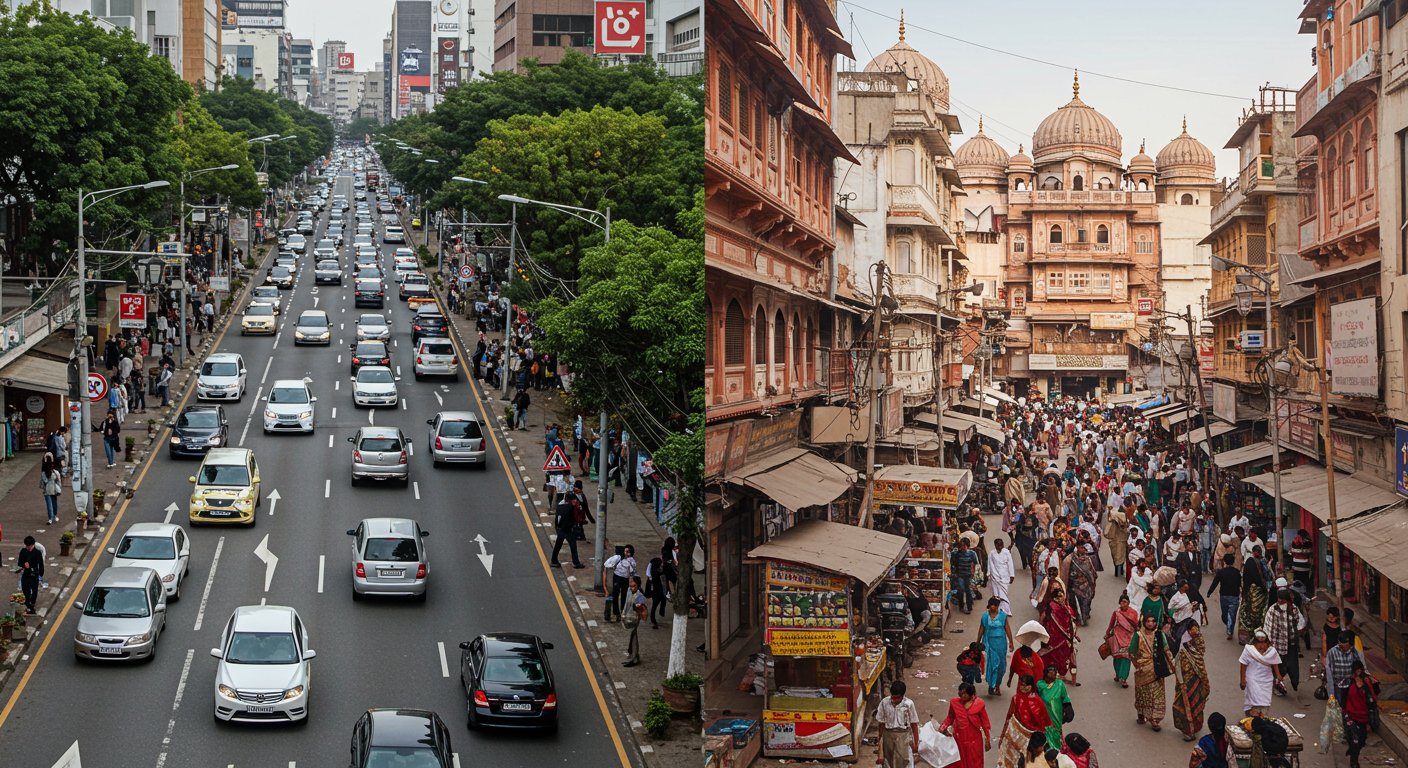
Food, air, noise, the sense of time — every aspect of daily life differs greatly from Japan. Differences in food culture in particular have a major impact on expatriates. Food choices can be limited in areas where vegetarians make up the majority, or due to religious restrictions on beef and pork.
Communication at work is also a major barrier. Even the timing of conversation, reporting, and decision-making can feel utterly "incomprehensible." Differences in how Japanese and Indian people approach work often show up, for example, as Japanese employees strictly meeting work deadlines even at the expense of their private lives, versus Indian employees naturally prioritizing family and health.
Traveling without understanding these differences increases the degree of culture shock and fuels homesickness further.
The wave of adaptation that begins with pre-departure blues
In fact, homesickness can begin even before departure — a phenomenon called "pre-departure blues." This is a state in which someone about to go abroad for an extended period suddenly feels, right before departure, "why am I even going to a foreign country? Wouldn't I be happier just staying in Japan?"
This is essentially a homesickness-like state experienced while still at home, and it is a common phenomenon shared by many people traveling abroad. It affects people heading overseas in various forms — working holidaymakers, students, JOCV volunteers, round-the-world travelers, long-term backpackers, expatriates, people in international marriages, and immigrants.
Right after an India assignment is decided, expectations tend to run ahead, and as the departure date approaches, anxiety suddenly intensifies. Many people follow this same pattern.
Coping with homesickness: practical approaches
While it is difficult to prevent homesickness entirely, there are ways to ease its effects and cope with it in a healthy way. Start by recognizing your own state.
Admitting "I am homesick" is not a sign of weakness at all. Rather, it is the first step toward self-awareness and an important step toward coping. Understand that many expatriates go through the same experience.
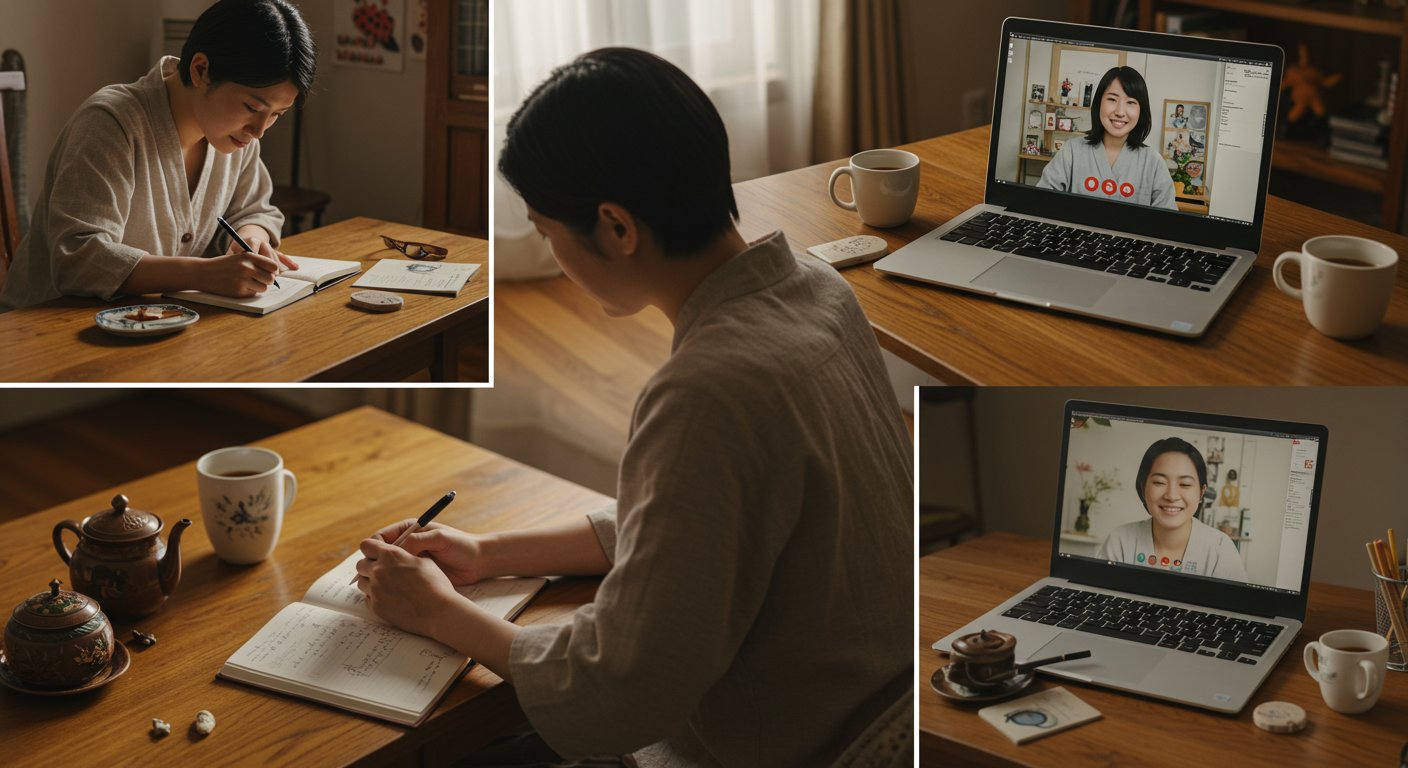
Maintain your connection with Japan
Regular video calls with family and friends in Japan can be a source of emotional support. Because of the time difference, it helps to arrange a schedule in advance. Checking in on friends in Japan through social media is also effective.
Enjoying Japanese food also matters. Japanese supermarkets and restaurants are increasing in major Indian cities. Making simple Japanese food at home is also a good idea. Many things, like instant miso soup and green tea, can be brought from Japan.
Continuing Japanese culture and customs locally helps you preserve your sense of identity. For example, you could celebrate Japanese seasonal events on a small scale, or read Japanese books and magazines.
Build a new community locally
A community of fellow Japanese expatriates in the same situation can be a great source of support. Many cities have a Japanese association that holds regular gatherings and events. Try participating actively.
Learning the local culture and language is also effective. Learning the basics of Hindi or another local language makes daily life much easier. As your understanding of Indian culture deepens, you start to understand "why things are the way they are," which reduces frustration.
Interacting with local people through hobbies or sports is also effective. Joining a yoga class or watching a cricket match might lead to new friendships.
Understanding the stages of cross-cultural adaptation
Cross-cultural adaptation is generally said to have four stages. Understanding this helps you recognize which stage you are currently in.
The first stage is the "honeymoon stage." This is a period filled with excitement and curiosity about the new culture. Everything feels fresh and appealing. You may find yourself captivated by India's vivid culture, spicy food, and kind people.
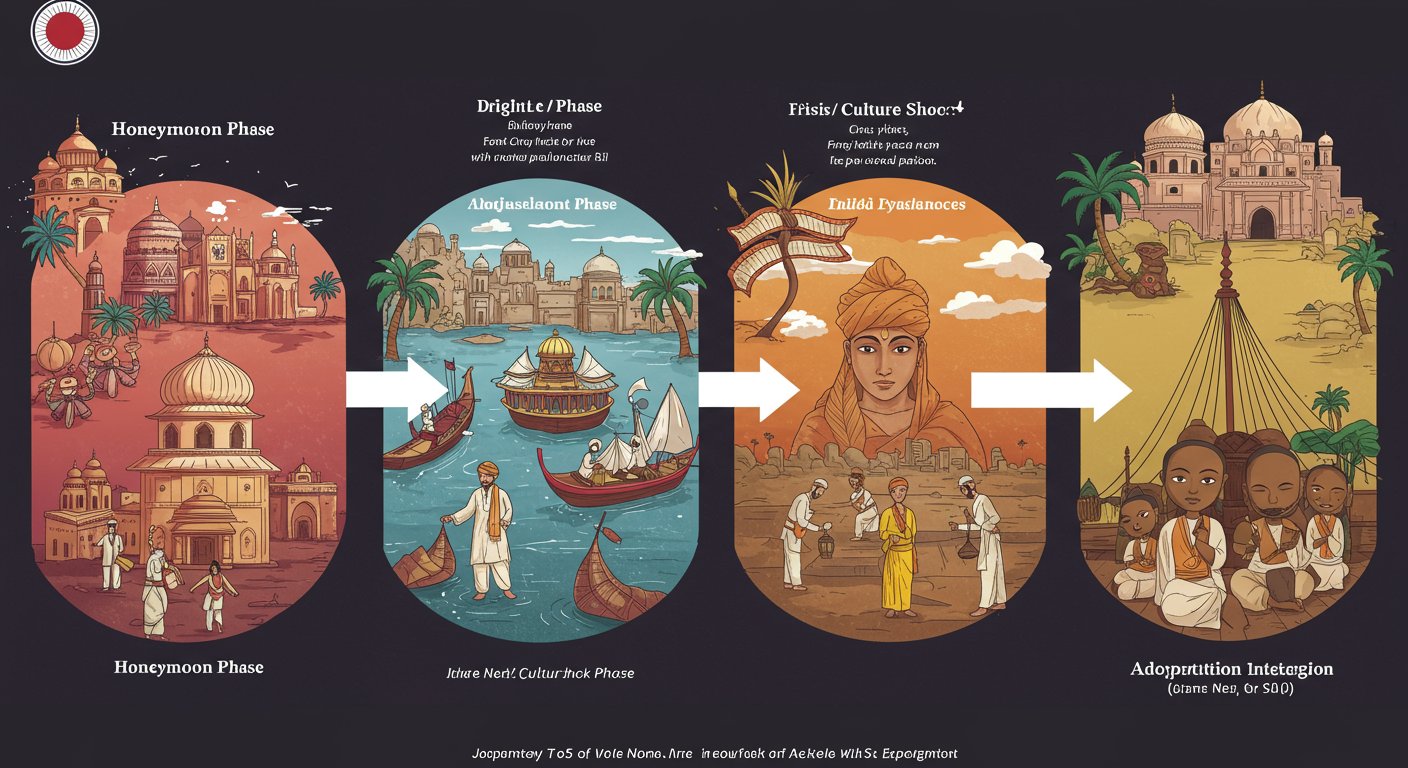
The second stage is the “culture shock phase.” This is when the differences from reality set in, and frustration, anxiety, and homesickness intensify. What might be called the “India frustration phase” falls into this stage. You may find yourself irritated by the differences from Japan, sometimes even regretting, “Why did I come to a place like this?”
The third stage is the "adaptation stage." This is when you gradually get used to the local culture and customs and begin finding ways to cope. You start being able to adjust your schedule to India's sense of time, and start being able to enjoy spicy food.
The fourth stage is the "integration stage." This is when you become able to take the best of both Japanese and Indian culture and find a balance. You start feeling comfortable with life in India and gain confidence in your own identity.
Many expatriates struggle during the second stage, but this is a path everyone goes through. It is important to take the time needed to move on to the third and fourth stages.
Prepare for reverse culture shock too
One thing that is easy to overlook is the "reverse culture shock" experienced during a temporary return to Japan or upon returning home for good. After getting used to life in India, you may feel a sense of discomfort readapting to Japanese culture and customs.
For example, you might find Japan's meticulousness and punctuality stifling, or feel disappointed that people around you show no interest in your overseas experience.
It is important to understand that this too is a normal reaction and to prepare yourself mentally in advance. Take time before returning to Japan to process your feelings and mentally prepare for resuming life there.
Mindsets for a successful posting in India
Finally, here are a few mindsets for a successful posting in India. These are lessons that many past expatriates have put into practice.
First, it is important to be flexible. You need to let go of the fixed idea that "this is how it was in Japan" and adopt an attitude of accepting the Indian way of doing things. In particular, avoid imposing Japanese standards regarding the sense of time and how work gets done.
Next, build up small successes. Being able to shop using local words, coming to enjoy Indian food, building a good relationship with local staff — celebrate these small wins and let them build your confidence.
And do not forget to take care of yourself. Avoid overexerting yourself, rest appropriately, and try not to build up too much stress. If needed, consider getting support from a professional.
A posting in India is certainly challenging, but overcoming it leads to significant personal growth. The experience of living in a different culture will broaden your horizons, increase your adaptability, and enrich your life.
Summary: overcoming homesickness and growing from it
Homesickness during a posting in India may be an unavoidable experience, but with the right coping methods and mindset, it can be overcome. Maintaining your connection with Japan while also adapting to a new environment — through that process, you too will grow.
Understanding the wave of cross-cultural adaptation and recognizing which stage you are currently in makes it easier to maintain emotional stability. And cherish your connection with fellow people going through the same experience.
The experience of living in a country as diverse as India is sure to become a valuable asset in your life.
Related Articles
- Differences in business practices between India and Japan
- Points for hiring excellent talent in India
- Pros and Cons of Entering the Indian Market
Frequently asked questions
- What is the "India blues" that many people experience during a posting in India?
-
It refers to a psychological state of feeling aversion toward things associated with India, and it is said that many expatriates in India experience it. This is not simply a sign of weakness — it is a phenomenon shaped by a complex interplay of cultural and environmental factors. Recognizing that you are homesick is the first step toward coping with it in a healthy way.
- Why is a posting in India especially prone to causing homesickness?
-
One reason is the large environmental gap with Japan and the limited number of places to unwind in private. Food, air, noise, the sense of time, and every other aspect of daily life differ, and differences in food culture in particular have a major impact. Differences in workplace communication and attitudes toward work are also a barrier.
- What are some practical ways to cope with homesickness?
-
Regular video calls with family and friends in Japan, using Japanese supermarkets and restaurants, and making simple Japanese food at home can be a source of emotional support. Participating in a Japanese association where fellow expatriates in the same situation gather is also a great source of support. Learning the basics of the local language and Indian culture deepens understanding and helps reduce frustration.
- What stages does cross-cultural adaptation go through?
-
There are generally said to be four stages: the honeymoon stage, the culture shock stage, the adaptation stage, and the integration stage. Many expatriates struggle during the culture shock stage, but this is a path everyone goes through. Recognizing which stage you are currently in makes it easier to maintain emotional stability.
- What is the reverse culture shock experienced upon returning to Japan?
-
It refers to the sense of discomfort felt when readapting to Japanese culture and customs during a temporary return or permanent move back to Japan after getting used to life in India. You might find Japan's meticulousness and punctuality stifling, or feel disappointed that people around you show no interest in your overseas experience. It is important to understand that this too is a normal reaction and to take time before returning to process your feelings.
- If a company is concerned about an expatriate's mental health, what can it do?
-
It helps to share in advance that homesickness and the India blues are experiences many people go through, and to create an environment where expatriates are not overworked and can take adequate rest. Encouraging participation in local communities such as a Japanese association, and having a system in place for professional support when needed, helps expatriates avoid isolation and adapt with greater peace of mind.
Reference Information
MORE
Can Japanese products be placed on India's quick commerce?Will supermarkets in India stock Japanese products?Is wholesaling to India's ubiquitous kirana shops possible?Which malls in India are UNIQLO and MUJI in?Where does sales channel development in India start? How distribution works and how to choose a channelOrders placed in India do not arrive | How to find suppliers of ingredients and materials, and what to do about itSOJAPAN
We support Japanese companies entering India, from market research through local partner development, test sales, and import.