Home / Insights on entering the Indian market
Characteristics of India's Apparel Market and a Guide to Successful Entry Strategies
2026.03.24
The Current State and Growth Potential of India's Apparel Market
India's apparel market is growing like never before. With a population of about 1.4 billion, this massive market has become impossible for apparel companies to ignore.
2025年のインドアパレル市場は1,095億ドル規模に達すると予測されています。過去10年間の年平均成長率は約10.2%に上り、2029年まで年率7~8%程度の成長が継続する見通しです。この規模と伸び率が、インドのアパレル市場を無視できない理由です。
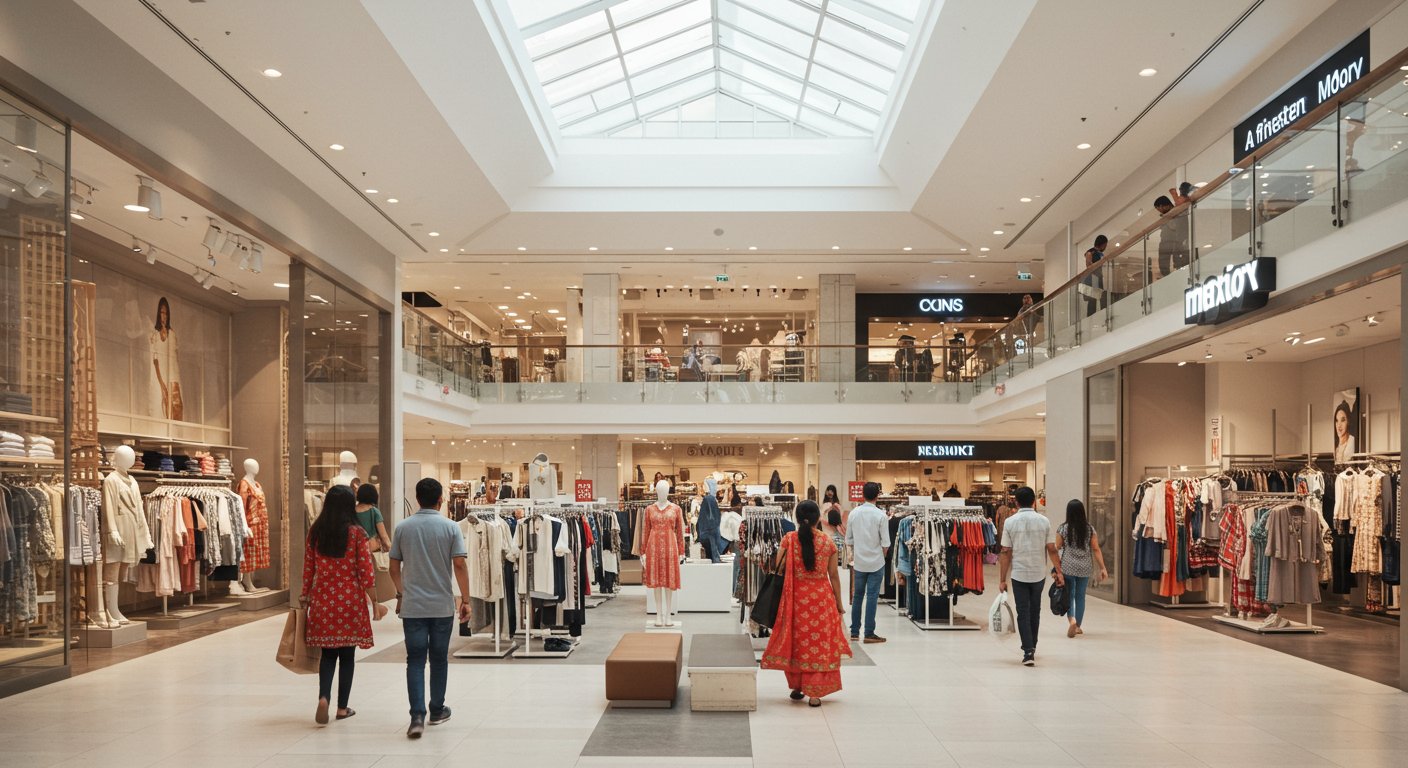
The growth is being driven by the spread of social-media-driven fast fashion, Gen Z's growing trend consciousness, and the rise of ethnic wear and premium preferences. Rising disposable income and urbanization among consumers are also pushing the market up.
Looking at the market's composition, women's apparel is the largest segment, expected to account for close to half the market at about $53.1 billion in 2025. Per capita spending on clothing is also on the rise, with estimates putting it at 3,100 rupees in 2015 climbing to 8,000 rupees by 2025.
Characteristics and Trends of Indian Consumers
Indian consumer behavior is changing rapidly. Understanding this shift, which is especially pronounced among younger consumers, will be key to market entry.
Generation Z (born from the late 1990s through the 2000s) closely follows trends on social media and tends to seek affordable, stylish, up-to-date products. At the same time, they are also showing a return to traditional culture, with a growing tendency to incorporate ethnic fashion into everyday wear.
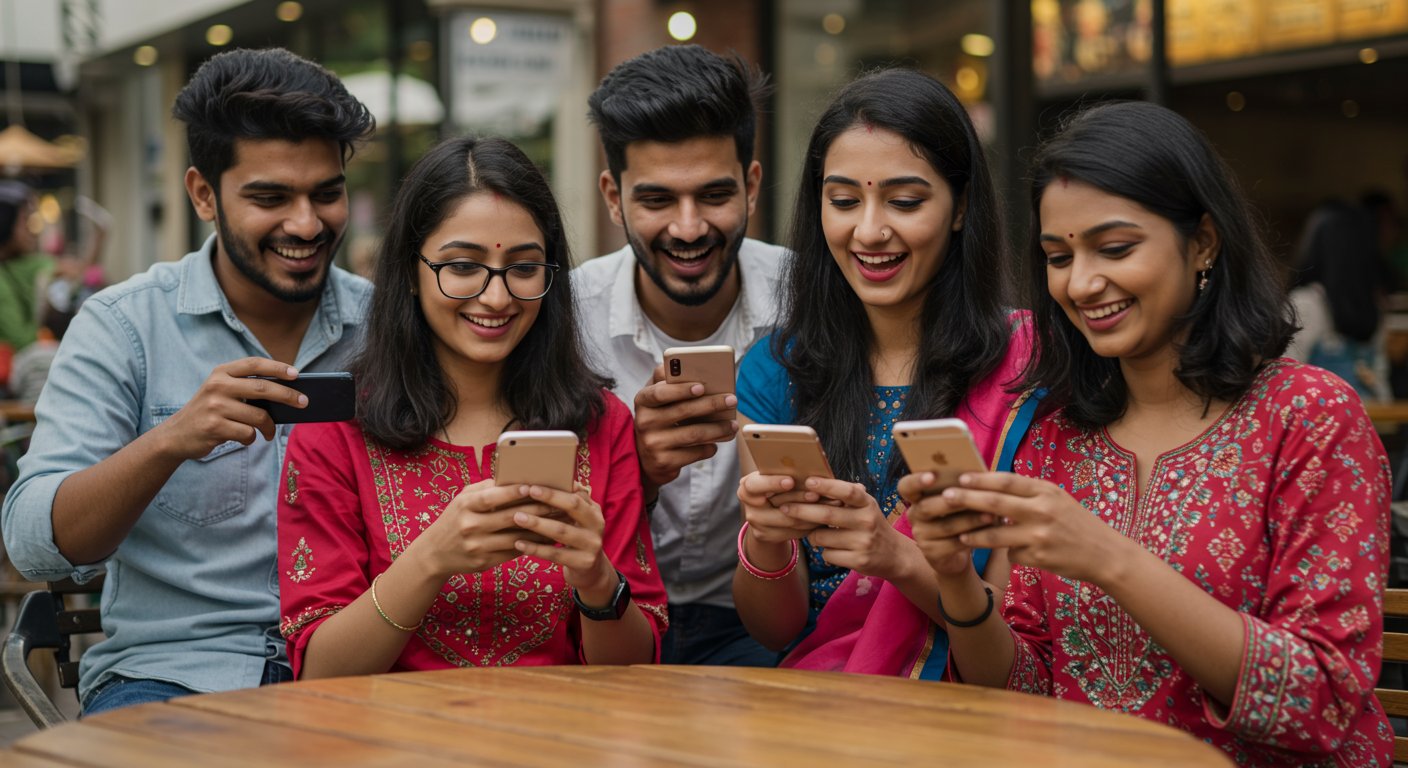
One study reports that more than 65% of Indian Gen Z consumers prefer ethnic wear or Western-fusion styles for work or special occasions. This reflects a desire to express their roots amid globalization, as well as inspiration from Bollywood and other celebrities who stylishly wear traditional garments.
Awareness of environmental and social issues is also high, especially among urban youth, and support is growing for brands that use sustainable materials and have ethical production backgrounds.
On the other hand, price sensitivity remains high in small and mid-sized cities and rural areas, where many consumers prioritize quality and cost performance over brand name. Roughly 60% of clothing retail in India as a whole is still estimated to be unorganized, meaning local, unbranded shops and markets, and many consumers will buy an unbranded product as long as it feels reasonably priced.
Deciding which segment of this diverse consumer base to target is the first fork in the road for expanding into India.
The Rapid Growth of the E-Commerce Market and the Importance of Digital Strategy
In India, backed by widespread smartphone adoption and cheap connectivity, e-commerce in the fashion sector has grown explosively. India's online fashion market was estimated at about $14 billion in 2023 and is projected to reach $63 billion by 2030.
That works out to an astonishing growth rate of 24% a year from 2023 to 2030, showing that the center of gravity of apparel distribution is rapidly shifting online.
Among India's major fashion e-commerce platforms, Myntra, a subsidiary of Flipkart, is the largest, with reports putting its group's share of the online fashion market at about 60%. That figure puts it far ahead of Amazon India and Meesho, the fast-growing low-price platform.
In fact, some studies show Flipkart holding about a 48% share of overall e-commerce across India, indicating that domestic players maintain the upper hand in the Indian market.
When building a digital strategy, marketing through social media such as Instagram is especially effective. Influencer-driven promotion and content that boosts engagement play an important role, particularly with younger consumers.
In India's apparel market, it is not uncommon for social media-driven customer acquisition to lift sales within a matter of months. A digital strategy is no longer optional, it is essential.
Key Points for a Successful India Entry Strategy
Succeeding in India's apparel market requires attention to several important points.
Thorough Market Segmentation
India is not "a single market" but a collection of diverse markets that vary greatly by region and community, from language to income level. When entering, it's essential to clearly define your target segment and build a strategy suited to it.
For example, Wacoal, a major Japanese lingerie company, entered India as a premium brand aimed at affluent consumers, building a sales network targeting wealthy customers nationwide from its base in Mumbai, India's largest city. Clear target-setting has been key to its success.
Building Local Partnerships
To navigate the complex regulations and business customs unique to the Indian market, having a trustworthy local partner is essential. Leveraging a local partner's expertise, such as securing distribution channels, complying with regulations, and gathering market intelligence, can significantly lower the barriers to entry.
When Swedish oat milk brand Oatly entered the Indian market, it partnered with a local distribution partner and rolled out a marketing strategy targeting younger consumers that emphasized environmental awareness. Their strategy, which made effective use of social media, has drawn attention as a success story in the Indian market.
A Strategy for Merging Online and Offline
In India, alongside the rapid growth of e-commerce, in-store experience is also valued. This is especially true for high-priced items or first-time purchases from a brand, where many consumers want the chance to actually see and touch the product.
Successful companies are rolling out an "omnichannel strategy" that combines building awareness online with offering in-store experiences. A digital-first approach that strategically places physical stores is effective.
Indian consumers tend to value their "relationship" with a brand. Sharing a brand story and set of values, beyond simply offering a product, leads to long-term success.
Challenges of Entering India and How to Address Them
Entering India's apparel market brings attractive opportunities but also comes with several challenges. Understanding them and taking appropriate countermeasures is the fastest path to success.
Dealing with Complex Taxes and Regulations
India's tax system and regulations are complex and can vary by state. Even after the introduction of the Goods and Services Tax (GST), operational challenges remain. Addressing this requires working with local tax and legal advisors who have specialized expertise.
Logistics Infrastructure Challenges
India's logistics infrastructure is improving rapidly, but challenges remain, especially in rural areas. Minimizing delivery delays and the risk of product damage requires choosing a reliable logistics partner and strategically placing logistics hubs.
Distributing small logistics hubs across major cities to shorten delivery times is becoming standard practice for apparel brands operating in India. Flexible approaches tailored to regional characteristics are required.
Accounting for Cultural Diversity
India consists of 28 states and 8 union territories, and language, culture, and consumer preferences vary widely by region. Rather than a single nationwide marketing strategy, an approach that accounts for regional characteristics is more effective.
For example, preferred colors and designs often differ between South India and North India, and optimizing product lineups and promotions by region can produce better results.
Conclusion: The Keys to Capturing India's Apparel Market
Given its scale and growth rate, India's apparel market holds enormous potential for apparel companies. In this massive market, projected to reach $109.5 billion by 2025, succeeding requires a deep understanding of the market's characteristics and a strategic approach.
When entering the market, clear target-setting, partnering with local players, a sales strategy that merges online and offline, and attention to regional characteristics are the keys to success.
Building a digital marketing strategy that takes advantage of the rapidly growing e-commerce market will also become increasingly important going forward.
Taking on a market as complex and diverse as India is never easy, but with the right strategy and preparation, it holds the potential for major success.
If you are considering entering the Indian market, India Market Entry Support Services Also consider making use of this option. We can help turn the potential of this 1.4 billion-person market into growth for your business.
Frequently asked questions
- How large has India's apparel market grown?
-
India's apparel market continues to expand at a high growth rate, and further growth is expected. Women's apparel is the largest segment, accounting for a large share of the market.
- What purchasing trends do Indian consumers show?
-
Gen Z follows trends on social media and looks for affordable, stylish products, while also showing a return to traditional culture through items like ethnic wear. Urban youth increasingly value sustainable materials and ethical production. In small and mid-sized cities and rural areas, many consumers remain highly price-sensitive.
- What is the state of India's fashion e-commerce market?
-
India's online fashion market is projected to grow substantially. The largest player is Myntra, a Flipkart subsidiary, which reportedly holds a high share of the online fashion market. The center of gravity for apparel distribution is rapidly shifting online.
- What are the key strategic points for succeeding in India's apparel market?
-
Because India is a collection of diverse markets that vary greatly by language and income across regions, clearly defining your target segment is essential. Having a trustworthy local partner is important for navigating complex regulations and business customs. An omnichannel strategy that combines building awareness via e-commerce with offering in-store experiences is also effective.
- What challenges are commonly faced when entering India?
-
Dealing with complex taxes and regulations is one, making it essential to work with local tax and legal advisors who have specialized expertise. Logistics infrastructure remains a challenge in rural areas, so choosing a reliable logistics partner is important. Since language and preferences differ by region, a rollout tailored to regional characteristics is needed.
- When considering entering India's apparel market with your own brand, what is the right first step?
-
Start by clearly defining which consumer segment to target, whether it's affluent consumers, urban youth, or price-sensitive regional buyers. From there, choose regions and channels suited to that segment and partner with a local player to handle regulations and distribution, which lowers the barrier to entry. Building in social-media-centered digital marketing early is also effective.
Reference Information
MORE
Can Japanese products be placed on India's quick commerce?Will supermarkets in India stock Japanese products?Is wholesaling to India's ubiquitous kirana shops possible?Which malls in India are UNIQLO and MUJI in?Where does sales channel development in India start? How distribution works and how to choose a channelOrders placed in India do not arrive | How to find suppliers of ingredients and materials, and what to do about itSOJAPAN
We support Japanese companies entering India, from market research through local partner development, test sales, and import.