Home / Insights on entering the Indian market
A Guide to India's Climate and Seasonal Clothing: Dressing Tips for Expats
2026.03.24
Basics of India's Climate and Choosing What to Wear
You've been assigned to a posting in India. Along with the good news, aren't you also a little anxious, wondering, "What on earth do I wear in that scorching country?"
India has a vast territory, and the climate varies greatly by region. In Delhi in the north, temperatures can drop below 5°C on winter days, while Mumbai in the west is hot and humid year-round. Coping with this range of climates requires choosing clothing suited to the region and season.
What matters especially for Japanese expatriates is choosing clothing that respects local culture and customs. Due to its religious background, India is a society that is particularly sensitive about skin exposure for women.
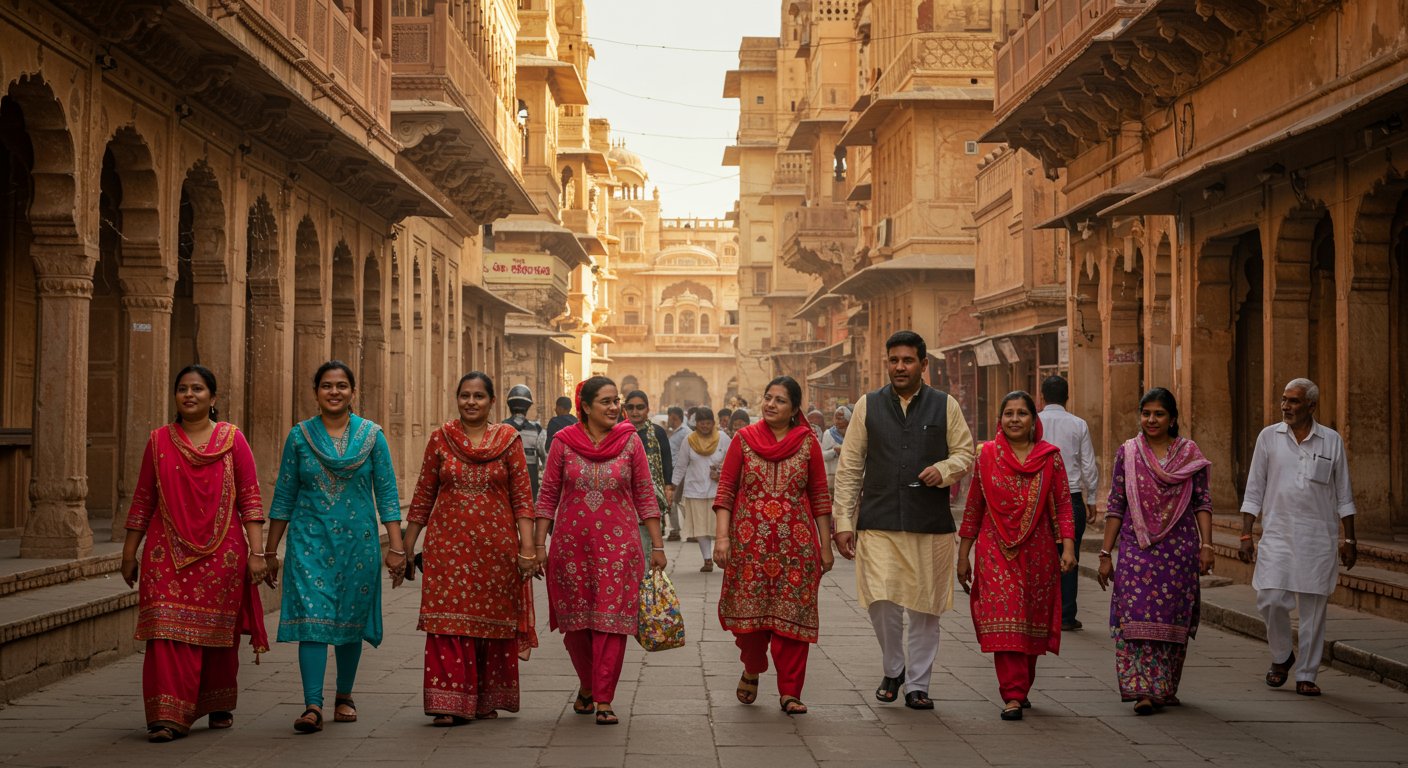
To succeed as an expatriate, you need to choose appropriate clothing for both business settings and daily life. In addition to countering heat and humidity, you also need to watch out for the temperature difference between air-conditioned offices and the outside air.
So specifically, what clothing should you prepare? Let's look at it by season and region.
India's Seasons and Climate Characteristics
India's climate is broadly divided into three seasons. Knowing the characteristics of each makes choosing clothing for a comfortable stay much easier.
First, let's understand how India's seasons are divided. Generally, India's climate is split into three: the "hot season" (April-June), the "monsoon season" (July-September), and the "dry season" (October-March).
Characteristics of the Hot Season (April-June)
The hot season is, quite literally, the hottest time of year. In inland Delhi in particular, daytime temperatures exceeding 40°C are not unusual. Sunlight is very strong during this period, while humidity is relatively low.
To protect yourself from the scorching daytime heat, light, breathable clothing is essential.
Surprisingly, though, stepping into the shade can feel cool. A thin, well-ventilated long-sleeve shirt helps protect your skin from the strong sun.
Characteristics of the Monsoon Season (July-September)
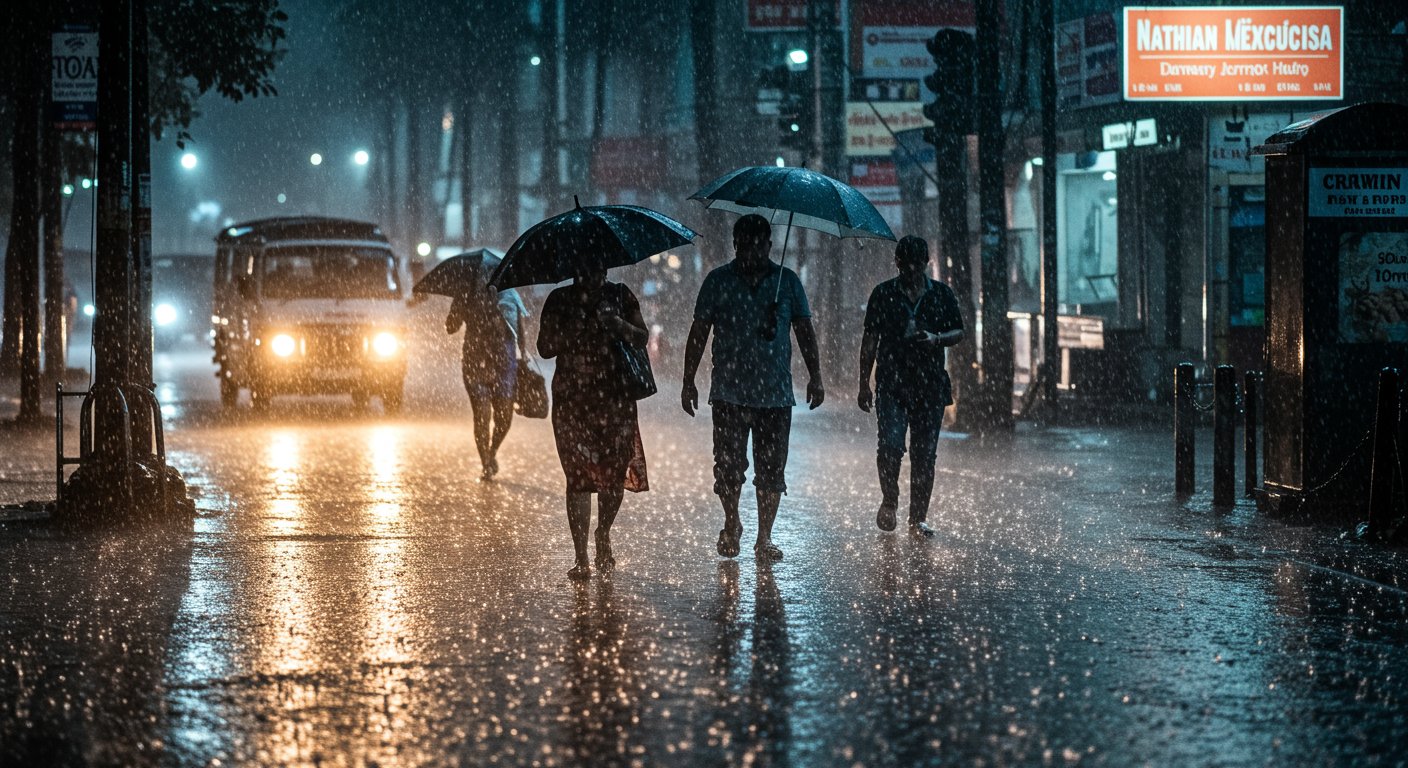
During the monsoon season, humidity shoots up due to the monsoon's influence. This period is marked by muggy heat, with sudden, squall-like downpours common.
In Mumbai in the west especially, a single squall can dump so much rain that an umbrella is practically useless. Kolkata in the east is another region with high humidity and severe muggy heat.
Characteristics of the Dry Season (October-March)
The dry season is the most comfortable time of year in many regions. November through February in particular is said to be the best season for traveling in India. Mornings and evenings turn quite cold in the north, and in Delhi, the low can drop below 5°C in December and January.
In Mumbai in the west and Chennai in the south, on the other hand, daytime temperatures stay warm at around 30°C even during the dry season, and the temperature varies relatively little throughout the year.
Since the temperature swings a lot within a single day during this period, clothing you can layer to adjust is convenient.
A Clothing Guide by Region and Season
Here is a guide to clothing suited to each season in India's major cities. What you need can vary a lot depending on where you're posted, so use this as a reference.
Clothing for Delhi (North India)
Delhi is a city with clearly defined seasons. It's scorching during the hot season and surprisingly cold in winter during the dry season.
During the hot season (April-June), light, breathable cotton or linen clothing is recommended. Daytime temperatures can exceed 40°C, so short-sleeve shirts and T-shirts are the basics. That said, it's also handy to have a thin long-sleeve shirt on hand to protect your skin from the strong sun.
The monsoon season (July-September) brings higher humidity and muggy heat. Quick-drying clothing and a foldable umbrella are essential items.
During the dry season (October-March), especially December and January, mornings and evenings get quite cold, calling for clothing similar to Japan's autumn or winter. A jacket, sweater, and in some cases even a light down coat can come in handy. Since the temperature difference between daytime and morning/evening is large, dress in layers you can adjust.
Clothing for Mumbai (West India)
Mumbai has a hot and humid climate year-round. Temperature variation is relatively small, but rainfall during the monsoon season is extremely heavy.
During the hot and dry seasons, light, breathable clothing is the basic rule. Short-sleeve shirts, T-shirts, and thin pants work well. Since temperatures don't drop much even at night, you basically don't need a heavy coat.
The monsoon season requires special care. Because monsoon rains bring heavy downpours, choose waterproof shoes and quick-drying clothing. Rain can sometimes be too heavy for an umbrella alone to handle, so it's reassuring to also have a lightweight raincoat on hand.
Clothing for Chennai and Bengaluru (South India)
Cities in South India stay warm year-round, without the seasonal swings seen in the north. Chennai in particular has high humidity, while Bengaluru's higher elevation makes for a relatively comfortable climate.
Light, breathable clothing is generally suitable year-round. Natural materials such as cotton and linen absorb sweat, making them comfortable.
Even in the south, mornings and evenings during the dry season can feel a bit chilly, so it's convenient to have something light to throw on, such as a thin cardigan.
Dress Etiquette for Business Settings
In business settings in India, formal attire is the basic rule, just as in Japan. That said, you need to adapt it to the climate.
One thing that surprises Japanese visitors to an Indian office for the first time is how cold it is indoors. Even when it's nearly 40°C outside, it's not unusual for the office to be chilled by powerful air conditioning.
Business Attire for Men
For men, a long-sleeve shirt, slacks, and a tie is the generally common combination. That said, many local companies allow going without a tie during the hot season.
Wear a suit when needed, but choose a lightweight material for the hot season. Cotton or linen suits are breathable and relatively comfortable even in muggy heat.
Offices are often heavily air-conditioned, so it's reassuring to keep a jacket or cardigan on hand.
Business Attire for Women
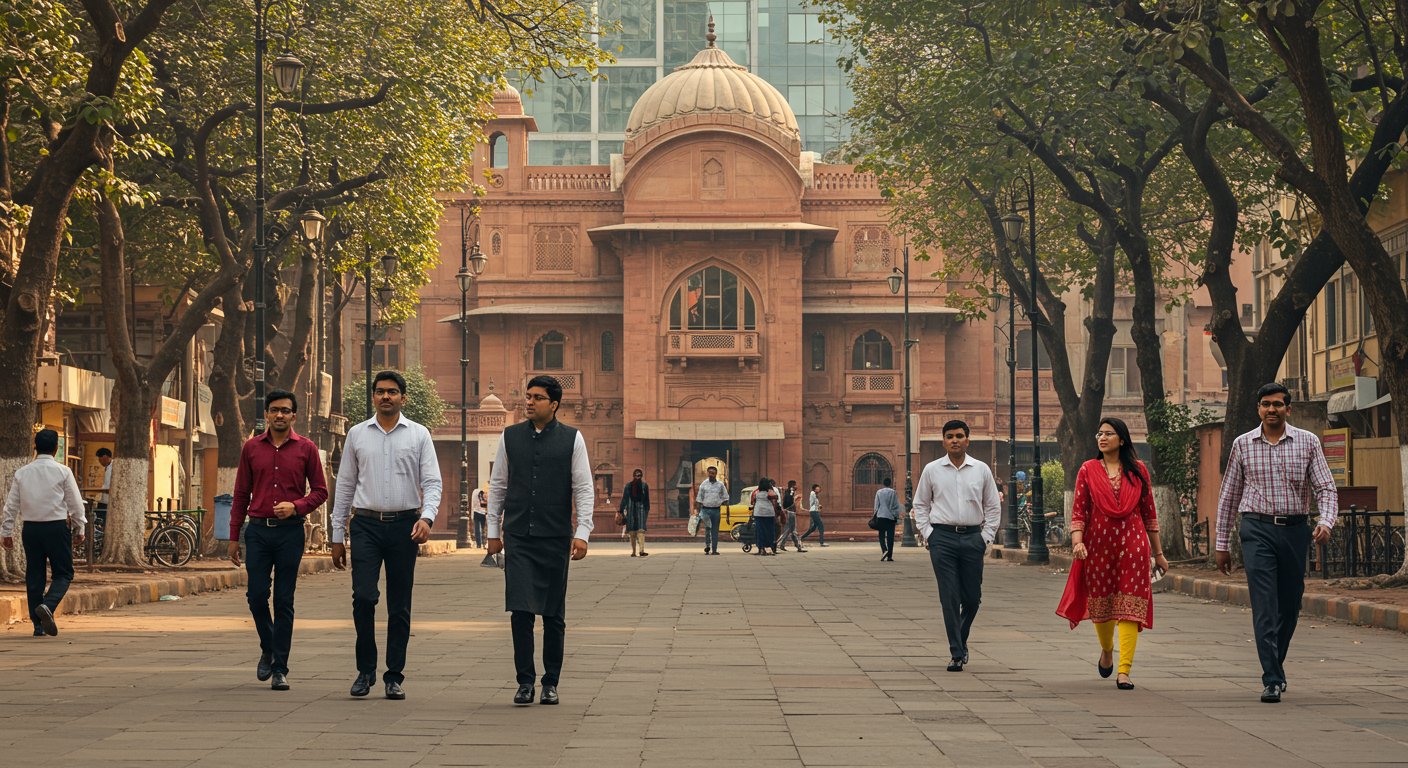
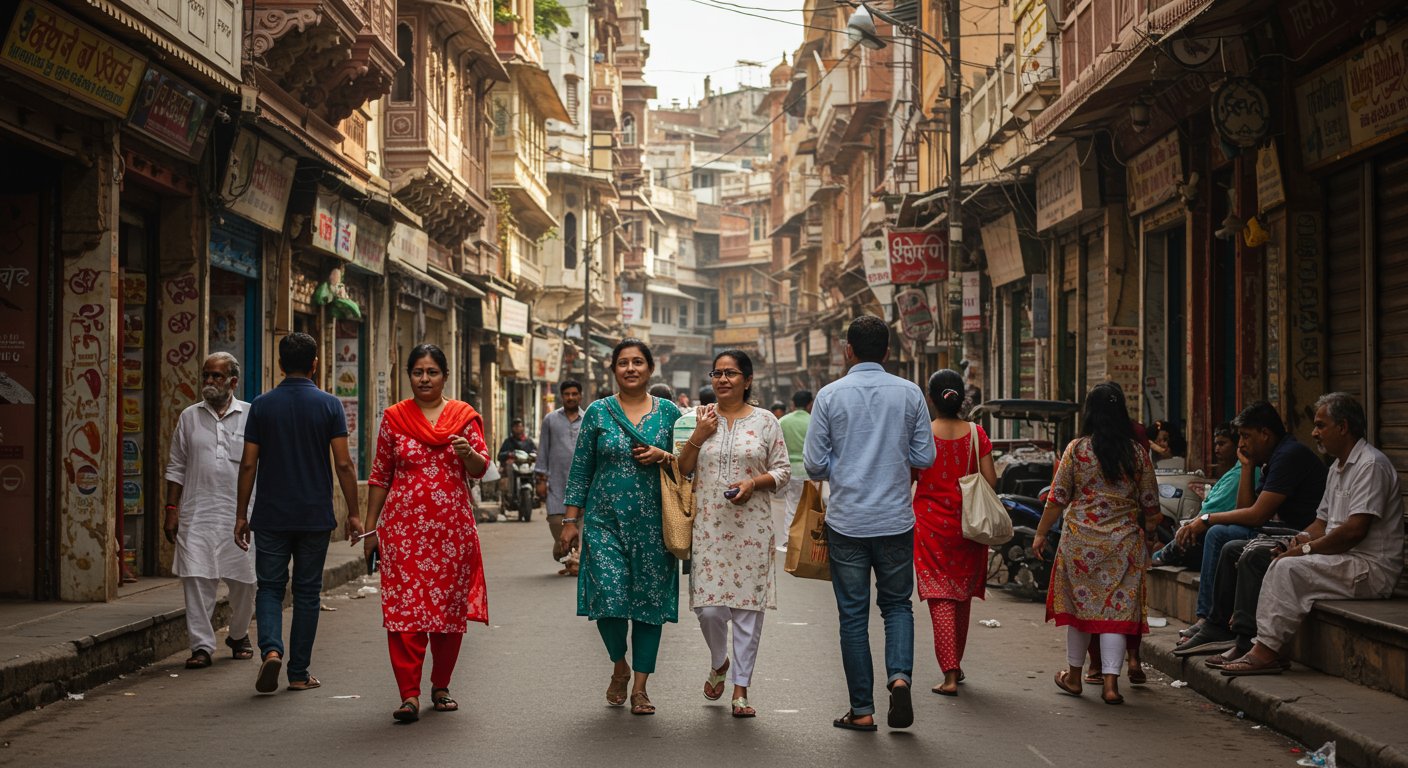
For women, in conservative business environments, clothing that limits skin exposure is preferable. A long-sleeve or three-quarter-sleeve blouse paired with a below-the-knee skirt or a pantsuit is the basic combination.
Local female employees often wear traditional clothing such as saris or salwar kameez to work, but Western-style clothing is also fine for foreign expatriates.
If you want to show respect for Indian culture, it can be nice to occasionally incorporate local styles, such as pairing a kurta (tunic) with pants.
Air-conditioned offices can feel surprisingly cold, so it's recommended to carry a cardigan or shawl with you.
Choosing Comfortable Clothing for Everyday Life
Away from the office, you can dress a bit more casually in everyday life. That said, some situations, such as visiting religious sites, call for more careful attire.
Basic Clothing for Everyday Life
For everyday life, light, breathable clothing is the basic rule. Natural materials like cotton and linen absorb sweat, keeping you comfortable even in muggy heat.
For women, it's safer to avoid clothing that shows the shoulders or knees. Loose-fitting silhouettes don't emphasize the body's shape and are a choice that also respects local culture.
For men, short-sleeve shirts, T-shirts, longer shorts, and casual pants are common. That said, it's best to avoid short shorts in certain places, such as religious sites.
Tips for Choosing Shoes
In India, you often walk on unpaved roads or through crowded markets, so choose comfortable, easy-to-walk-in shoes.
Sandals are comfortable in hot weather, but be prepared for your feet to get dusty and dirty in a dusty environment. Also, since many places, such as temples, require you to remove your shoes, sandals that are easy to slip on and off are convenient.
Waterproof shoes come in handy during the monsoon season. They are essential, especially in high-rainfall regions like Mumbai in the west.
Sun Protection and Accessories
Sunlight in India is very strong, so sun protection is essential. A hat, sunglasses, and sunscreen are must-haves.
Also, since there is a big temperature gap between air-conditioned indoor spaces and the outside air, it's handy to carry a thin cardigan or stole.
In dusty areas, people sometimes cover their mouth and nose with a mask or scarf.
Summary: Choosing Clothing for India
Choosing clothing for India requires thinking about both climate and culture. Since the climate varies greatly by region and season, you need to prepare according to your posting location.
As a general rule, choose light, breathable materials and be able to layer as needed. Especially in the north, where seasonal temperature swings are large, don't forget winter clothing too.
On the cultural side, women in particular should keep skin exposure modest and aim for clothing that respects local customs, which will help you blend smoothly into local life.
Buying clothes locally is also a good option. Indian clothing is vividly colorful and beautiful, made from materials suited to the local climate. Kurtas and tunics for women in particular are a comfortable choice well-suited to the local climate.
Choosing the right clothing is one important factor in making your posting to India comfortable. We hope this article helps enrich your life in India.
Related Articles
- Pros and Cons of Entering the Indian Market
- A guide to winning the Delhi market
- Characteristics of the Mumbai Market and Entry Strategy
Frequently asked questions
- How is India's climate divided?
-
Generally, it's divided into three: the hot season (April-June), the monsoon season (July-September), and the dry season (October-March). Temperatures are high and sunlight strong inland during the hot season, humidity rises with the monsoon during the rainy season, and the dry season is the most comfortable time of year in many regions.
- How does clothing vary by posting city?
-
In Delhi, where the seasons change distinctly, breathable clothing is needed for the hot season, and a jacket or sweater for the cold mornings and evenings of winter. In Mumbai, hot and humid year-round, light clothing is the basic rule, and waterproofing matters during the monsoon. Chennai and Bengaluru in the south stay warm, so light clothing plus something thin to throw on is convenient year-round.
- What attire is appropriate for business settings in India?
-
Formal attire is the basic rule. For men, a long-sleeve shirt with slacks is common, though going without a tie is often allowed during the hot season. For women, conservative environments call for limiting skin exposure, with long or three-quarter sleeves and below-the-knee hemlines as the basic look. Since offices are often heavily air-conditioned, it's reassuring to keep a jacket or cardigan on hand.
- Are there any cultural considerations when choosing clothing in India?
-
Due to its religious background, India is a society that is particularly sensitive about skin exposure for women. Even in everyday life, avoid clothing that shows the shoulders or knees, and a loose-fitting silhouette is the safer choice. Since many places, such as temples, require removing your shoes, footwear that's easy to slip on and off is also useful.
- What kinds of shoes and accessories should you prepare?
-
Since you often walk on unpaved roads or through crowded markets, comfortable, easy-to-walk-in shoes are the basic rule. Waterproof shoes come in handy during the monsoon season. Because sunlight is strong, a hat, sunglasses, and sunscreen are must-haves, and a thin cardigan or stole to guard against the temperature gap with air conditioning is also useful.
- Once your posting to India is confirmed, how should you go about preparing your wardrobe?
-
First, check the climate of your posting region and the season, and prepare mainly light, breathable materials that you can layer to adjust. In the north, winter temperature swings are large, so prepare winter clothing too. Local items such as kurtas are well-suited to the climate and richly colorful, so buying them locally and incorporating them is also a comfortable, practical choice.
Reference Information
MORE
Can Japanese products be placed on India's quick commerce?Will supermarkets in India stock Japanese products?Is wholesaling to India's ubiquitous kirana shops possible?Which malls in India are UNIQLO and MUJI in?Where does sales channel development in India start? How distribution works and how to choose a channelOrders placed in India do not arrive | How to find suppliers of ingredients and materials, and what to do about itSOJAPAN
We support Japanese companies entering India, from market research through local partner development, test sales, and import.