Home / Insights on entering the Indian market
India's Tourism Industry: Potential and Investment Opportunities, Latest Analysis
2026.03.24
The Current State and Growth Potential of India's Tourism Industry
India's tourism industry holds enormous growth potential, backed by a population of roughly 1.4 billion and a rich cultural heritage. The country offers diverse tourism resources, from ancient ruins to modern cities.
人口約14億人を抱え、経済成長が著しいインドは、観光業においても今後の発展が期待される新興国です。大阪・関西万博へのインドの公式出展など、国際的なイベントを通じた交流の積み重ねが、市場拡大の下地になっています。
The number of foreign tourists visiting India is recovering to pre-pandemic levels and is expected to keep rising. Domestic tourism is also thriving, with the domestic travel market growing rapidly alongside the expanding middle class.
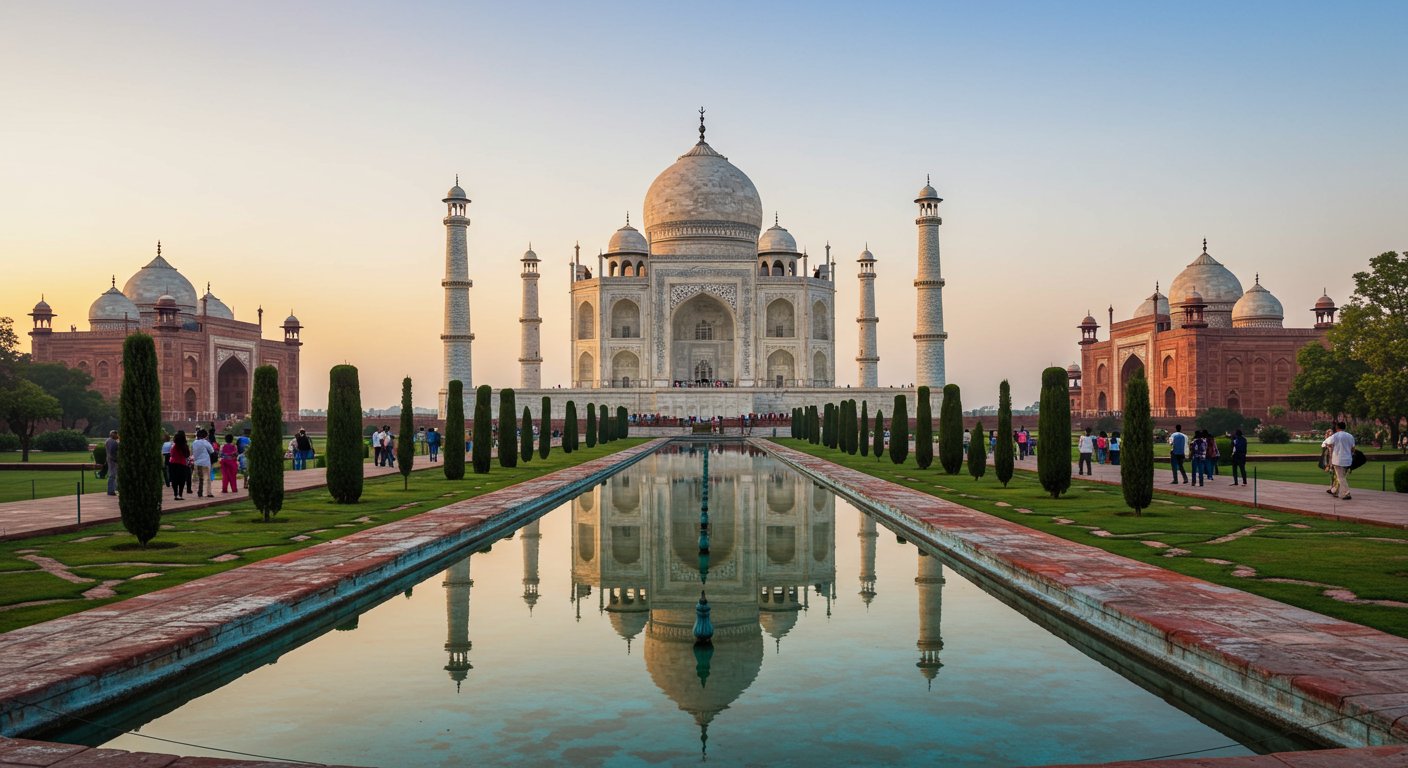
One factor supporting the growth of tourism is the progress of infrastructure development in India. The foundation for welcoming tourists is steadily strengthening, with new airport construction, expansion of existing airports, highway network development, and the entry of hotel chains.
The Indian government is also focusing on branding the country as an international tourist destination through the "Incredible India" campaign, actively promoting the country's diverse culture, historical heritage, and natural beauty to the world in order to attract foreign tourists.
Investment Opportunities and Growth Sectors in India's Tourism Industry
Investment in India's tourism industry offers opportunities across a wide range of sectors. Let's look at the areas expected to see particularly high growth.
The hotel and accommodation sector is drawing attention as the most direct investment target. Demand is rising across a wide range of accommodation types, from luxury hotels to mid-priced hotel chains and even homestays and guesthouses. As India's economy grows and the number of domestic and international tourists increases, the shortage of high-quality accommodation represents a major business opportunity.

Next is tourism technology and digital platforms. India's wave of digitalization is also reaching the tourism industry, opening up investment opportunities in technology-driven services such as online travel booking, virtual tours, and AI-powered tourist guides.
Young people in India are digital natives with high smartphone penetration, so the market for digital tourism services is expanding rapidly. Entering this field early has the potential to bring substantial returns.
Ecotourism and sustainable tourism are also emerging as growth sectors. Interest in sustainable tourism businesses that make the most of India's rich natural environment is rising, creating more investment opportunities in environmentally conscious resort development and tour operations.
Alongside rising environmental awareness worldwide, this sector is expected to grow further. It is especially popular among younger travelers and holds promise as a long-term investment target.
Cultural and heritage tourism is another investment area not to be overlooked. This includes tourism businesses that make use of India's rich cultural heritage, such as converting historic buildings into hotels, offering traditional craft experience tours, and hosting cultural events.
Challenges and Investment Risks in India's Tourism Industry
While investing in India's tourism industry holds great potential, it also comes with a number of challenges and risks. Success requires fully understanding these factors and taking appropriate countermeasures.
Infrastructure remains a major issue. In some areas, transportation infrastructure connecting major tourist destinations is inadequate, making access to certain regional attractions difficult. Basic infrastructure challenges, such as unstable power supply, water quality issues, and waste management, can also become barriers to investment.
The complexity of bureaucratic procedures that can arise when doing business in India should not be overlooked. Obtaining permits and licenses can take time, and regulations that vary by region can hinder smooth business development.
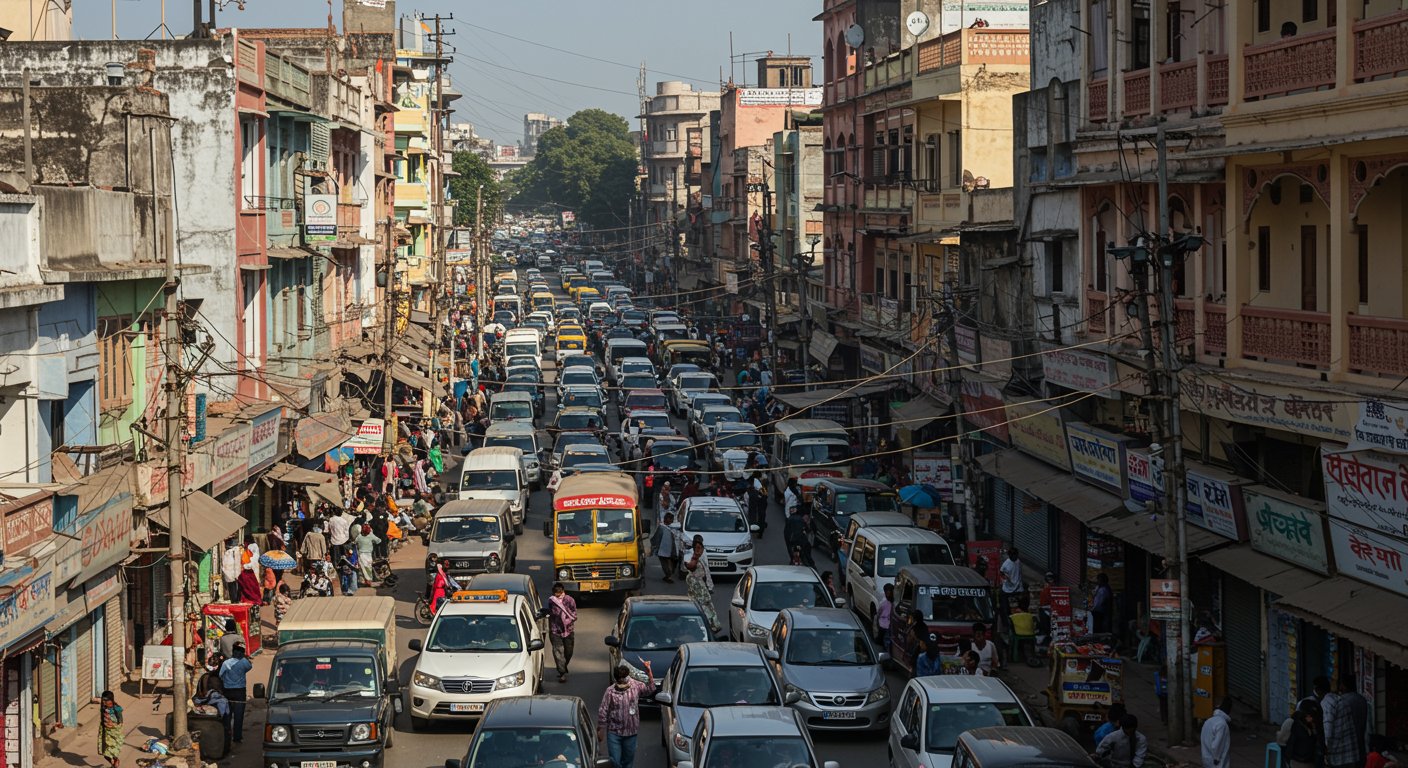
Market uncertainty is another investment risk. Tourism is an industry that is highly sensitive to external factors, including seasonal fluctuations in tourist numbers, political and economic instability, and changes in international travel trends.
Partnering with local partners is an effective strategy for addressing these challenges. Finding a partner well versed in India's business environment can help you navigate complex regulations and cultural differences.
Taking a long-term view is also important. Success in the Indian market is rarely achieved overnight, and it requires building sustained relationships and taking a phased approach to investment.
When investing in India's tourism industry, business plans need to account for seasonal fluctuations, state-by-state regulations, and how to absorb the impact of disease outbreaks and security conditions.
It is also worth considering a diversified investment strategy to spread risk. Rather than concentrating on a single project or region, diversifying investment across multiple tourism sectors and regions can help reduce risk.
Case Studies and Strategies of Japanese Companies Entering India's Tourism Industry
Japanese companies entering India's tourism industry are drawing attention as part of efforts to strengthen economic ties between the two countries. Let's look at some effective strategies drawn from successful examples.
In the hotel industry, Japanese hotel chains have entered major Indian cities and succeeded in differentiating themselves through a unique value proposition that combines Japanese-quality service with local culture. Some have found particular strength in the mid-to-upscale hotel segment targeting business travelers.
In the tourism technology field, digital solutions that leverage Japanese technological strength are being rolled out, for example AR/VR-based tourist guide apps, multilingual booking systems, and traveler services that incorporate security technology, drawing on technological advantages to enter the market.

One key strategy for Japanese companies' success has been the use of joint ventures and partnerships with local companies. By leveraging local partners' knowledge and networks to navigate India's complex business environment, they have lowered barriers to entry.
Commitment to sustainable tourism is also a strength of Japanese companies. Some have differentiated themselves by developing and operating eco-friendly tourism facilities, drawing on environmental technology and efficient resource management know-how.
The development of tourism programs that promote cultural exchange is another distinctive feature. Some companies offer unique value to tourists from both countries by providing tours and experience programs that deepen mutual understanding between Japanese and Indian culture.
For Japanese companies entering India's tourism industry, a long-term view and a phased approach are important. A strategy of gradually expanding the business while deepening market understanding leads to sustainable success.
Prospects for Japan-India Tourism Cooperation
Cooperation between Japan and India in the tourism sector is also being promoted at the government level in both countries. Efforts to increase the number of Indian visitors to Japan are underway, with investment seminars for Japan held in Mumbai and Bengaluru, strengthening economic cooperation through the tourism industry.
India also exhibited an official pavilion, "Bharat Mandap," at Expo 2025 Osaka, Kansai, held from April 13 to October 13, 2025 (operated by the Ministry of Culture). This international event has boosted tourism exchange between Japan and India, and how to carry that momentum forward is the next point to consider.
Future Outlook and Investment Strategy for India's Tourism Industry
The future of India's tourism industry will likely be shaped by three major trends: digitalization, sustainability, and deeper cultural experiences. Let's consider an investment strategy that takes these trends into account.
Digital transformation is affecting every sector of the tourism industry. Promising investment areas include technology-driven services such as AI-powered personalized travel experiences, blockchain-based secure booking and payment systems, and VR/AR virtual tourism experiences.
Sustainable tourism development is growing in importance alongside rising environmental awareness. Business models centered on sustainability are increasingly in demand, including eco-resorts powered by renewable energy, tourism projects that contribute to local communities, and initiatives that balance the preservation and use of cultural heritage.

Deepening cultural experiences is another important trend. Tourists are looking not just to visit famous sites but to experience local culture and ways of life in depth. Business models that offer authentic cultural experiences, such as traditional craft workshops, local food culture experiences, and community-based tourism programs, are drawing attention.
As an investment strategy for India's tourism industry, market research and region selection are essential first steps. India is a vast and diverse country, and the characteristics and stage of tourism development differ by region. Carefully selecting regions and tourism segments where your company's strengths can be leveraged is key to success.
A phased investment approach is also recommended. Starting with small-scale projects or partnerships in the early stages and gradually expanding the scale of investment while deepening market understanding is an effective strategy for growing while managing risk.
Developing and utilizing local talent is also essential for long-term success. Providing high-quality tourism services requires skilled personnel, making investment in education and training programs important.
We hope this article proves to be a useful resource for those considering entering the Indian market. India's tourism industry does face challenges, but its growth potential is immense. With the right strategy and a long-term perspective, it is a market that holds the potential for great success.
For companies considering entering India, a growth market, using India Market Entry Support Services provides comprehensive support, from market entry through business expansion.
Frequently asked questions
- Why is India's tourism industry attracting attention as a growth market for the future?
-
Backed by a huge population and rich cultural heritage, the number of foreign tourists is recovering. The domestic travel market is also expanding along with the growing middle class, and infrastructure improvements such as new airport construction and highway network development are further supporting growth. The government is also advancing international branding efforts.
- Which sectors offer investment opportunities within the tourism industry?
-
Hotels and accommodation remain in short supply of high-quality facilities, making them a prime direct investment target. In addition, promising fields include tourism technology such as online travel booking and AI tourist guides, environmentally friendly ecotourism, and cultural and heritage tourism that makes use of historic buildings.
- What risks are involved in investing in India's tourism industry?
-
Infrastructure challenges, such as transportation access to regional tourist destinations and power, water, and waste management, can become barriers to investment. The complexity of procedures, including the time required to obtain permits and licenses, and regulations that vary by region, should also not be overlooked. It is also important to understand that the industry is susceptible to seasonal fluctuations and external factors.
- In what ways are Japanese companies entering India's tourism industry?
-
Some Japanese hotel chains have entered major cities, differentiating themselves in the mid-to-upscale segment for business travelers by combining Japanese-quality service with local culture. In tourism technology, some are entering the market by leveraging technological advantages such as multilingual booking systems. Many lower barriers to entry through joint ventures with local companies.
- What trends should be kept in mind for India's tourism industry going forward?
-
The three main trends are digitalization, sustainability, and deeper cultural experiences. There is demand for AI-driven personalization and secure booking and payment systems, sustainable business models such as eco-resorts, and authentic cultural experiences such as traditional crafts and food culture.
- When starting to enter India in the tourism industry, what should companies tackle first?
-
Market research and selecting a region are the most important first steps. Because India is vast and the characteristics and stage of tourism development vary by region, companies should carefully narrow down the regions and segments where their strengths can be applied. Starting with a small-scale project or partnership and gradually expanding the scale of investment while deepening market understanding allows for growth while managing risk.
Reference Information
MORE
Can Japanese products be placed on India's quick commerce?Will supermarkets in India stock Japanese products?Is wholesaling to India's ubiquitous kirana shops possible?Which malls in India are UNIQLO and MUJI in?Where does sales channel development in India start? How distribution works and how to choose a channelOrders placed in India do not arrive | How to find suppliers of ingredients and materials, and what to do about itSOJAPAN
We support Japanese companies entering India, from market research through local partner development, test sales, and import.