Home / Insights on entering the Indian market
India's Intensifying Pizza Market: Strategies to Win the Competition
2026.03.24
The current state and rapid growth of India's pizza market
India's restaurant chain market has expanded rapidly over the past decade. The pizza market in particular is seeing fierce competition centered in urban areas. This growth is supported by the rise of the middle-income class, the spread of dining-out culture, and the proliferation of delivery apps.
Eating out and using delivery services have become part of daily life, especially among younger generations, and pizza has established itself as a particularly popular menu item. The market continues to expand year after year, with domestic and foreign players competing intensely.
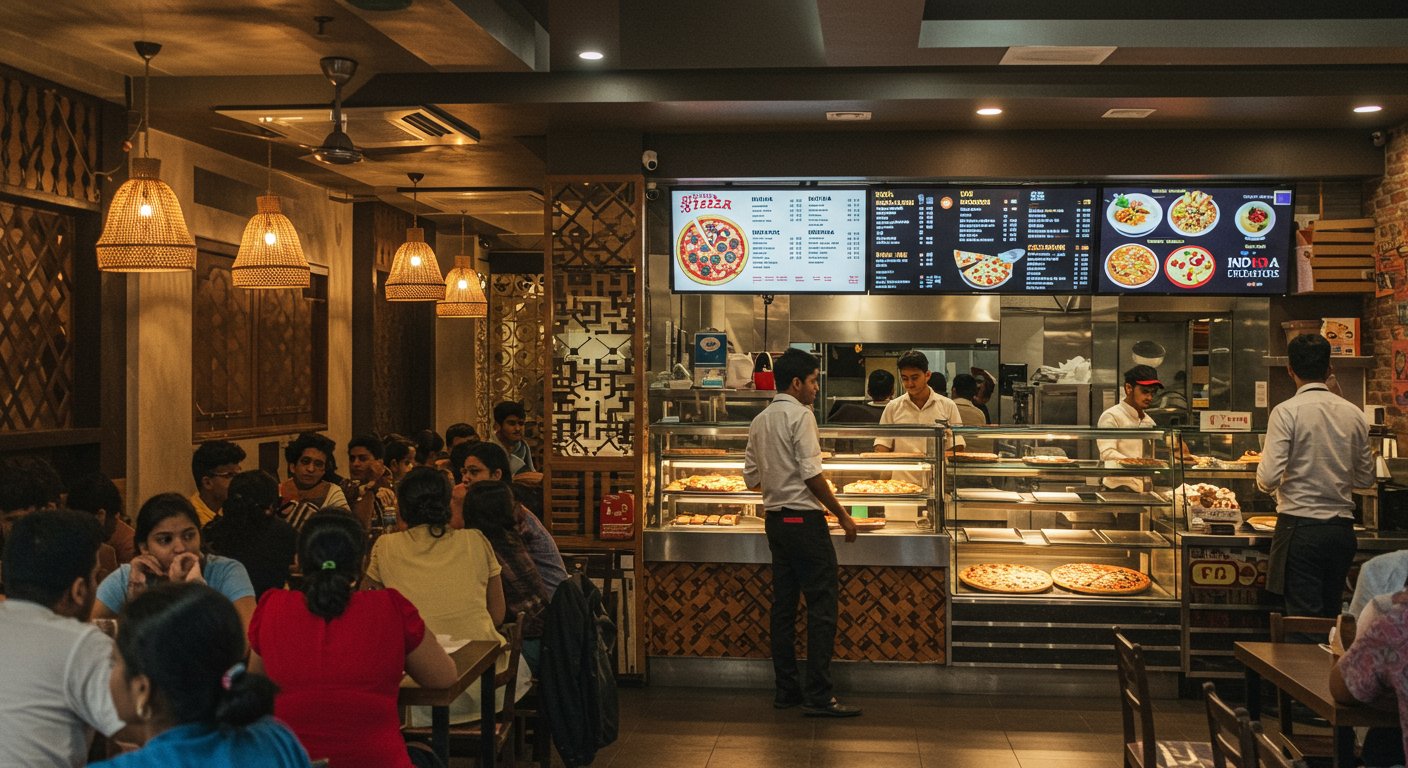
Just as the major US coffee chain Starbucks faces fierce competition from local companies in India, similar competition is occurring in the pizza market. Global chains are reviewing their strategies, including smaller product sizes, lower prices, and expansion into smaller cities.
India's booming fine dining market is expected to grow at 12% annually. To succeed in this growing market, a strategy tailored to local culture and preferences is essential, not just market entry alone.
Responding to India's unique "dietary diversity"
The defining feature of the Indian market is its "diversity of food." Dietary rules rooted in religion span Hinduism, Islam, Jainism, and other faiths, and preferences and seasoning styles differ greatly from region to region.
Nationwide pizza chains need to make careful adjustments in menu development to accommodate this diversity. Developing products centered on chicken and vegetables while avoiding beef is a basic requirement.
As with rice- and spice-heavy menus in South India and wheat-based dishes in North India, offering region-specific menus even under the same brand is key to success.
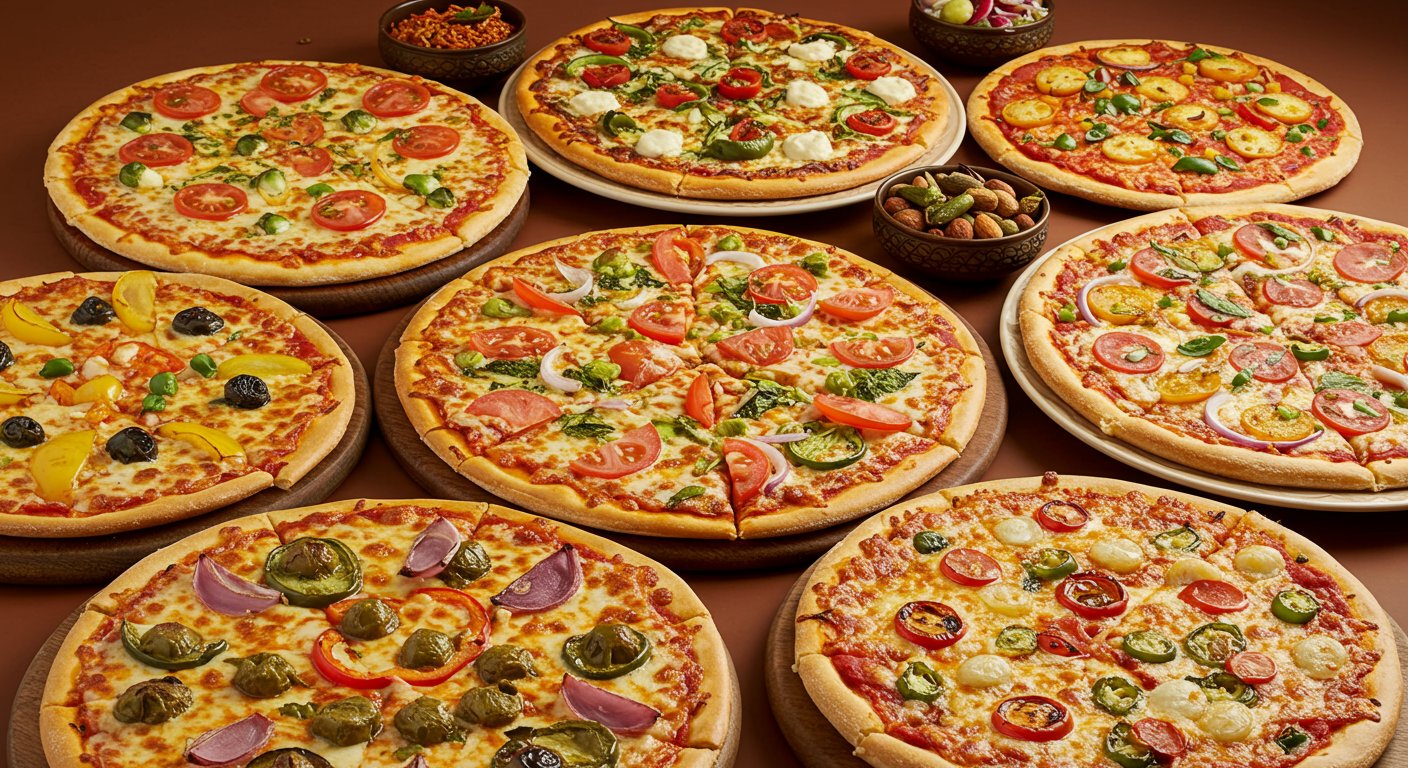
This regional adaptation is not merely a temporary tactic. Indian consumers feel a strong affinity for menus tailored to their own culture and preferences, which leads to higher repeat rates.
Success in the Indian market is all about the balance between "global" and "local"
For example, Domino's Pizza has developed products tailored to local tastes for the Indian market, such as "Peppy Paneer Pizza" and "Indi Tandoori Chicken Pizza." This has made the brand accessible even to segments who were initially resistant to traditional Italian pizza.
The rise of local companies and the reality of intensifying competition
In India's pizza market, domestic restaurant chains are also rising rapidly. Brands rooted in local taste and culture are capturing niche markets that are difficult for foreign entrants to penetrate, expanding not only into urban areas but into Tier 2 and Tier 3 cities as well.
These companies keep price points low while emphasizing cleanliness and convenience, earning support from a broad range of customers. In addition, Zomato and Swiggy high compatibility with online delivery platforms such as Zomato and Swiggy has enabled notable rapid growth in some cases using these platforms.

This pattern holds true across other food and beverage categories as well. In Bengaluru, the homegrown coffee chain Third Wave Coffee has expanded to more than 40 outlets in the city, surpassing Starbucks in store count. Its establishment as a go-to meeting spot for startup founders and investors has helped drive this growth.
To counter the rise of such local players, global chains are also rolling out new strategies. Starbucks's introduction of smaller, lower-priced items is a response to the price-sensitive Indian market.
Similar price competition has begun in the pizza market as well. In some cities, when a global chain launches a new product, local chains respond by offering a similar product at a lower price, creating an ongoing competitive dynamic.
Differentiation strategies beyond price competition
Sustainable growth is difficult through price competition alone. Local companies emphasize being "authentic experts who know Indian tastes inside out," while global chains appeal to "the reassurance of world-class quality," with each leveraging its own strengths to differentiate.
There is also a move to open up new market segments in response to rising health consciousness, such as low-calorie pizzas and premium pizzas using organic ingredients.
Strengthening competitiveness through the use of digital technology
The use of digital technology is indispensable for strengthening competitiveness in India's pizza market. Integration with food delivery platforms such as Zomato and Swiggy is a particularly important key to expanding sales.
These platforms enable not just order acceptance but also the collection and analysis of consumer data. Detailed data, such as which toppings are popular in which regions and when order peak times occur, makes it possible to develop menus and formulate sales strategies based on evidence.
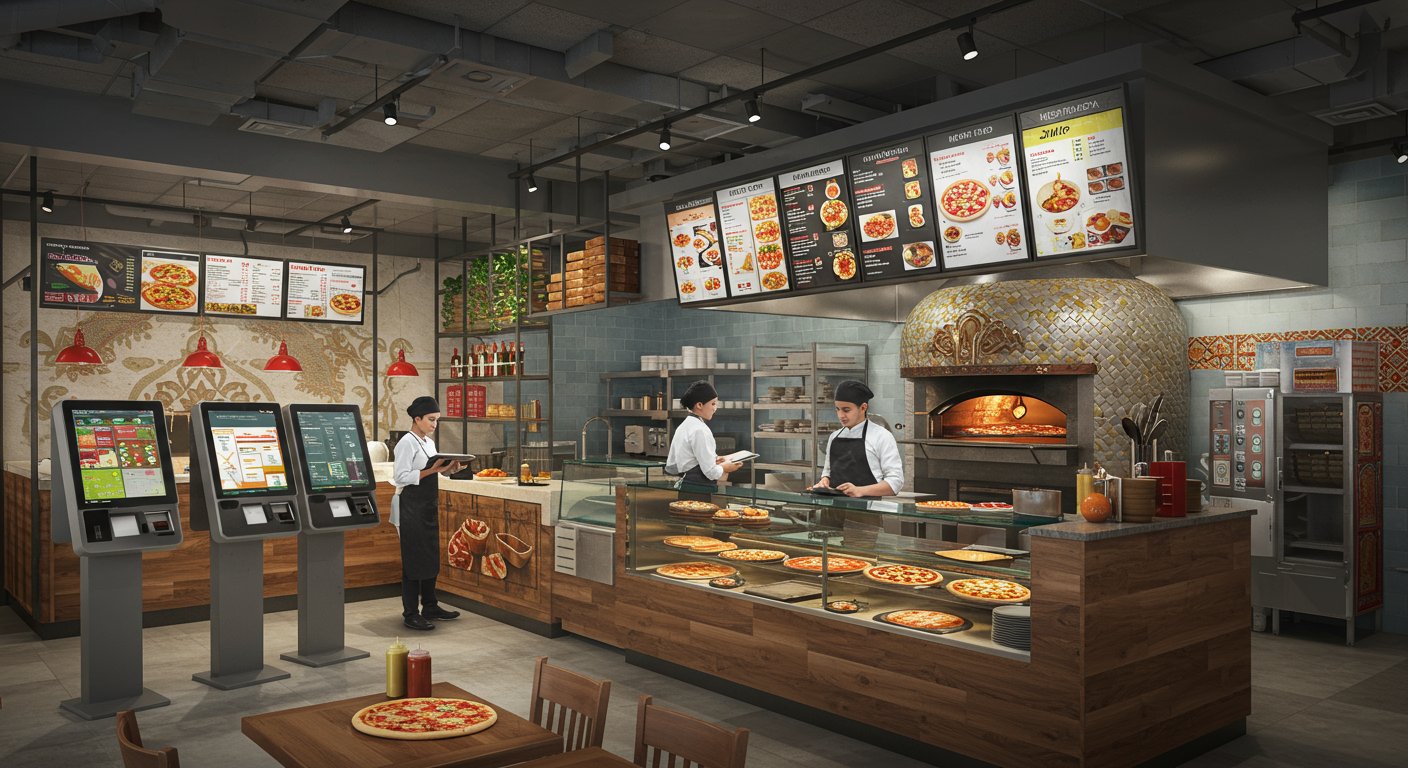
Furthermore, developing and operating proprietary apps has become an important strategy. More chains are working to build long-term customer relationships through loyalty programs and personalized promotions.
One local chain has introduced a system that uses AI to analyze customers' preferences from their order history and suggest individually customized menu recommendations, successfully increasing repeat rates and average spending per customer.
Digitalization of the in-store experience
The in-store experience is also evolving through digital technology. Efforts to enhance customer convenience are underway, including the introduction of tablet-based ordering systems, digital menu boards, and expanded mobile payment options.
These digital technologies are not simply about "introducing the latest technology"; they are becoming an important element in meeting the expectations of young Indian consumers.
Opportunities and market-entry strategies for Japanese companies
India's pizza market offers many lessons and business opportunities for Japanese companies as well. Japanese food brands that compete on quality and brand strength can collaborate with local startups and chains by entering the market while understanding India's food culture and consumer behavior.
Rather than merely supporting market entry, building partnerships aimed at collaboration with local chains is essential for sustainable business development.
India's restaurant chain market is expected to continue expanding, making it a field worth watching for companies considering entry. It is a market that requires detailed marketing strategies, including adapting to diverse food cultures, responding to regional differences in taste, and giving consideration to religious dietary restrictions, but it is an attractive market with the potential for major growth upon success.
Key points at the time of entry
Japanese companies considering entry into the Indian market need to pay attention to the following points. First, the selection of a local partner should be done carefully. Having a partner well versed in India's complex regulations and business customs is key to smooth business development.
Next is establishing a phased rollout plan. Rather than aiming for nationwide expansion from the start, an effective approach is to concentrate on a specific region or city, establish a successful model there, and then expand.
And finally, ongoing market research and flexible responsiveness. The Indian market changes rapidly, and consumer preferences also shift quickly. Regular market research and rapid strategy adjustments based on it are essential.
Ultimately, the strategy for success in India's pizza market comes down to a balance between "localization" and "differentiation." Product development and marketing that stay close to Indian consumers while maintaining global standards will be the key to surviving in this fiercely competitive market.
Related Articles
- Bengaluru's Pizza Market
- Characteristics of the Bengaluru Market
- Consumption Trends of India's Middle Class
Frequently asked questions
- What is behind the growth of India's pizza market?
-
The rise of the middle-income class, the spread of dining-out culture, and the proliferation of delivery apps are supporting growth. Eating out and using delivery services have become part of daily life, especially among younger generations, and pizza has established itself as a popular menu item. The fine dining market overall is also expanding steadily.
- How are pizza chains responding to India's dietary diversity?
-
In line with religious dietary rules and regional preferences, developing products centered on chicken and vegetables while avoiding beef is a basic requirement. They develop pizzas adapted to local tastes, such as with paneer and tandoori chicken, capturing even segments that were resistant to traditional Italian pizza.
- How are local Indian pizza chains rising?
-
Brands rooted in local taste and culture are capturing niches that are difficult for foreign entrants to penetrate, expanding not only into urban areas but into Tier 2 and Tier 3 cities as well. They are growing by keeping prices low while emphasizing cleanliness and convenience, and by leveraging their compatibility with delivery apps.
- How can companies differentiate beyond price competition?
-
Local companies emphasize being authentic experts who know Indian tastes inside out, while global chains appeal to the reassurance of world-class quality, each leveraging its own strengths to differentiate. In response to rising health consciousness, opening up new segments such as low-calorie pizzas and premium pizzas using organic ingredients is also effective.
- How does digital technology translate into competitiveness in the pizza market?
-
Integration with Zomato and Swiggy not only expands sales but also enables analysis of consumer data, such as regionally popular toppings and order peak times. Loyalty programs and personalized initiatives on proprietary apps, as well as in-store mobile ordering and payment, are also elements that meet the expectations of younger consumers.
- How should Japanese companies proceed when entering India's pizza market?
-
A phased approach is effective: carefully select a partner well versed in complex local regulations and business customs, and rather than aiming for nationwide expansion from the start, establish a successful model in a specific region or city before expanding. Because the Indian market changes quickly, ongoing market research and rapid strategy adjustment are essential.
Reference Information
MORE
Can Japanese products be placed on India's quick commerce?Will supermarkets in India stock Japanese products?Is wholesaling to India's ubiquitous kirana shops possible?Which malls in India are UNIQLO and MUJI in?Where does sales channel development in India start? How distribution works and how to choose a channelOrders placed in India do not arrive | How to find suppliers of ingredients and materials, and what to do about itSOJAPAN
We support Japanese companies entering India, from market research through local partner development, test sales, and import.