Home / Insights on entering the Indian market
9 Characteristics and Changes in the India Market: The Basics Japanese Companies Should Know
2026.03.24
India has become the world's most populous country. As of 2026, it is becoming clear that the country's market is not only "huge with room to grow" but also has a "rapidly changing structure." Major change is occurring on every front: the progress of digitalization, the rise of the middle class, the purchasing power of Gen Z, the growth of regional cities, women's economic participation, and expanding sustainability consciousness.
Based on the latest data from the IMF, World Bank, and NRI, this article organizes 9 characteristics and changes that make up the current India market, and explains the essentials that Japanese companies need to know to succeed in the India market.
Latest Trends in the India Market: Background to Watch in 2025-2026
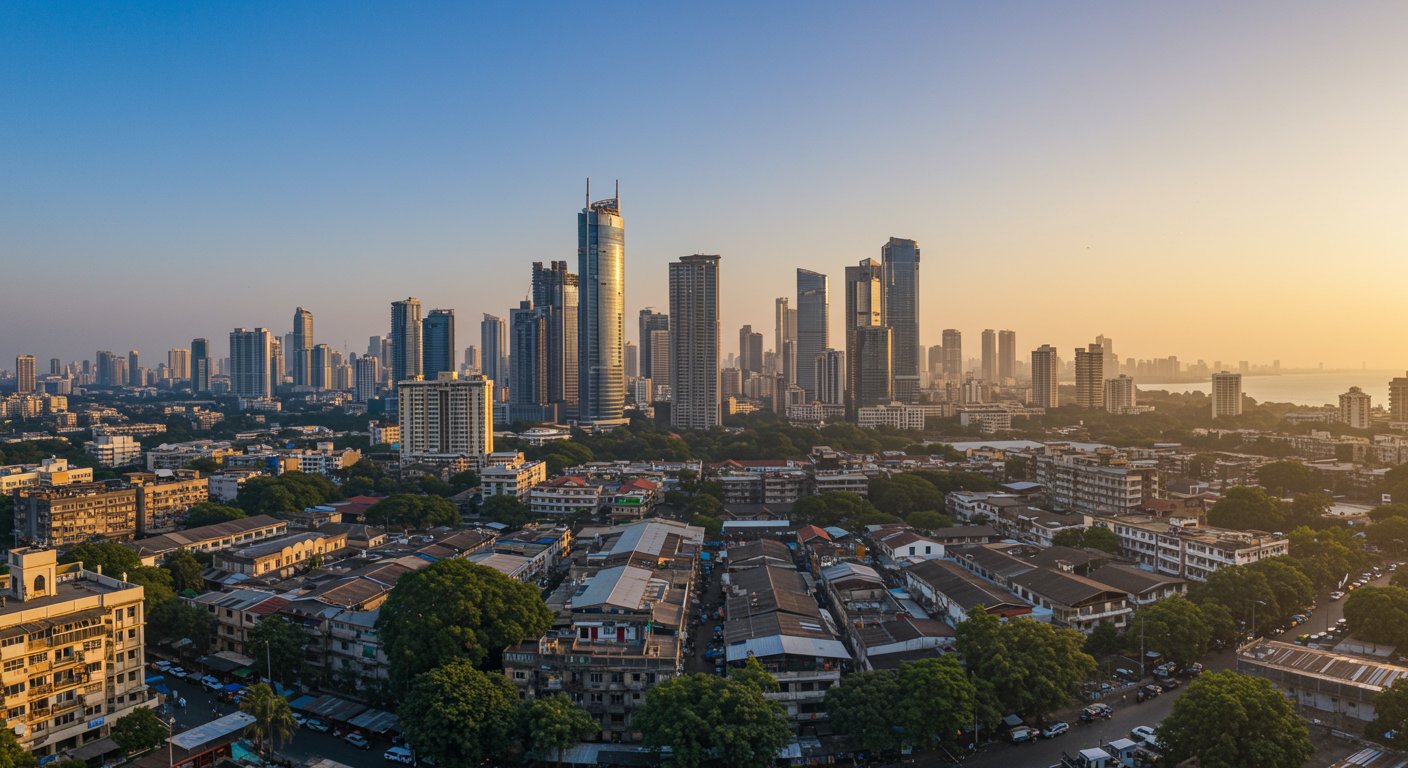
India is now the world's most populous country, with a population of about 1.4 billion. The IMF forecasts India's real GDP growth rate for 2025-26 at 6.5–6.6%..., and is expected to maintain top-tier growth among major economies. India is projected to overtake Japan in nominal GDP in 2025 to become the world's fourth largest economy, and to overtake Germany in 2028 to move into third place.
Following the 2024 Lok Sabha (lower house) elections, the continuation of the Modi administration has secured political stability, and policies such as infrastructure investment and manufacturing promotion continue to be pursued. According to the Indian government's outlook, the economic growth rate is forecast at 7.4% for FY2025 and 6.8-7.2% for FY2026.
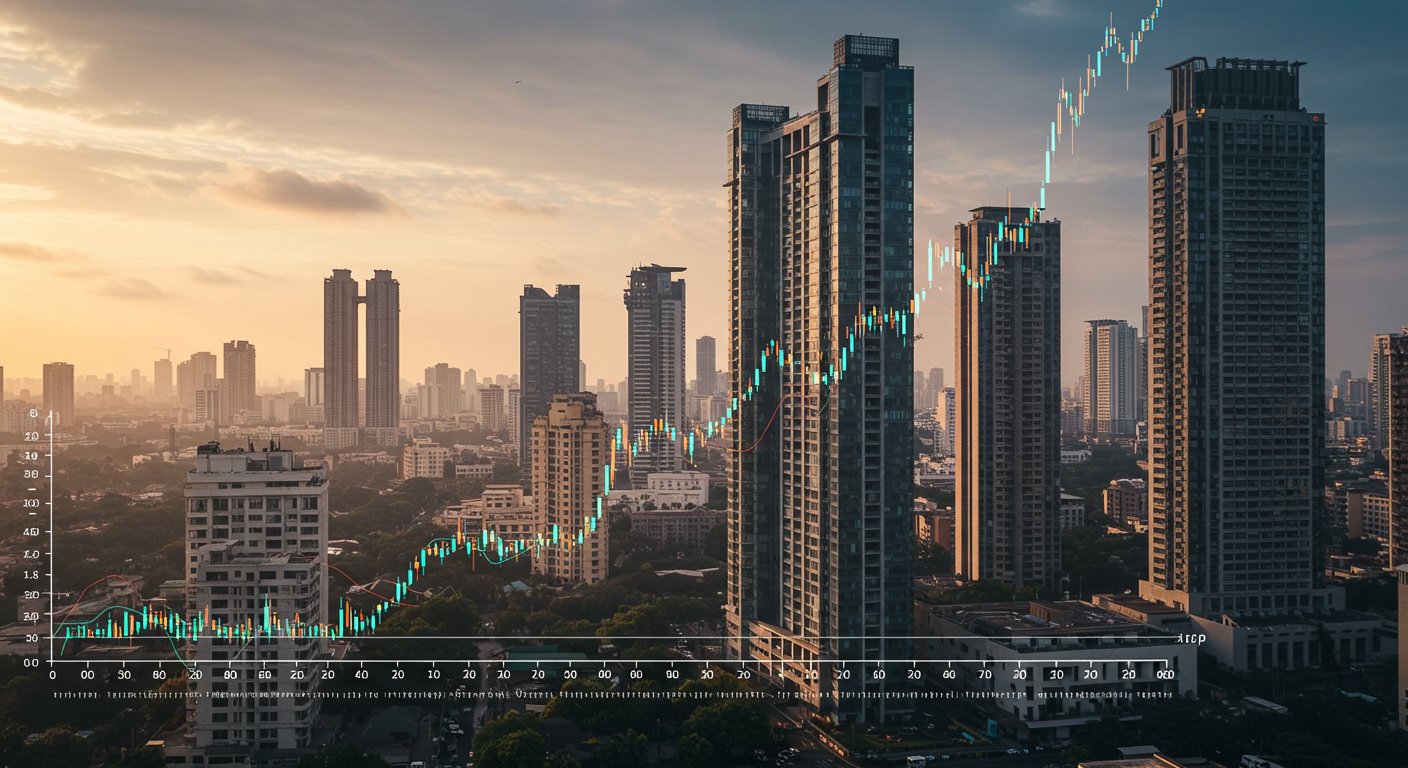
1. Economic Growth Rate and Expanding Market Size
India's real GDP growth rate is maintaining a level of 6.5-6.6% through 2025-26, among the top of major economies. Behind this growth are the "Make in India" policy, nationwide digitalization, infrastructure development, and manufacturing promotion through the PLI (Production Linked Incentive) scheme.
インドの名目GDPは2025年に日本を抜いて世界第4位となり、2028年には第3位となる見通しが示されています。都市部では中間層の拡大が顕著で、自動車・家電・高級品への需要が年々高まっています。
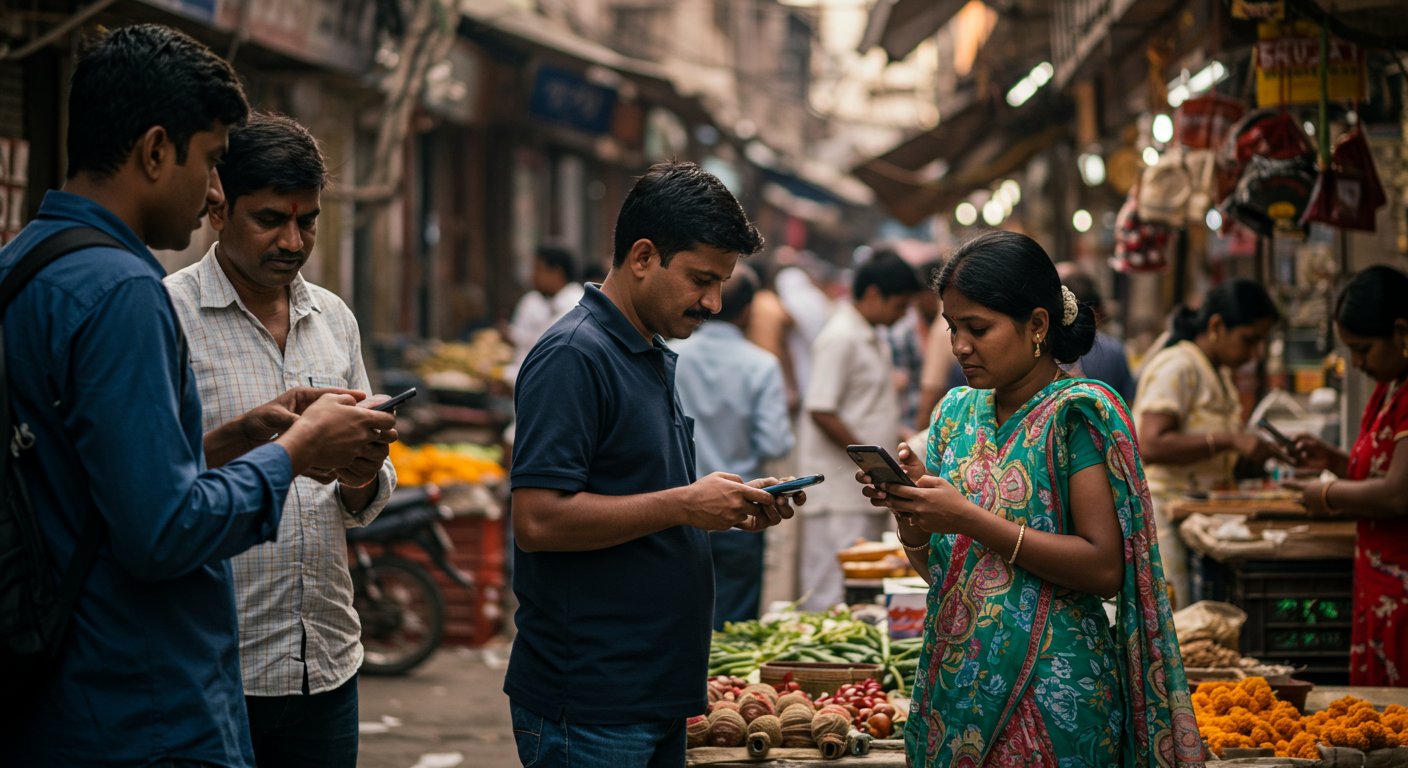
2. Rapid Progress of Digitalization
India's digitalization is progressing at an astonishing speed. The annual transaction volume of UPI (Unified Payments Interface) reached 228.3 billion in 2025..., continuing to grow more than 30% year on year (FY2024-25 saw 185.8 billion transactions, up 41% year on year). The IMF has recognized UPI as the world's largest real-time payment system, accounting for about 49% of the world's instant payment transactions.
PhonePe (48.3%) and Google Pay (37.0%) dominate the UPI ecosystem, and Paytm has also diversified into financial services more broadly. UPI users have surpassed 500 million and are expected to top 1 billion by the end of 2026.
India's internet users have reached about 806 million, up 6.5% from the previous year. The digital advertising market is expected to grow 11.5% year on year.
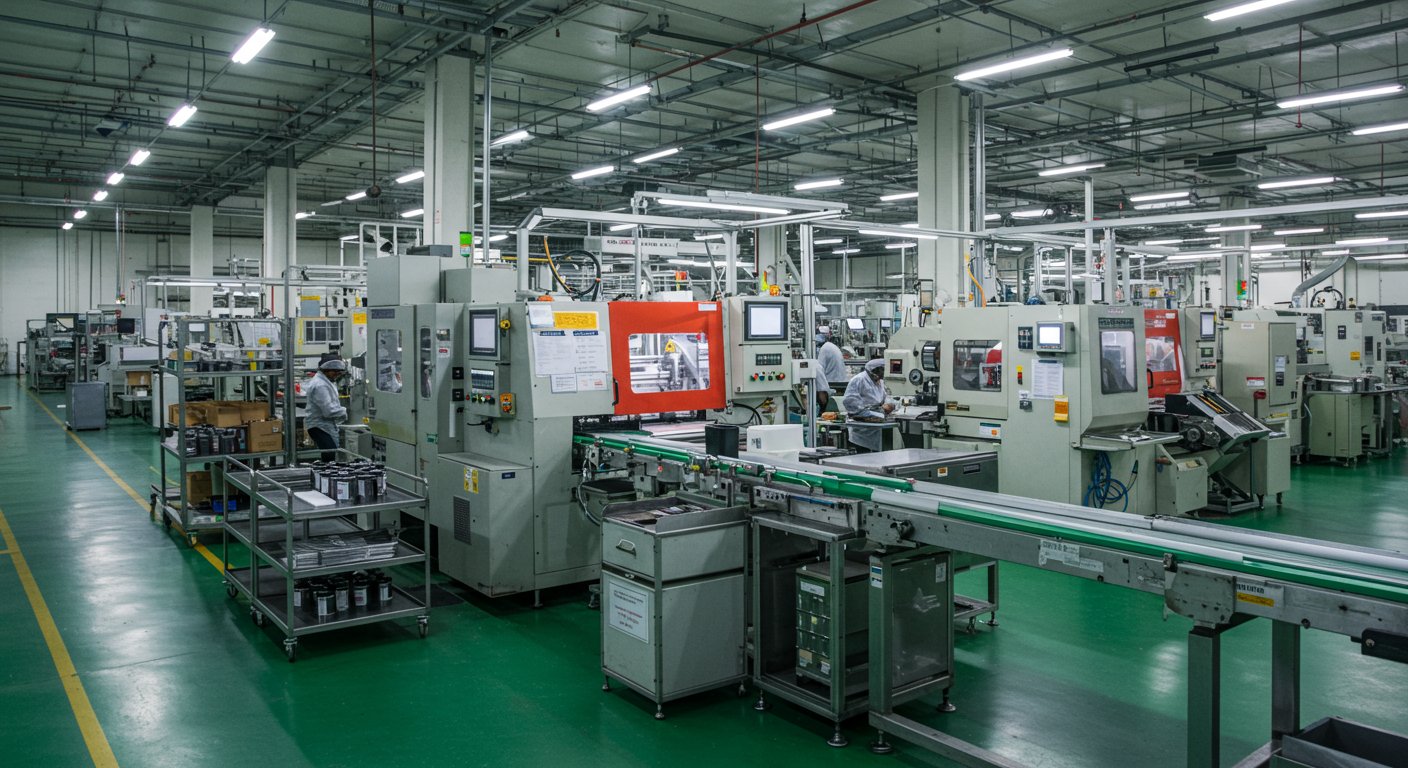
3. Rising Manufacturing Competitiveness and the "China Plus One" Strategy
Through the "Make in India" policy and the PLI scheme, India's manufacturing sector is rapidly improving its competitiveness. Domestic production is surging in fields such as smartphones, electronics, semiconductors, and pharmaceuticals.
India is one of the leading candidates in global companies' "China Plus One" strategy. Foxconn and Tata Electronics, suppliers to Apple, are expanding production in India, and not only Japanese companies but also Western, Korean, and Taiwanese companies are entering one after another.
4. Rapid Expansion of the Middle Class and Changing Consumer Behavior
India's retail market is growing at an average annual rate of 9% and is expected to reach $1.407 trillion by 2026. Income levels are rising, particularly among the upper middle class, and consumption is diversifying.
India's middle class This segment shows a stronger brand orientation along with growing quality consciousness, and demand for Japanese companies' high-quality products and services is expanding. The D2C (Direct to Consumer) market is also expanding at an average annual growth rate of 25% and is projected to grow to a scale exceeding $100 billion.
5. The Rise of Gen Z and New Consumption Trends
Gen Z (born 1997-2012), which accounts for about 27% of India's population, shows distinctive consumer behavior as digital natives. Instagram and YouTube are their main channels for gathering information, and their purchasing behavior is characterized by an emphasis on sustainability and social responsibility.
6. The Rapid Growth of Tier 2 and Tier 3 Cities
Tier 2 and Tier 3 cities Economic growth is remarkable, with cities such as Pune, Jaipur, Ahmedabad and others rapidly developing as business hubs. Thanks to the spread of e-commerce, consumers in these cities can now access the same products and services as those in major urban areas.
7. Expanding Economic Participation by Women
Women's labor force participation rate is trending upward in India, and the market for products and services targeting women is expanding. Rising education levels and the spread of digital technology are supporting women's economic participation.
8. Expanding Sustainability and ESG Investment
The Indian government has set a goal of achieving carbon neutrality by 2070 and is accelerating investment in renewable energy. Interest in ESG (Environmental, Social, and Governance) investment is also rising, and demand for Japanese companies' sustainable technologies is increasing.
9. Rapid Expansion of GCCs (Global Capability Centers)
Over 2,100 GCCs are operating across India, with a particularly large concentration in Bengaluru about 870 GCCs. New GCCs continue to be established in advanced fields such as AI, cybersecurity, and enterprise software, and opportunities for Japanese companies to collaborate in the IT and digital fields are also expanding.
How Japanese companies should respond
Based on these 9 characteristics of the India market, the actions Japanese companies should take are as follows.
1. Enter with a digital-first approach:digital payments companies should build a business model that assumes digital payments and e-commerce.
2. Invest early in Tier 2 cities: not just major cities, but also fast-growing Tier 2 cities, where early entry creates a competitive advantage.
3. localization should be thoroughly pursued: a zero-based design that achieves "Japanese quality at Indian prices" is needed.
4. Local partners partner with them: make the fullest use of local knowledge for regulatory compliance, building a sales network, and understanding consumers.
Frequently asked questions
- What is the outlook for India's economic growth?
-
India is projected to have a top-tier growth rate among major economies. It is also expected to rank among the world's top economies by nominal GDP, with policies such as infrastructure investment and manufacturing promotion being pursued under political stability. Over the medium to long term, its presence in the global economy is growing.
- How far has India's digitalization progressed?
-
UPI (Unified Payments Interface) transactions have grown substantially, developing into one of the world's largest real-time payment systems. PhonePe and Google Pay support the UPI ecosystem, and the number of users is enormous. Internet users also continue to increase, and growth in the digital advertising market is also expected.
- How is India positioned in the China Plus One strategy?
-
Through the Make in India policy and the PLI scheme, domestic production is increasing in fields such as smartphones, electronics, semiconductors, and pharmaceuticals. India is considered one of the leading candidates in global companies' China Plus One strategy, and production expansion is progressing. Not only Japanese companies but also Western, Korean, and Taiwanese companies are advancing into the market.
- What impact is the rise of Gen Z having on the India market?
-
Gen Z, which accounts for a large share of India's population, shows distinctive consumer behavior as digital natives. They use Instagram and YouTube as their main channels for gathering information, and their purchasing behavior is characterized by an emphasis on sustainability and social responsibility. As the generation that will become the main driver of consumption going forward, approaching them through digital channels will be important.
- How does the expansion of GCCs (Global Capability Centers) relate to Japanese companies?
-
Numerous GCCs are operating across India, with a particular concentration in Bengaluru. New establishments continue in advanced fields such as AI, cybersecurity, and enterprise software. Opportunities for Japanese companies to collaborate in the IT and digital fields are also expanding, and this is worth watching from the perspective of development hubs and technology partnerships.
- Given the characteristics of the India market, how should Japanese companies move first?
-
Build a digital-first business model that assumes digital payments and e-commerce, and consider early entry not only into major cities but also into fast-growing Tier 2 cities. Thoroughly localizing through a zero-based design that achieves Japanese quality at Indian prices, and partnering with local partners for regulatory compliance and building a sales network, will lead to a competitive advantage.
Sources
MORE
Can Japanese products be placed on India's quick commerce?Will supermarkets in India stock Japanese products?Is wholesaling to India's ubiquitous kirana shops possible?Which malls in India are UNIQLO and MUJI in?Where does sales channel development in India start? How distribution works and how to choose a channelOrders placed in India do not arrive | How to find suppliers of ingredients and materials, and what to do about itSOJAPAN
We support Japanese companies entering India, from market research through local partner development, test sales, and import.