Home / Insights on entering the Indian market
Why India's Tier 2 Cities Are Hot: Growth Potential and the Path to Entry
2026.03.24
When you hear "India,"Delhi and Mumbai many people probably picture these major cities. But right now, the attention of investors and global companies is heating up around India's second-tier cities, known as "Tier 2 cities."
India, a massive market of over 1.46 billion people, is not a monolith. Economic structure, consumption culture, and industrial concentration differ greatly from city to city, each with its own characteristics. In particular, over the past few years, Ahmedabad Tier 2 cities such as Pune, Jaipur, and Lucknow have grown remarkably, becoming a treasure trove of business opportunities.
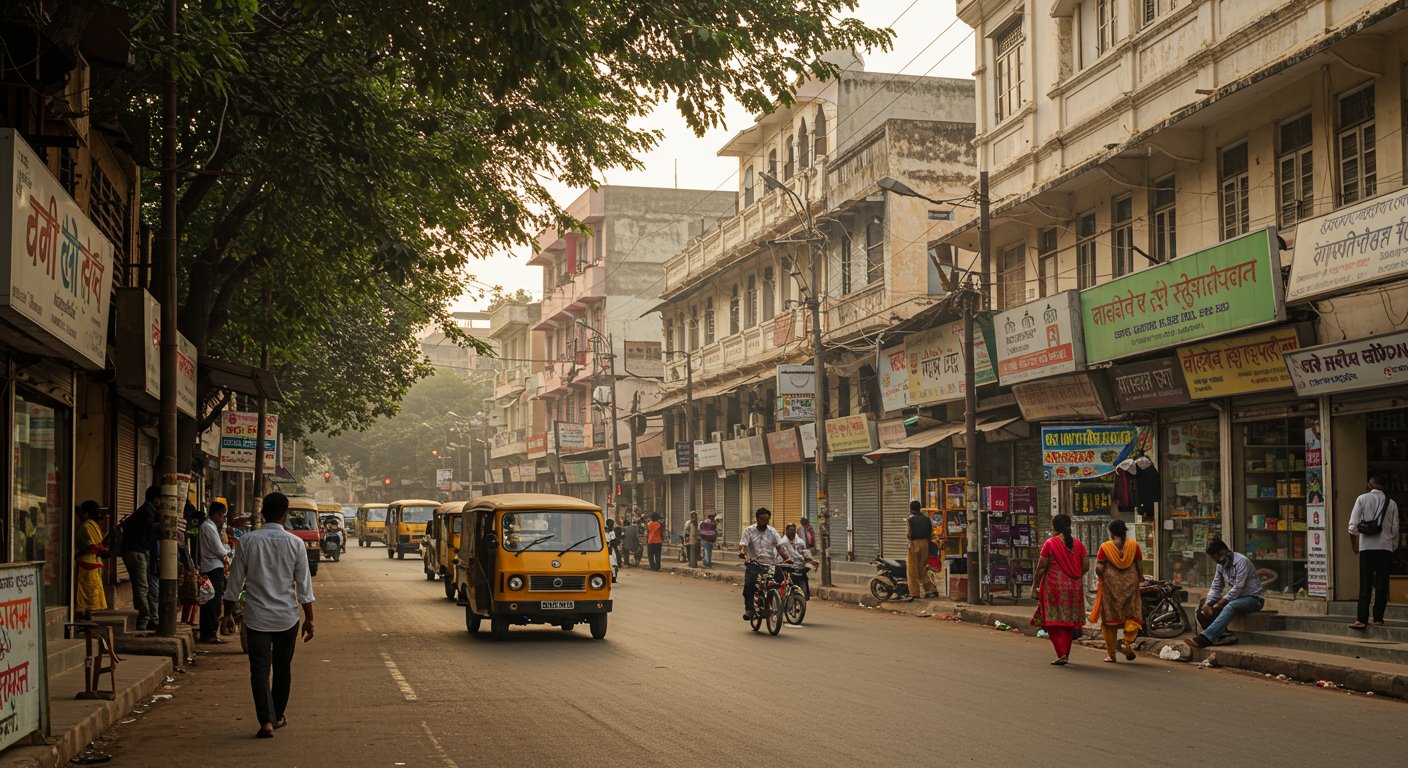
The reasons Tier 2 cities are drawing attention are not simple. Population growth, expansion of the middle class, progress in infrastructure development, and, above all, lower entry costs and higher growth potential compared to major cities are what make these cities attractive investment destinations.
This article explains why India's Tier 2 cities deserve attention now, covering their growth potential and specific entry strategies based on the latest data and local trends.
What Does "Tier" Mean?
The word "tier" means "level" or "layer," and it is used differently depending on the field. In the internet industry, Tier 1 refers to major carriers that can reach routes around the world on their own, Tier 2 refers to operators that connect to Tier 1 while having strength in a particular region, and Tier 3 refers to operators that provide lines directly to individuals and businesses.
In the India market, on the other hand, the Tier classification indicates a city's size and level of economic development: Tier 1 refers to major cities such as Delhi and Mumbai, Tier 2 to mid-sized cities such as Pune and Jaipur, and Tier 3 to regional cities. The two usages have no direct relationship, but they share the same hierarchical image: the higher the tier, the broader and larger the scale, and the lower the tier, the more local and small-scale.
From Tier 1 Cities to Tier 2 Cities: A New Trend in the India Market
Understanding the India market requires grasping the concept of the city tier system. Generally, India's cities are classified into Tier 1, Tier 2, and Tier 3 based on population size and level of economic development.
Tier 1 cities refer to Delhi, Mumbai, Bengaluru, Chennai, Hyderabad, Kolkata major cities such as these. These cities are already highly developed, and most foreign companies have established their base here first.
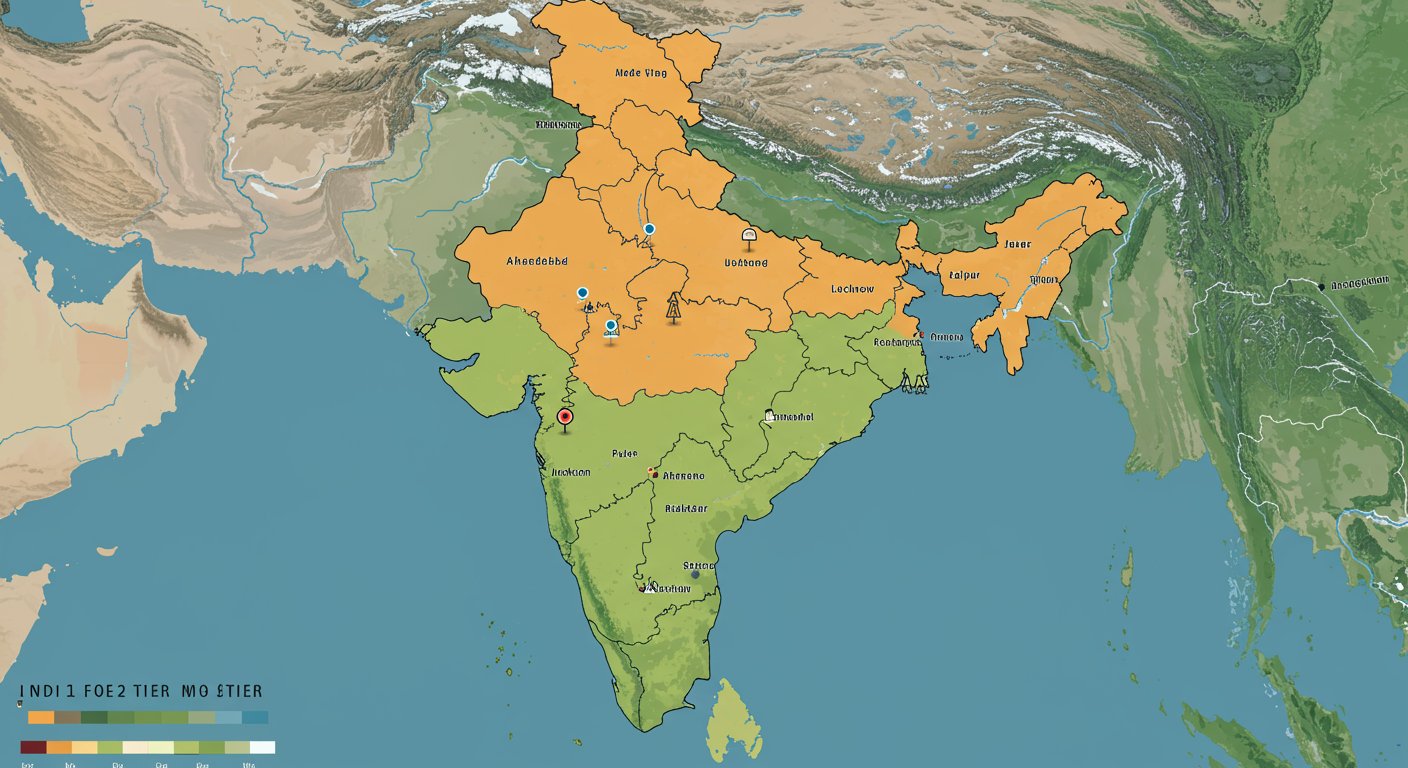
However, Tier 1 cities are approaching saturation. Soaring land prices, intense competition, and rising living costs are becoming barriers to new entry.
Tier 2 cities, on the other hand, are mid-sized cities, including Ahmedabad Pune, Jaipur, Lucknow, Chandigarh, and Kochi. These cities are undergoing rapid economic growth and hold untapped market potential.
Why is attention gathering on Tier 2 cities now?
First, the growth rate of Tier 2 cities is outpacing that of Tier 1 cities. There is significant room for economic development, and infrastructure is being built at a rapid pace. In addition, the wave of digitalization is also reaching Tier 2 cities, and improvements in smartphone penetration and internet connectivity are transforming consumer behavior.
Furthermore, the Indian government's "Smart Cities Mission" and "Digital India" policies are also supporting the development of Tier 2 cities. Through these policies, the infrastructure and digital environment of Tier 2 cities are rapidly improving.

5 Factors Driving the Growth of Tier 2 Cities
Multiple factors are intertwined behind the rapid growth of Tier 2 cities. Let's look at the five most important growth drivers.
1. Demographics and the Expanding Middle Class
In Tier 2 cities, population growth among younger people is notable. In particular, there is a large working-age population in their 20s and 30s, who form the core of consumption. In addition, the middle class is rapidly expanding due to rising income levels, increasing the appeal of these cities as consumer markets.
In Pune, for example, the concentration of the automotive industry and its development as an educational hub have led to a continuing influx of young people. This is driving rising demand for health-conscious food and digital services.
2. Progress in Infrastructure Development
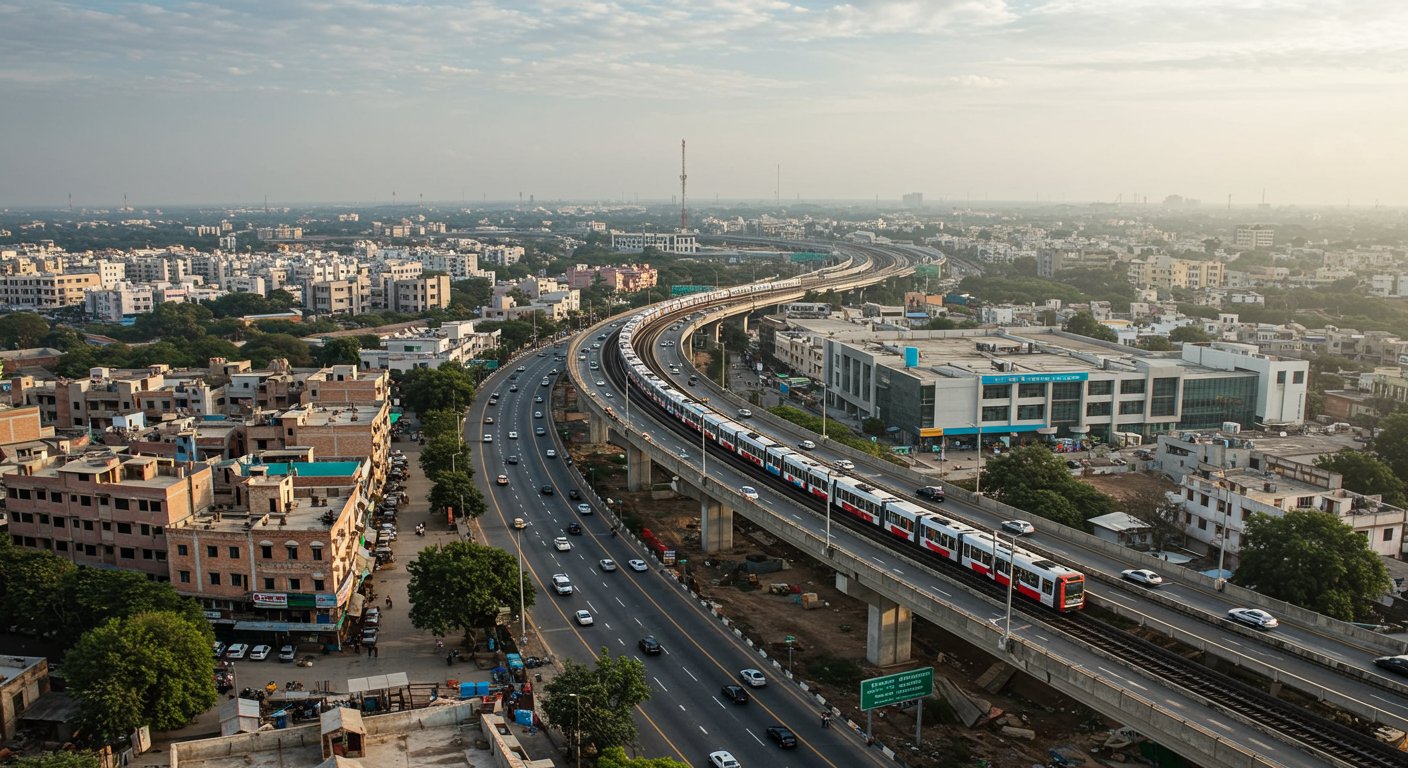
The infrastructure environment, once a weakness of Tier 2 cities, is improving rapidly. Road networks, expanded airports, stable power supply, and high-speed internet access, infrastructure essential for business, are steadily being put in place.
Of particular note is the infrastructure investment in Tier 2 cities that has accelerated since 2024. In Ahmedabad, construction plans for a new integrated passenger terminal are underway, and expanded airport functions are expected. In Jaipur, highway network development is progressing, and improvements to the logistics environment are steadily advancing.
3. Progress in Digitalization
Smartphone penetration in Tier 2 cities is rising rapidly, and the use of digital payments and e-commerce is also expanding. Online shopping and digital services have become part of daily life, especially among younger people.
2024 data shows that the e-commerce market in India's Tier 2 cities grew more than 30% year on year, and continued expansion is forecast. Demand for food and cosmetics in D2C (Direct to Consumer) models, in particular, is rising.
4. Business Cost Advantages
Compared to Tier 1 cities, Tier 2 cities keep real estate costs, labor costs, and living costs significantly lower. This gives businesses a high cost performance in launching and operating, making investment efficiency an appealing feature.
In engineer hiring in particular, securing talent from Tier 2 and Tier 3 cities, outside the high-labor-cost Tier 1 cities, is likely to become an important issue going forward.
5. Government Support Policies
The Indian government is actively encouraging investment in Tier 2 cities through policies such as "Make in India" and "Startup India." Measures to build a favorable business environment, such as tax incentives and subsidies, are extensive.
What stands out in particular is Announced in August 2024, this is a Tier 2 city strategy in the animal health field. Boehringer Ingelheim India entered into a strategic partnership with Vvaan Lifesciences for the distribution of pet deworming medication, aiming to strengthen access in Tier 2 cities and mini-metros, areas that tend to be underserved.
Notable Tier 2 Cities and Their Characteristics
India has many Tier 2 cities. Here are a few that stand out for their remarkable growth and large business opportunities.
Ahmedabad (Gujarat)
A leading industrial city in Gujarat, known for its thriving textile and pharmaceutical industries. It is known for its business-friendly environment, and the market for mid-priced goods is expanding. Demand for food and daily necessities aimed at the middle class, in particular, is rising.
Recently, development of Gujarat International Finance Tec-City (GIFT City) has been progressing, and financial services are also becoming concentrated there.
Pune (Maharashtra)
A hub for the automotive industry, Pune is also developing as an educational city. Its IT industry is also growing rapidly, and it is characterized by high demand among young people for health-conscious food and digital services.
Located about 150 km from Mumbai, its appeal lies in combining good access to a major city with relatively low costs.
Jaipur (Rajasthan)
Known as the "Pink City," Jaipur is a tourist city and also a center of traditional handicrafts. While tourism forms its base, it is also seeing a growing concentration of IT businesses and startups. Gift demand and the food service market in particular are growing, making it possible to develop businesses that leverage its character as a tourist city.
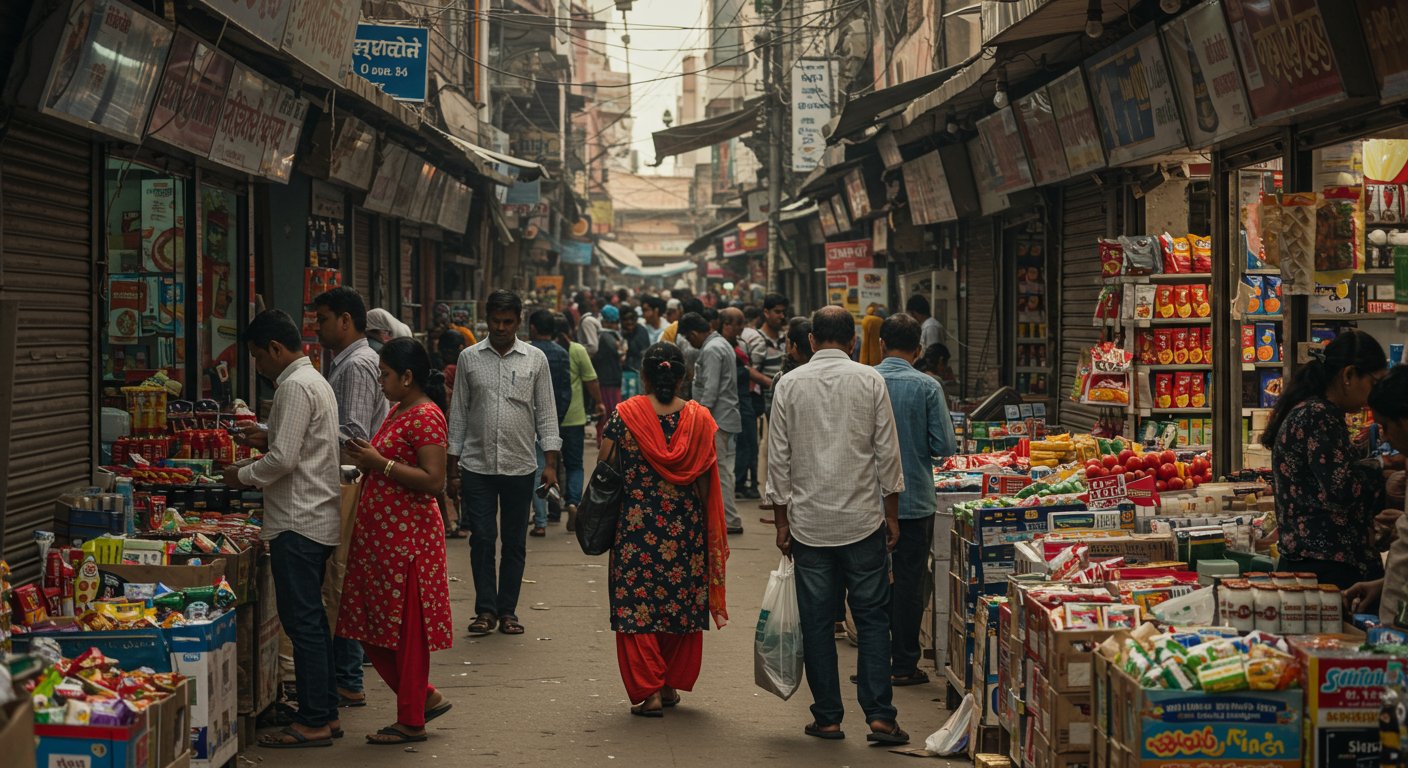
Lucknow (Uttar Pradesh)
The capital of Uttar Pradesh and its administrative center. Population growth and rising purchasing power are progressing, and it is drawing attention as a consumption hub for daily necessities and food.
Growth in food processing and retail is particularly notable, and demand for products aimed at the middle class is expanding.
Entry Strategy for Tier 2 Cities: An Approach to Success
Succeeding in business in Tier 2 cities requires a strategy that understands their characteristics. Below are some effective entry approaches.
1. Adopting a Phased Approach
Rather than making a large investment right away, an effective approach is to start with small-scale test marketing and expand step by step while observing market reaction.
For example, one approach is to run sales tests using e-commerce platforms and consider opening physical stores first in cities that show a good response.
2. Customizing Products and Services to Local Characteristics
India's cities differ greatly in language, culture, and consumption habits. Understanding regional characteristics and customizing products and services accordingly is key to success.
For example, food preferences differ greatly between South and North India, so food-related businesses need to adjust taste by region. Religious considerations are also indispensable.
3. A Strategy Merging Digital and Physical
While digitalization is advancing in Tier 2 cities, traditional face-to-face sales also remain important. An omnichannel strategy combining online and offline is effective.
Of particular note is the rapid growth of the D2C (Direct to Consumer) model in Tier 2 cities since 2025. Building an e-commerce platform that leverages Bengaluru's IT environment to directly approach consumers in Tier 2 cities is cited as a successful example.
4. Collaboration with Local Partners
Given the complexity of the India market, collaborating with partners who are well versed in local circumstances is important. Leveraging local partners' know-how in building distribution networks, regulatory compliance, and marketing can reduce entry risk.
Frequently asked questions
- What are Tier 2 cities?
-
They are a classification of mid-sized cities ranking below major metropolises such as Delhi and Mumbai (Tier 1). Pune, Ahmedabad, Jaipur, Lucknow, and Indore fall into this category, and are increasing their presence as consumer markets through population and income growth.
- Why are Tier 2 cities "hot"?
-
Because the expansion of the middle class, the spread of smartphones and digital payments, and the penetration of e-commerce are spreading demand for the same products and services seen in major cities to small and mid-sized cities as well. Since there is less competition and lower costs than in major cities, early entry offers real advantages.
- What business opportunities exist in Tier 2 cities?
-
There are opportunities to capture the upgrading of consumption that comes with rising income, across consumer goods, food, dining, retail, and services. Another appeal is that leveraging e-commerce and digital tools can extend reach even in cities with few physical stores.
- How should companies win over Tier 2 cities?
-
The basic approach is to roll out a model already proven in major cities. The specific approach is A Practical Guide to Cracking Tier 2 and Tier 3 Cities which covers these in detail.
- What points should companies be careful about when targeting Tier 2 cities?
-
Many cities still lack developed distribution and logistics infrastructure and modern trade, and price sensitivity also tends to be high. Since there are also regional differences in preferences and language, it is essential to partner with local distribution partners and adjust prices and products to fit each region.
- What are some representative Tier 2 cities?
-
Pune, Ahmedabad, Jaipur, Lucknow, Indore, Coimbatore, and Chandigarh are representative examples. Since each has a different industrial structure and consumption characteristics, it is important to choose a city that fits your own products.
Summary: The New Potential Tier 2 Cities Bring to the India Market
India's Tier 2 cities hold great potential as new growth markets, replacing Tier 1 cities that are approaching saturation. Multiple factors, population growth, expansion of the middle class, progress in infrastructure development, the wave of digitalization, and government support policies, have combined, and these cities are developing rapidly.
Cities such as Ahmedabad, Pune, Jaipur, and Lucknow each have their own characteristics and offer a variety of business opportunities. Succeeding in these markets requires understanding regional characteristics, a phased approach, a strategy merging digital and physical channels, and collaboration with local partners.
For companies considering entering the India market, Tier 2 cities are an attractive option offering low cost and high growth potential. Now is the time to look at the new possibilities offered by India's Tier 2 cities and consider a strategic market entry.
[References and sources]
This article is based on the following publicly available information.
-360 Realtors"Understanding Indian city classification in Tier I, II, III, and IV"
SARC Associates, "Unlocking Prosperity: The E-commerce Revolution in Tier 2 and Tier 3 Cities - A Gateway to Job Creation and Economic Growth"
MORE
Can Japanese products be placed on India's quick commerce?Will supermarkets in India stock Japanese products?Is wholesaling to India's ubiquitous kirana shops possible?Which malls in India are UNIQLO and MUJI in?Where does sales channel development in India start? How distribution works and how to choose a channelOrders placed in India do not arrive | How to find suppliers of ingredients and materials, and what to do about itSOJAPAN
We support Japanese companies entering India, from market research through local partner development, test sales, and import.