Home / Insights on entering the Indian market
5 Reasons India's Biryani Chains Are Growing So Fast
2026.03.24
Biryani's place in India's food service market
India's food service chain market has expanded rapidly over the past decade. The main drivers are the growing middle-income population, concentrated in urban areas, the spread of dining-out culture, and the proliferation of delivery apps.
Eating out and using delivery services have become part of daily life, especially among younger generations, making food service chains a fixture of everyday living. Amid this shift, chains specializing in biryani, a dish that originated in India, have been growing rapidly.
Biryani is a dish made by steaming fragrant rice, such as basmati, together with meat or vegetables and spices. Each region of India has developed its own cooking methods and flavors, and it is said that more than 30 variations exist.
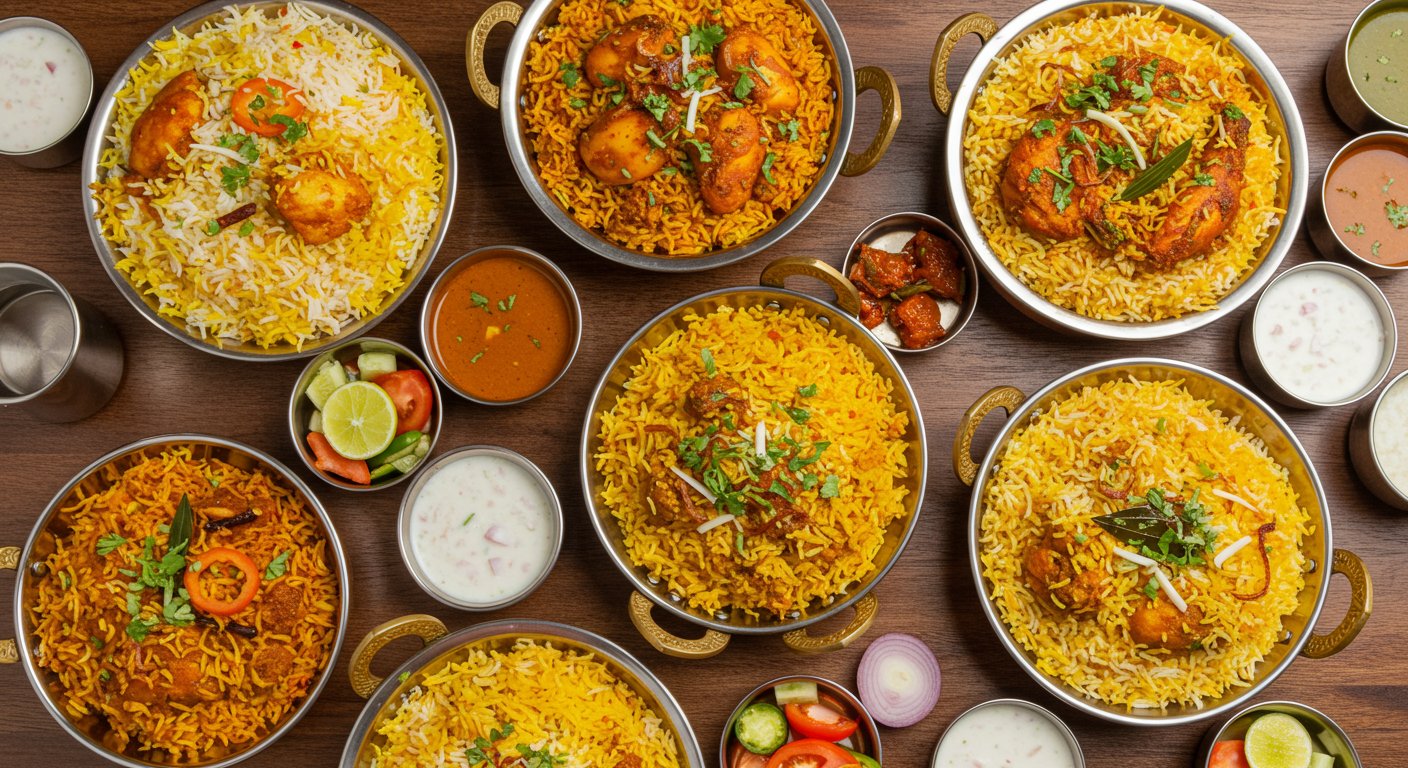
Why are chains specializing in biryani growing so rapidly? Let's unpack five reasons.
Reason 1: Adaptability to diverse food cultures
The defining feature of the Indian market is its "diversity of food." Dietary rules rooted in religion span Hinduism, Islam, Jainism, and other faiths, and preferences and seasoning styles differ greatly from region to region.
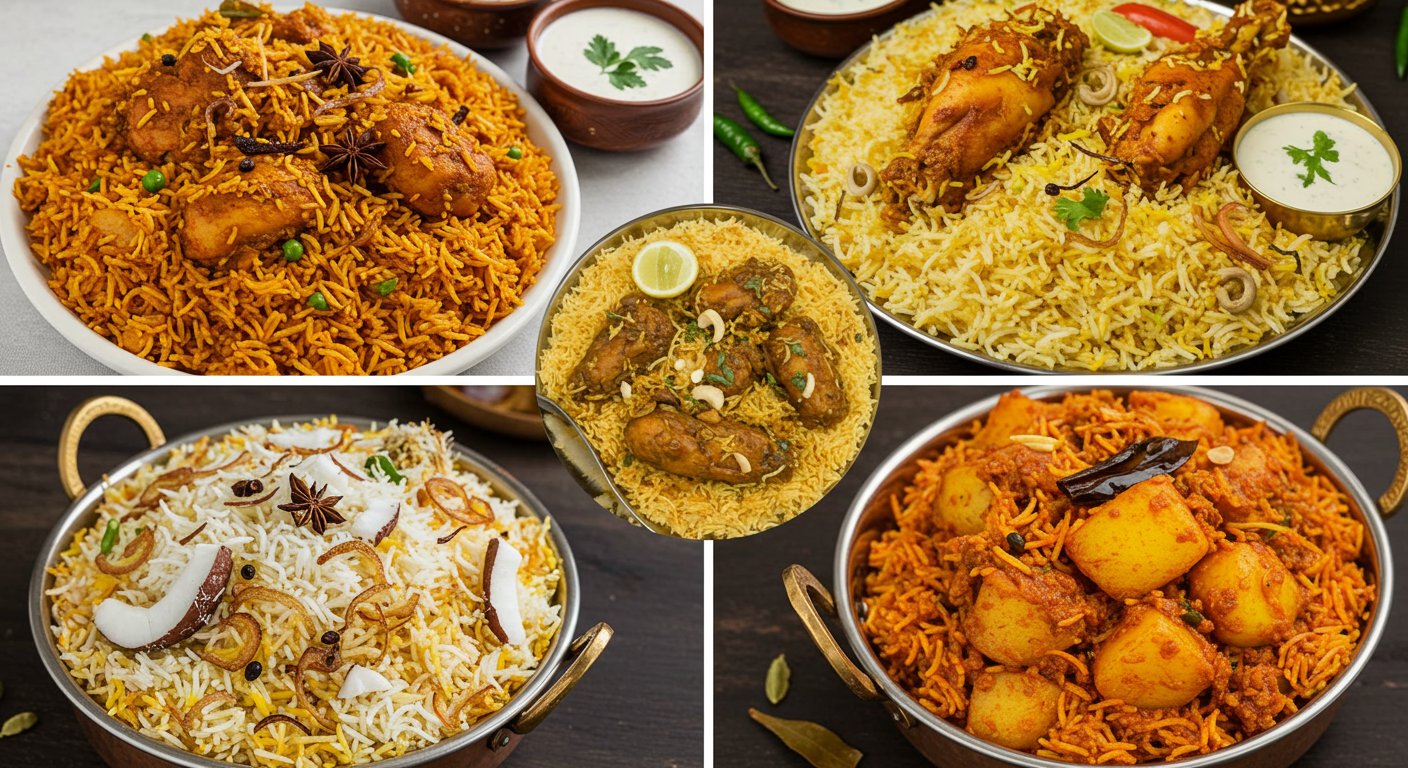
The strength of biryani chains lies in their ability to adapt flexibly to this diversity. For example, they can avoid beef and build products around chicken or vegetables instead, or roll out region-specific menus under the same brand, such as rice- and spice-heavy dishes in South India and wheat-based dishes in North India.
Because chains can roll out products that draw on regional specialties such as Ambur biryani, Awadhi biryani, and Bhatkali biryani, they have the advantage of being easy to expand nationwide.
Reason 2: High compatibility with delivery
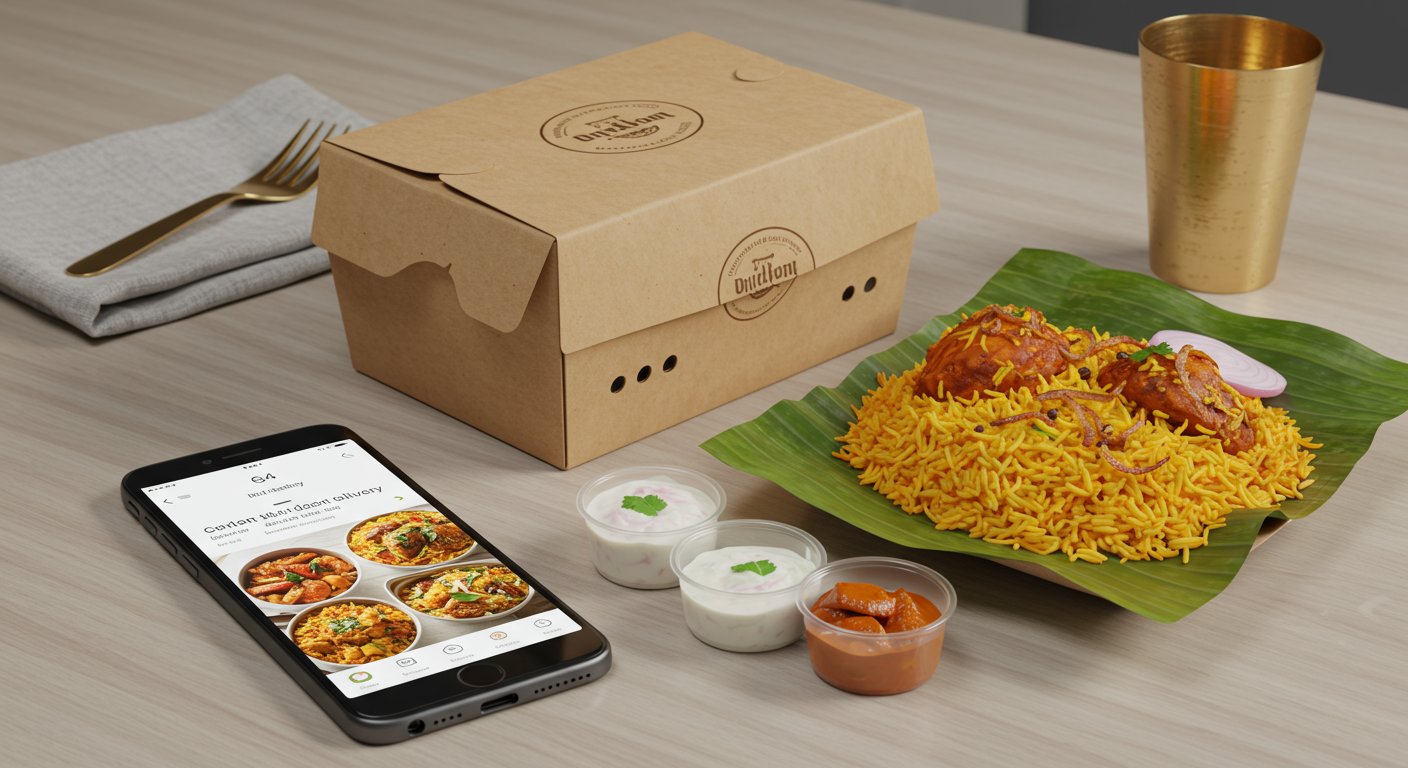
Given how it is prepared, biryani is exceptionally well suited to delivery. Because it is steamed, it holds its heat well during delivery and its flavor holds up even after some time has passed.
Zomato and Swiggy With the spread of online delivery platforms such as these, biryani chains have been able to deliver their products across a wide area without being tied to a physical store location. This has established a business model that can grow sales while keeping initial investment low.
Biryani chains benefited enormously as delivery demand surged, especially after the pandemic. While traditional restaurants have struggled, biryani chains optimized for delivery have continued to grow.
ビリヤニ専門店のなかには、テイクアウト時に葉で包むなど伝統的な提供方法を残すところもあり、デリバリーでも本場の雰囲気を損なわない工夫がされています。
An expansion strategy built on delivery strengths
By leveraging the strengths of delivery, biryani chains are expanding beyond major cities into Tier 2 and Tier 3 cities (small and medium-sized cities). By rolling out cloud kitchens and delivery-only outlets while keeping the cost of opening physical stores low, they are rapidly expanding their market share.
This strategy lets them offer services that emphasize cleanliness and convenience while keeping prices affordable, winning support from a broad range of customers.
Reason 3: Flexibility in catering to vegetarians
In India, an estimated 30% of the population is vegetarian, so dietary needs are extremely diverse. The strength of biryani chains lies in their ability to offer not only traditional meat-based biryani but also vegetarian biryani made with vegetables and lentils.
Global chains have also pursued their own adaptation strategies for the Indian market. Burger and pizza chains have actively introduced vegan and vegetarian products, but for biryani chains, this kind of adaptation comes naturally given the character of the dish itself.
Regional variations are also abundant. "Beary Biryani," passed down by the Byari community of coastal Karnataka, uses cashews and coconut milk, and there is also "Achari Biryani," which draws on the flavor of achar (pickle) (both typically use chicken or mutton). For vegetarians, there is a lineup of options that deliver rich flavor without meat, such as Veg Biryani, Tehri, and Kathal Biryani made with jackfruit.
Balancing religious considerations with regional character
Biryani chains also adapt flexibly to religious dietary restrictions. They can offer a wide range of variations on the same dish, including halal options for Muslims, root-vegetable-free menus for Jains, and beef-free menus for Hindus.
This flexibility is a major factor supporting the rapid growth of biryani chains in the Indian market, where a diversity of religions and food cultures coexist.
Reason 4: A wide price range combined with high profit margins
Depending on the ingredients and spice combinations used, biryani can be offered across a wide price range, from affordable to premium. This allows chains to reach a broad customer base, from students and young people to affluent consumers.
Biryani also has a relatively low cost ratio, making it easy to secure high profit margins. Because rice is the main ingredient and spice combinations can raise its perceived value, it makes for a business model well suited to chain expansion.
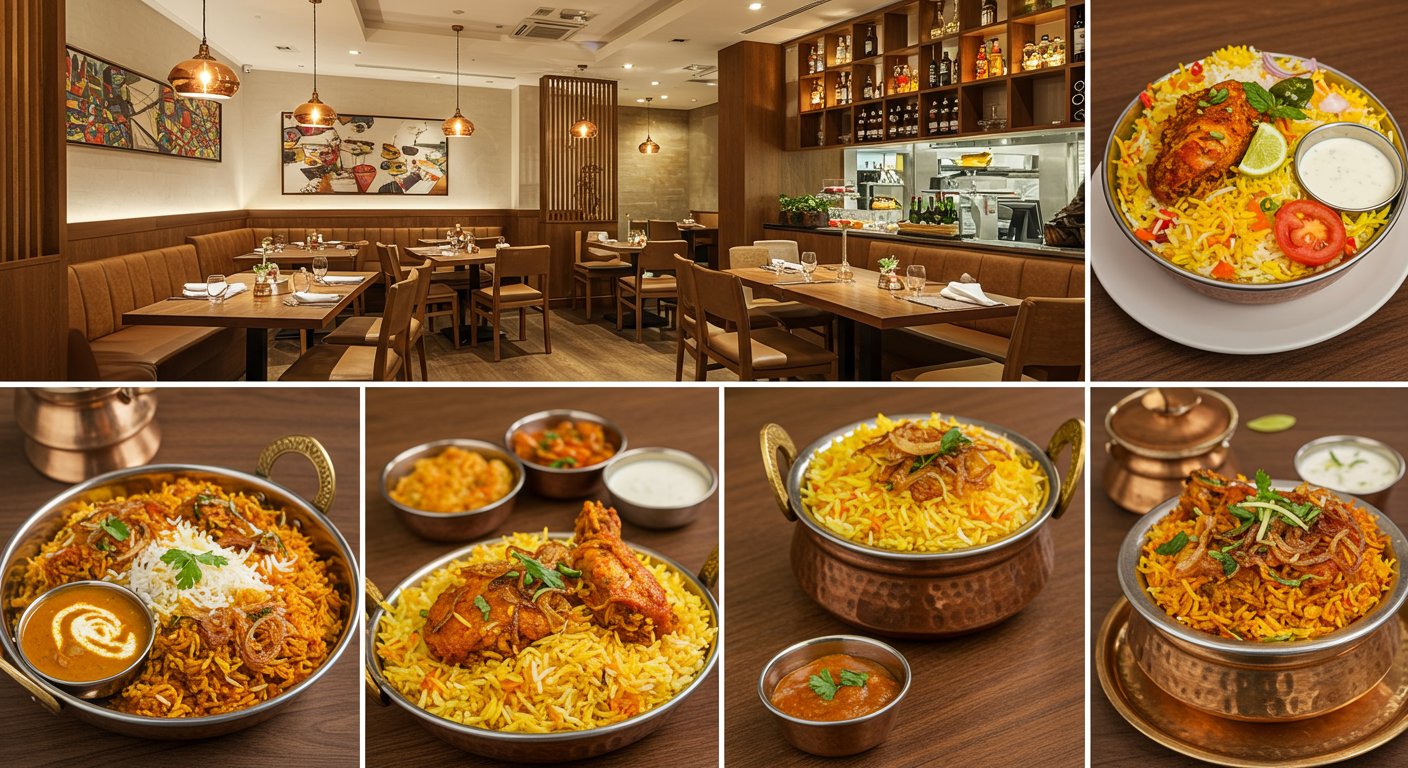
This wide price range enables flexible store rollouts tailored to the location and customer base, offering high-value biryani in stores inside upscale shopping malls and affordable lunch biryani in office districts, with strategic pricing set according to location.
Reason 5: Success in branding and storytelling
Many successful biryani chains don't just serve food; they effectively communicate the story and cultural value behind it. For example, they use elements such as "a secret recipe passed down through generations" or "a specific region's traditional cooking method" as their brand story.
James Quincey, CEO of the Coca-Cola Company, has said that in India, the meal people enjoy with Coca-Cola might well be biryani, showing that biryani is recognized internationally as a dish that represents Indian food culture.
Strategic marketing through social media
Biryani's visual appeal pairs extremely well with social media platforms such as Instagram, and its "Instagrammable" quality gives it strong potential to spread online. With plenty of visually striking elements, such as colorful spices and rising steam, biryani chains benefit from a surge in spontaneous user posts, gaining free promotional exposure.
Organizations such as the Japan Biryani Association have also been established, working to spread biryani, an ethnic dish that originated in India, throughout Japan. In this way, biryani is coming to be recognized as something with cultural value that goes beyond being simply a dish.
Summary: Business lessons from the growth of biryani chains
We have looked at five reasons India's biryani chains are growing so rapidly: adaptability to diverse food cultures, high compatibility with delivery, flexibility in catering to vegetarians, a wide price range combined with high profit margins, and effective branding and storytelling.
These success factors offer valuable lessons not only for the Indian market but also for food service businesses in other countries, including Japan. In particular, the sense of balance in respecting cultural background while incorporating modern technology and trends is extremely important in today's increasingly globalized business environment.
The growth model of biryani chains, turning diversity into a strength, leveraging digital technology, and growing while balancing tradition and innovation, may point to a universal key to success in modern business.
Biryani carries more than just great flavor — it holds generations of regional cultural accumulation.
Related Articles
Frequently asked questions
- What kind of dish is biryani, and why is it well suited to chain expansion?
-
Biryani is a dish made by steaming fragrant rice, such as basmati, with meat or vegetables and spices, and it has many regional variations. It adapts easily to diverse food cultures, and because rice is the main ingredient while spice combinations raise its perceived value, it forms a business model well suited to chain expansion.
- Why does biryani pair so well with delivery?
-
Because it is steamed, it holds its heat well during delivery and its flavor holds up even after time has passed. With the spread of delivery apps, chains can reach a wide area without being tied to a physical store location, allowing them to grow sales while keeping initial investment low.
- How do biryani chains accommodate India's religious dietary restrictions?
-
They can offer a wide range of variations on the same dish, including halal options for Muslims, root-vegetable-free menus for Jains, and beef-free menus for Hindus. Vegetarian biryani made with vegetables and lentils is also easy to accommodate, and this flexibility underpins their growth.
- Why are biryani chains able to attract such a broad customer base?
-
Because they can be offered across a wide price range, from affordable to premium, depending on the ingredients and spice combinations used. It's easy to keep the cost ratio low, and chains can set prices according to location, offering high-value items in upscale malls and affordable lunches in office districts.
- How have biryani chains succeeded at branding?
-
They use elements such as a secret recipe passed down through generations or a specific region's traditional cooking method as their brand story. Their visual appeal pairs well with social media, and spontaneous user posts generate promotional value. Biryani is gaining recognition internationally as a dish that represents Indian food culture.
- What can Japanese food service companies learn from the growth of biryani chains?
-
The biggest lesson is the sense of balance in respecting cultural background while incorporating modern technology and trends. A growth model that turns diversity into a strength, makes use of delivery and social media, and balances tradition with innovation can be applied to food service businesses in other countries as well.
Reference Information
MORE
Can Japanese products be placed on India's quick commerce?Will supermarkets in India stock Japanese products?Is wholesaling to India's ubiquitous kirana shops possible?Which malls in India are UNIQLO and MUJI in?Where does sales channel development in India start? How distribution works and how to choose a channelOrders placed in India do not arrive | How to find suppliers of ingredients and materials, and what to do about itSOJAPAN
We support Japanese companies entering India, from market research through local partner development, test sales, and import.