Home / Insights on entering the Indian market
India's Breakfast Revolution: The Success Strategy of Idli and Dosa Chains
2026.03.24
The transformation of India's breakfast culture and the potential for chain expansion
Breakfast is the meal that most vividly reflects a country's culture and way of life. South India's breakfast culture, in particular, has captivated food lovers around the world with its rich diversity and originality.
The fluffy steamed cake idli, the crispy crepe-like dosa, and the crunchy fried vada. These South Indian breakfast items are now drawing attention as a global food trend, not just within India.
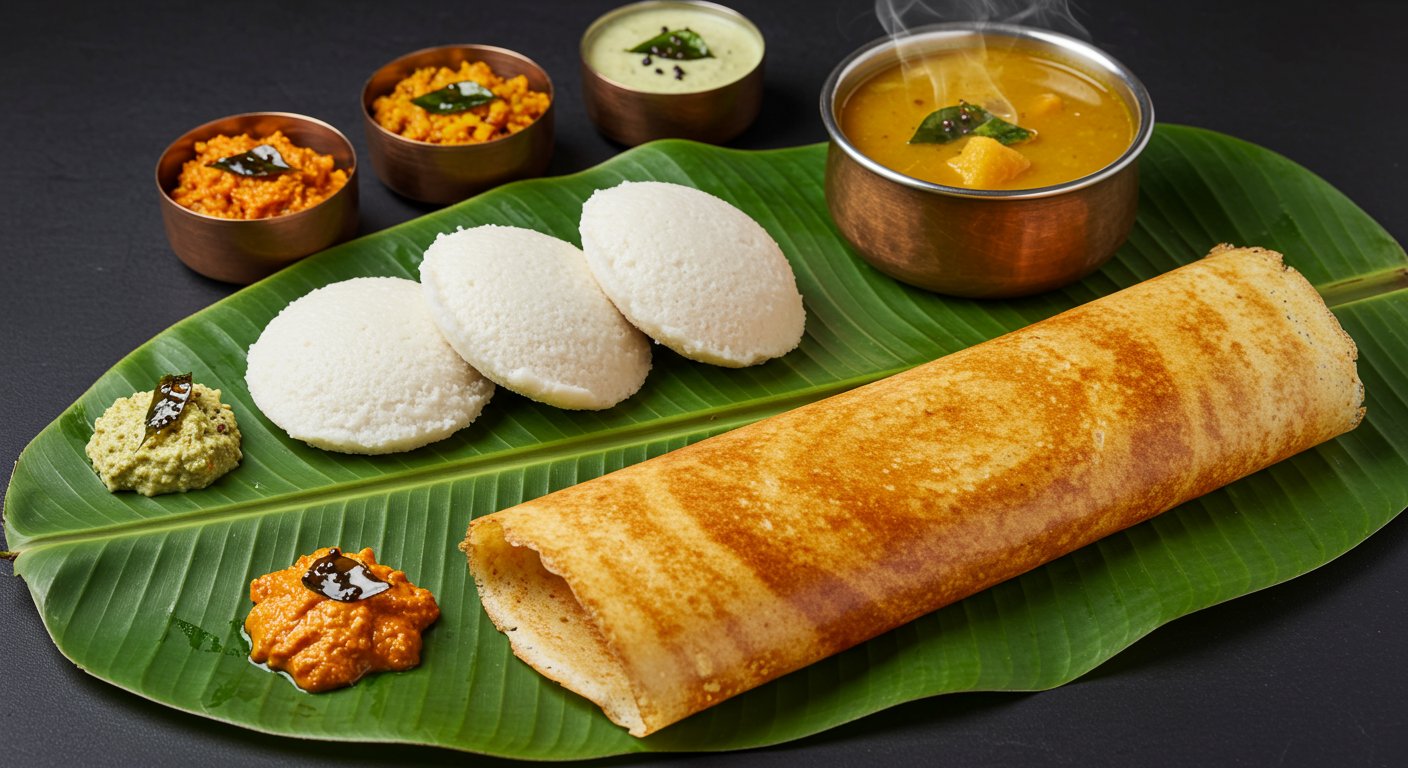
India's food service chain market has expanded rapidly over the past decade, driven by the growing middle-income population in urban areas and the spread of dining-out culture. Riding this wave of growth, chains specializing in traditional South Indian breakfast items have achieved remarkable success.
The appeal and originality of South Indian breakfast
The defining feature of South Indian breakfast is that it is healthy yet satisfying. Because it uses a batter made from fermented rice and lentils, it is easy to digest and highly nutritious.
Idli, in particular, is steamed and therefore low in oil, making it a perfect breakfast option for health-conscious people today. Dosa, meanwhile, has a crispy texture and a wide variety of fillings, offering an appeal that never gets old. Because both are made mainly from plant-based ingredients, they are also easy for vegetarians and vegans to embrace.
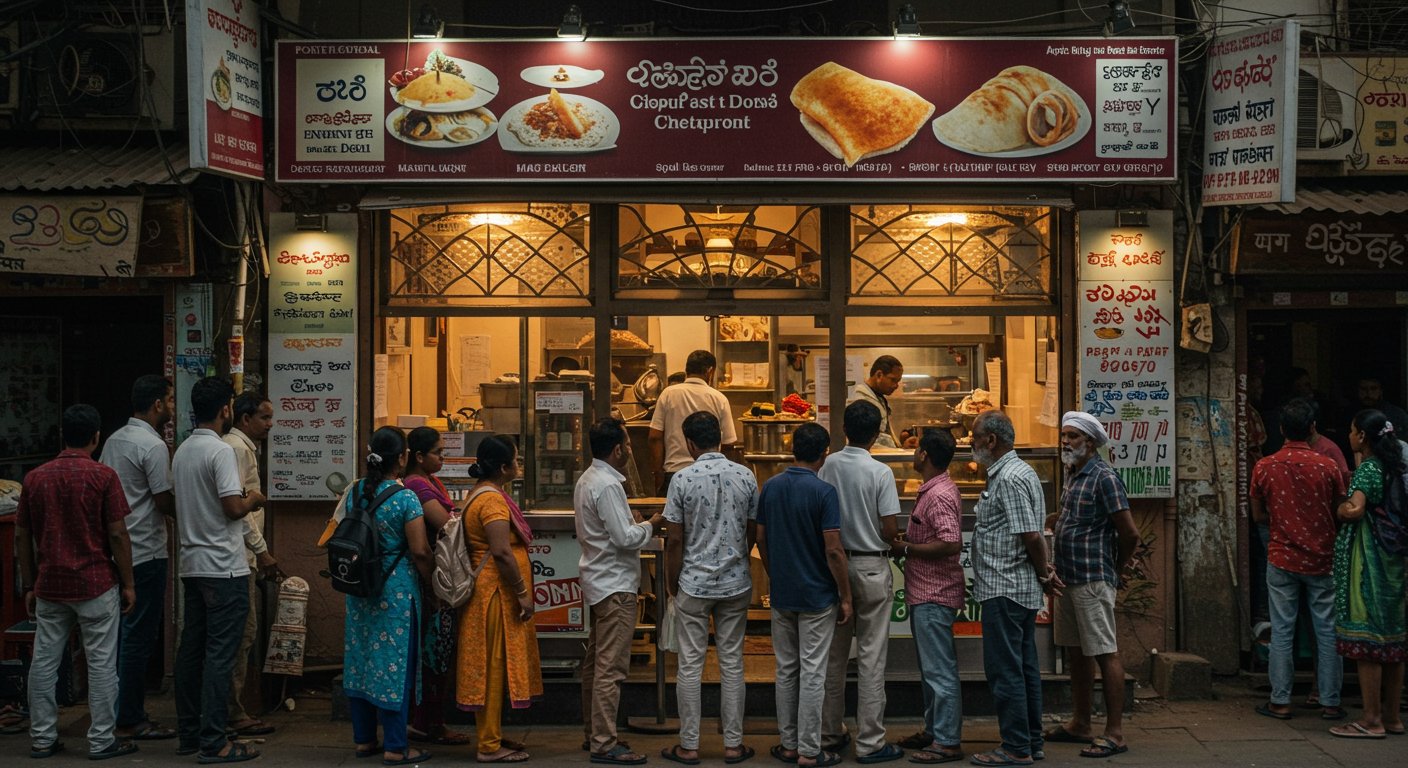
In South Indian cities such as Bengaluru and Chennai, long lines outside breakfast specialty shops are an everyday sight. Long-established shops such as Vidyarthi Bhavan and CTR have kept serving the same flavors for decades and enjoy tremendous support from local residents.
Building on this traditional breakfast culture, chains that combine it with modern business models are spreading rapidly across India.
Common strategies of successful idli and dosa chains
There are several strategies common to the success of South Indian breakfast chains. The first is adapting to regional diversity in food.
Food preferences in India vary greatly by religion and region. Dietary rules rooted in religion span Hinduism, Islam, Jainism, and other faiths, and taste preferences also differ from region to region. Successful chains keep their core menu while making fine adjustments to suit the region where each store operates.
For example, the same brand may offer region-specific menus, such as rice- and spice-heavy dishes in South India and wheat-based dishes in North India, allowing it to accommodate regional tastes even while expanding nationwide.
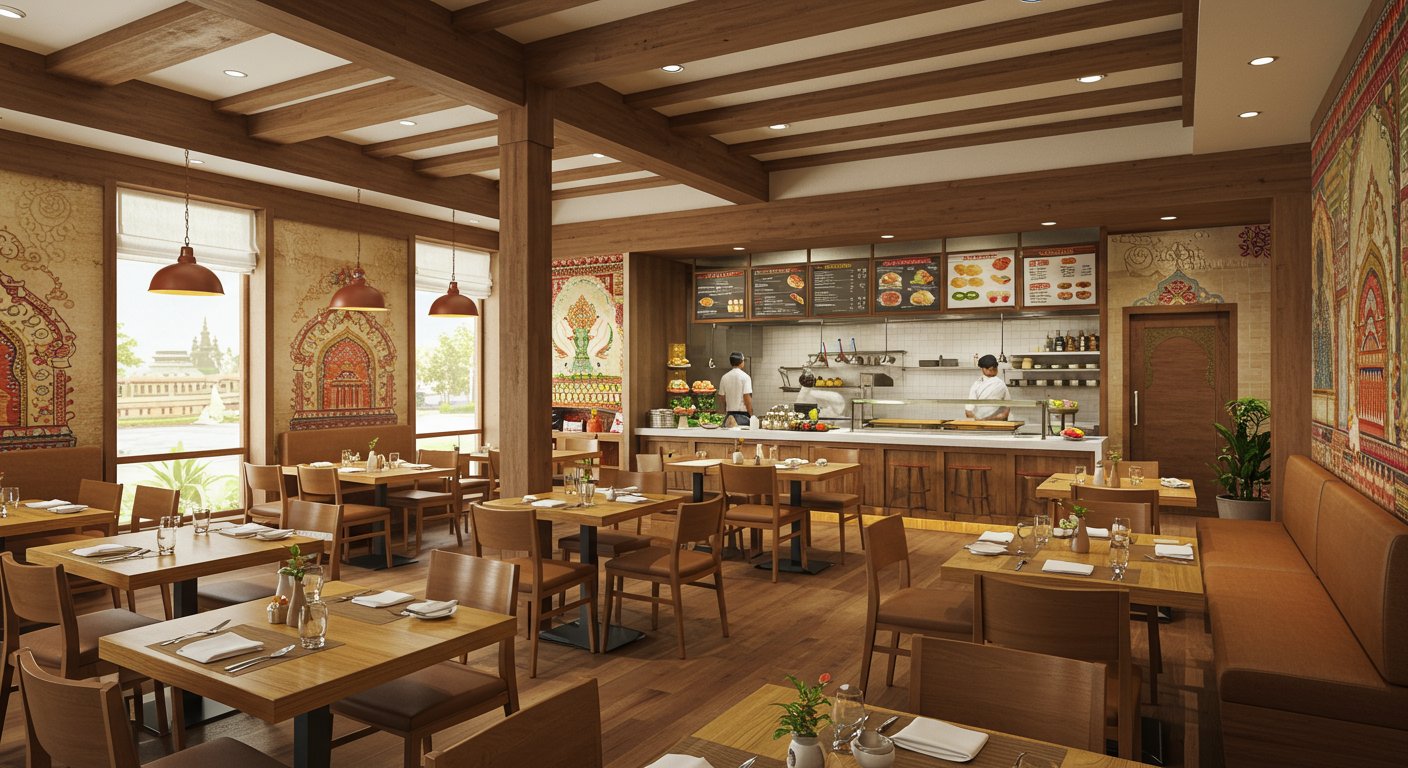
The second is balancing cleanliness with efficiency. While preserving traditional flavors, chains have modernized store design and cooking processes to achieve clean, efficient operations. Younger generations and urban customers, in particular, want both traditional flavor and a modern store environment.
And the third is the active use of digital strategy. Zomato and Swiggy Through partnerships with delivery platforms such as these, chains have significantly increased sales outside the store.
Pricing strategy and standardization efforts
Another characteristic of successful chains is a strategy of maintaining quality while keeping prices low. Affordable pricing positions them as a breakfast option people can use every day.
How do they achieve this?
The key is standardizing and streamlining the cooking process. Chains have devised ways for anyone to make dosa at a consistent quality, a task that traditionally relied on artisan skill. By standardizing dedicated cooking equipment and batter recipes, they can maintain consistent quality even without a skilled cook.
Balancing innovation and tradition
The biggest challenge for South Indian breakfast chains is incorporating innovation while preserving traditional flavors. Successful chains keep their core traditional menu while also offering modern variations.
For example, alongside the traditional masala dosa, chains have developed menu items geared to younger tastes, including versions with cheese or paneer (Indian cottage cheese), as well as Chinese- and Italian-style fusion dosas.
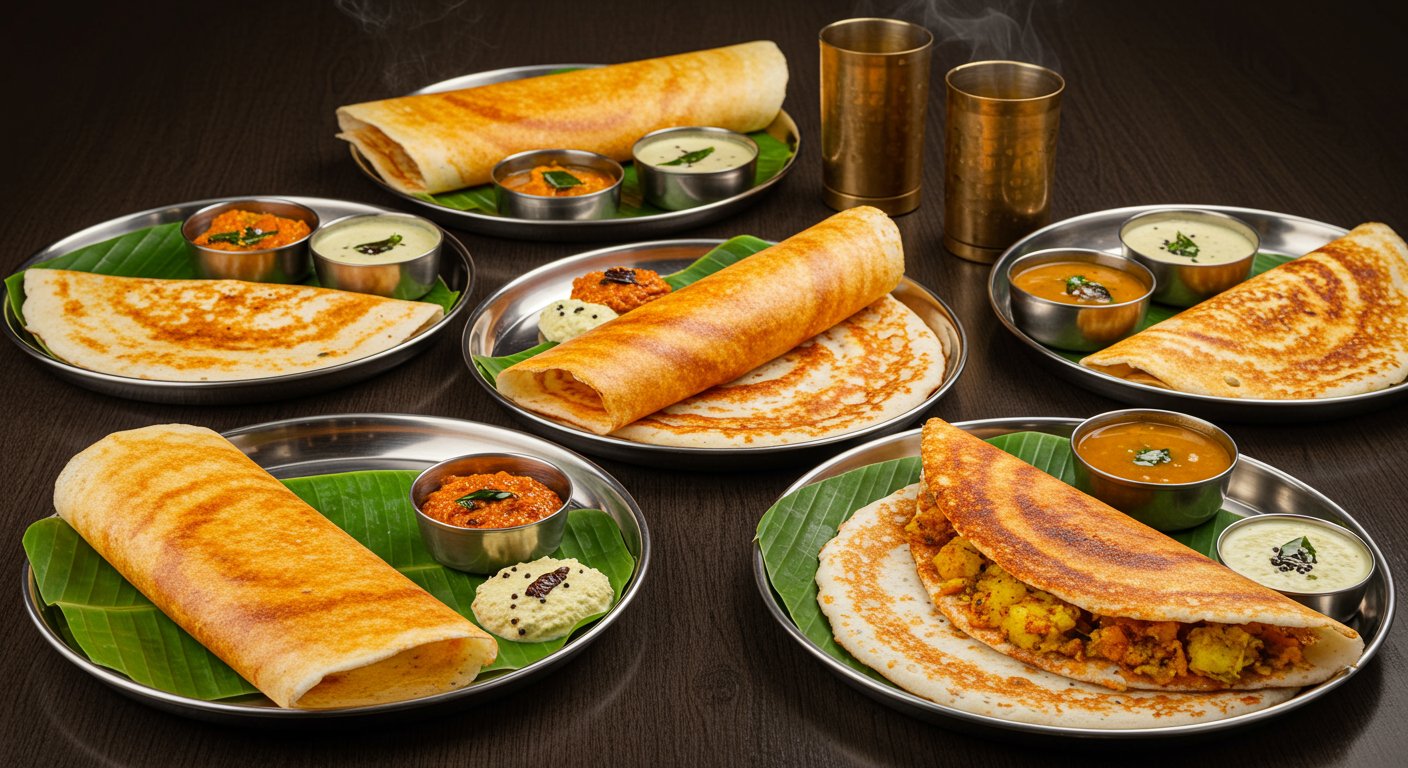
A balance of tradition and innovation can also be seen in store design. A defining feature is decor that reinterprets traditional elements in a modern way, such as tableware modeled on banana leaves and interiors inspired by South Indian architecture.
What's even more interesting is that chains have adopted the concept of "all-day breakfast," extending the hours during which breakfast items are available. By serving what was traditionally considered breakfast food all day long, they increase customer convenience and boost store utilization.
The challenge of global expansion
Building on their success within India, some chains have already begun expanding internationally. Their main targets are areas with large South Indian immigrant populations and cities with strong interest in Indian cuisine.
The biggest challenge in overseas expansion is likely maintaining an authentic taste while adapting to local palates. Successful chains keep their core cooking methods and ingredients unchanged while making fine adjustments, such as tweaking the amount of spice or level of heat.
Training local staff is also an important factor. By providing comprehensive training that covers not only South Indian cooking techniques but also the cultural background of the food and how it is served, chains recreate an authentic atmosphere.
In the Japanese market too, growing health consciousness and interest in gluten-free food suggest that South Indian breakfast items made mainly from rice and lentils are likely to be well received. South Indian restaurants are already gaining popularity in Tokyo and Osaka, and there is likely ample room for chain expansion.
Implications for the Japanese market
There is much that Japan's food service businesses can learn from the success of India's breakfast chains. In particular, the sense of balance in pursuing standardization and efficiency while respecting regional food culture could be applied to Japanese food service chains as well.
Actively using digital strategy is another important point. Just as Indian chains have grown rapidly by leveraging platforms such as Zomato and Swiggy, Japanese food service businesses can also open up new customer segments by effectively adopting delivery services and social media marketing.
Furthermore, responding to "dietary diversity" is also becoming more important in the Japanese market. South Indian breakfast items, which meet diverse dietary needs such as vegetarian, vegan, and gluten-free, may well fit Japan's own increasingly diverse food culture.
What we should learn from India's breakfast revolution is an attitude of preserving tradition while not fearing innovation, and a flexible ability to adapt based on an understanding of regional characteristics. These may well be universal elements of successful food businesses that transcend country and culture.
Summary: The future outlook for South Indian breakfast chains
The idli and dosa chains driving India's breakfast revolution have achieved rapid growth by fusing traditional food culture with modern business models. Their success factors are wide-ranging, including adapting to regional food diversity, balancing cleanliness with efficiency, and making use of digital strategy.
Going forward, alongside deeper penetration of the domestic market, international expansion is likely to accelerate as well. In particular, given rising health consciousness and interest in gluten-free food, South Indian breakfast items made mainly from rice and lentils hold the potential to be well received around the world.
For Japan's food service businesses too, the success of India's breakfast chains is rich with implications. It offers lessons in universal success factors that transcend country and culture, such as balancing tradition and innovation, adapting to regional characteristics, and making use of digital strategy.
The revolution spreading the appeal of South Indian breakfast around the world has only just begun.
Related Articles
Frequently asked questions
- Why are South Indian breakfast items drawing attention as a food trend?
-
South Indian breakfast items such as idli, dosa, and vada are valued for being easy to digest and highly nutritious, thanks to their fermented rice-and-lentil batter. Idli in particular is steamed and low in oil, suiting health-conscious people today. Because they are made mainly from plant-based ingredients, they are also easy for vegetarians and vegans to embrace, which is another strength.
- What success strategies do idli and dosa chains have in common?
-
Common elements include regional adaptation, keeping the core menu while fine-tuning it for each region; balancing cleanliness with efficiency, preserving traditional flavors while modernizing store design and cooking processes; and a digital strategy built on partnerships with delivery apps. Together, these let chains expand nationwide while still catering to regional tastes.
- What is the key to balancing affordable prices with quality?
-
The key is standardizing and streamlining the cooking process. By standardizing dedicated cooking equipment and batter recipes, chains can maintain consistent quality even without a skilled cook, for a task that traditionally relied on artisan skill. This makes it possible to position products at a price point people can use every day.
- How is the balance between tradition and innovation achieved?
-
Successful chains preserve core traditional items such as masala dosa while also offering variations aimed at younger customers, such as versions with cheese or paneer and fusion-style dosas. They have also introduced all-day breakfast, serving breakfast items throughout the day, which helps boost store utilization as well.
- Does South Indian breakfast have potential in the Japanese market too?
-
Given rising health consciousness and interest in gluten-free food, there is room for South Indian breakfast, made mainly from rice and lentils, to be well received in Japan too. South Indian restaurants are already gaining popularity in urban areas, suggesting there is ample room for expansion.
- What practical steps can Japanese food service companies take from this success model?
-
They can apply a sense of balance that pursues standardization and efficiency while respecting regional food culture, actively use delivery services and social media marketing, and address diverse dietary needs such as vegetarian, vegan, and gluten-free. When expanding overseas, it helps to keep core cooking methods and ingredients unchanged while making fine adjustments such as tweaking spice levels, along with comprehensive training for local staff.
Reference Information
MORE
Can Japanese products be placed on India's quick commerce?Will supermarkets in India stock Japanese products?Is wholesaling to India's ubiquitous kirana shops possible?Which malls in India are UNIQLO and MUJI in?Where does sales channel development in India start? How distribution works and how to choose a channelOrders placed in India do not arrive | How to find suppliers of ingredients and materials, and what to do about itSOJAPAN
We support Japanese companies entering India, from market research through local partner development, test sales, and import.