Home / Insights on entering the Indian market
Eight Reasons India's Street Food Is Loved Around the World
2026.03.24
Why Indian Street Food Is Loved the World Over
A lively street lined with colorful stalls. The scent of spices drifting through the air, people standing and eating steaming dishes straight out of their hands. India's street food scene is not simply a place to eat — it's an inviting space where you can experience a culture firsthand.
In recent years, this Indian roadside food has been drawing attention around the world. From New York to London to Tokyo, specialty shops serving authentic Indian street food have been opening one after another, and its popularity shows no sign of slowing.
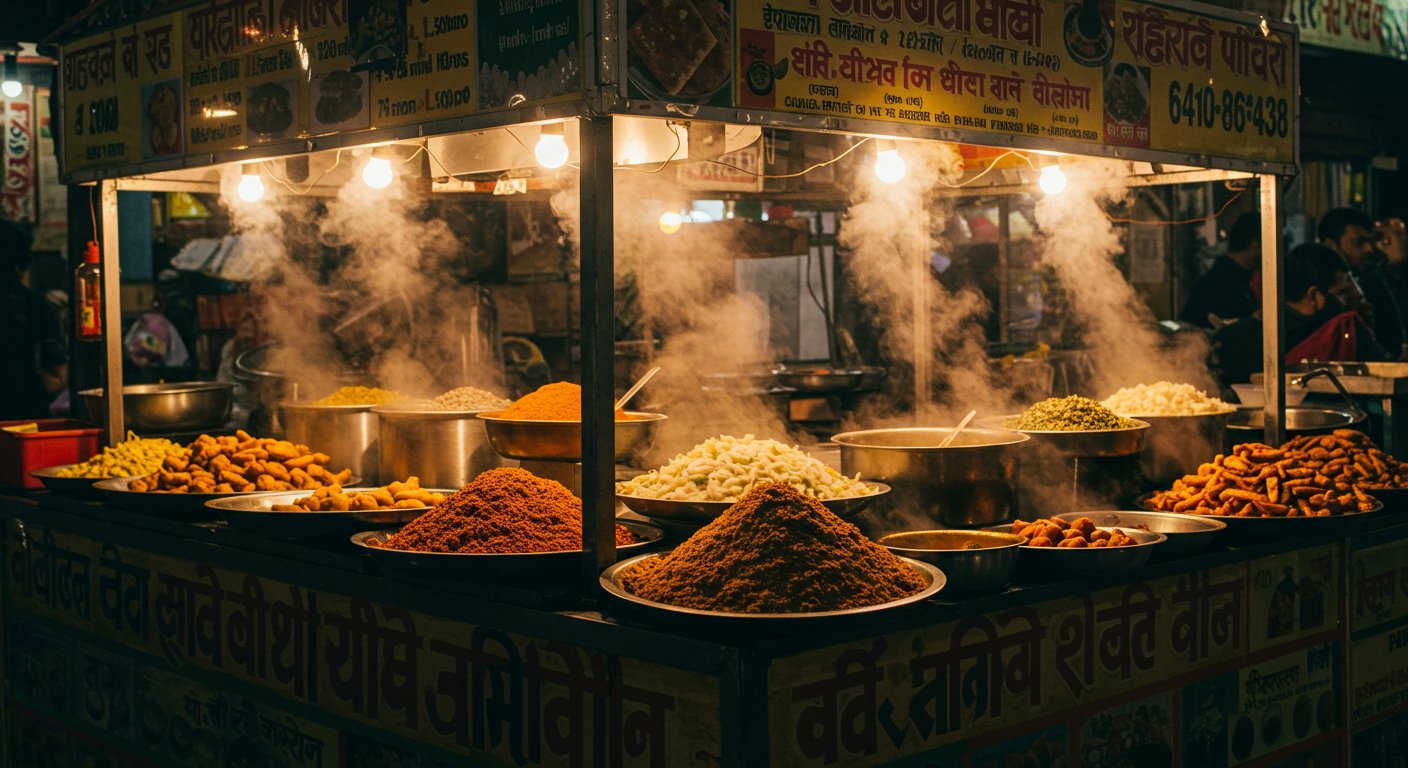
So why is Indian street food loved so deeply around the world? Let's dig into the reasons and its appeal through eight key points.
1. An Overwhelming Diversity and Depth of Flavor
The biggest appeal of Indian street food is its astonishing diversity. From Kashmir in the north to Kerala in the south, completely different food cultures exist across the country.
Pav bhaji, for example, which originated in Mumbai, pairs soft, buttery bread rolls called “pav” with “bhaji,” a rich, spiced vegetable curry. It's served with plenty of butter melted over the piping-hot bhaji, along with finely chopped onion, fresh coriander, and a sharp squeeze of lemon. In this single dish alone, sweetness, spice, sourness, saltiness, and umami come together in an exquisite balance.
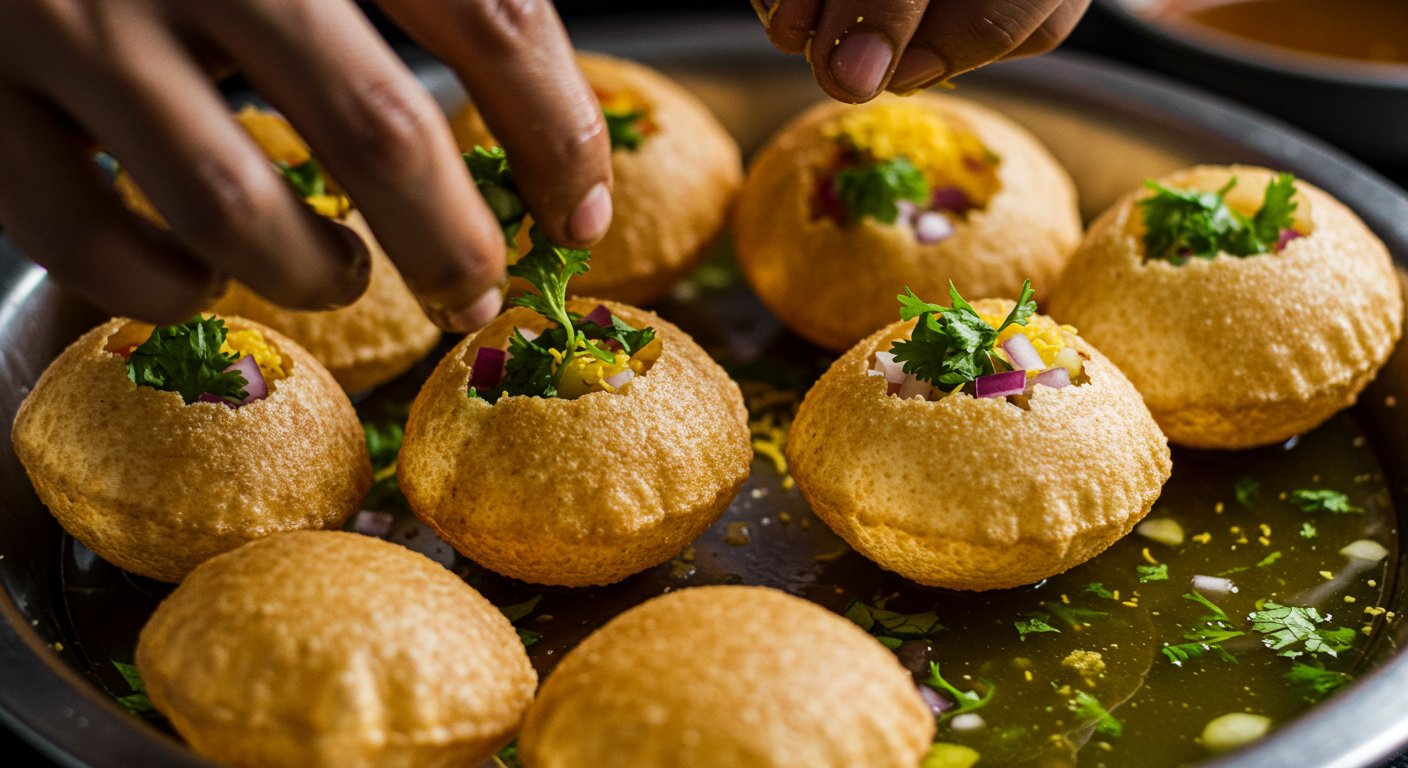
Pani puri from North India (known by various names elsewhere, such as golgappa or phuchka) is a hollow, fried shell filled with spiced water and tamarind sauce, eaten in a single bite. The texture that bursts in your mouth and the complexity of flavor make it a taste you won't forget once you've tried it.
This diversity of flavor has been cultivated over India's long history. Different cooking methods and ingredient combinations arose from each region's climate, crops, and cultural background, and each developed along its own path.
2. Original Vegetarian Dishes Born from a Religious Food Culture
One feature of Indian street food that shouldn't be overlooked is its rich vegetarian menu. A vegetarian food culture that grew out of the Hindu and Jain teaching of non-violence has refined the art of creating satisfying dishes without meat.
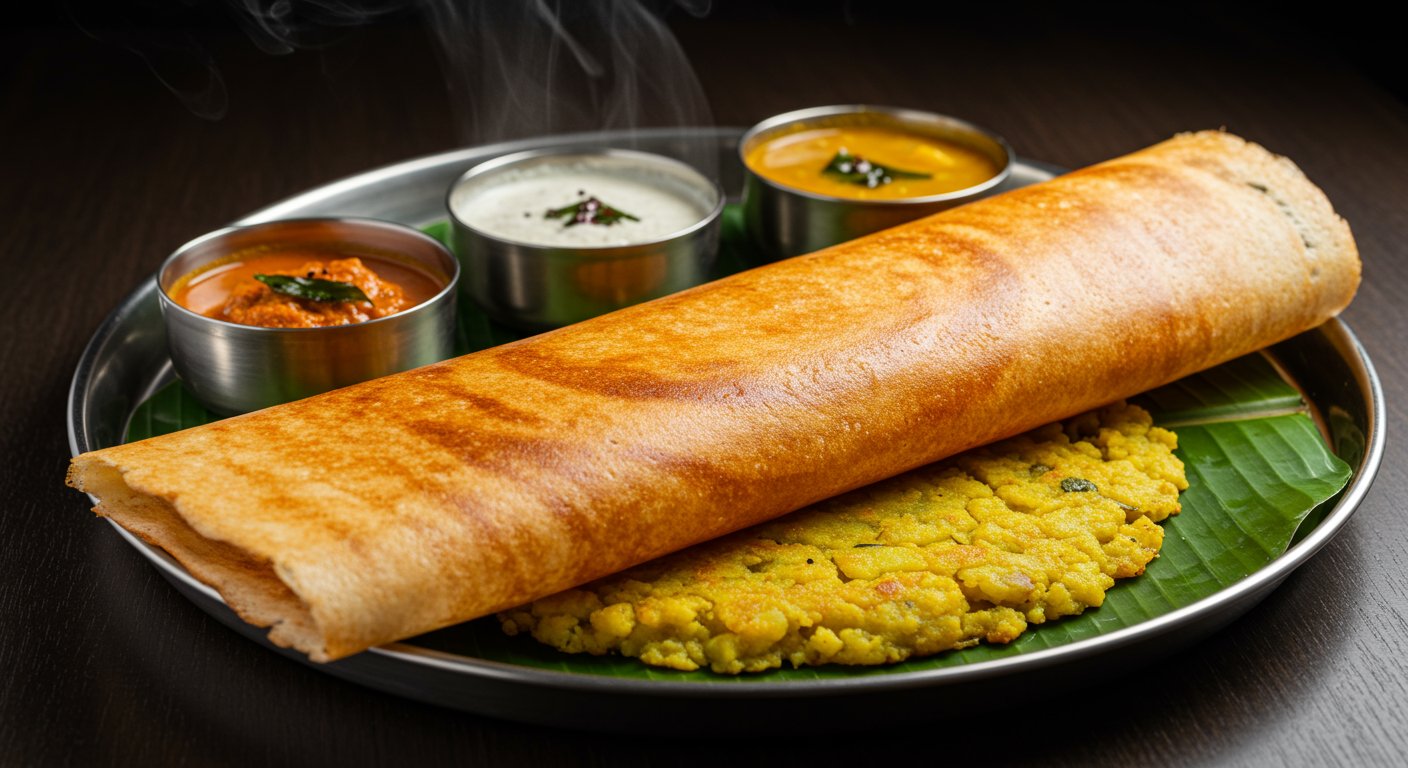
Dosa, which originated in South India, is a thin, crepe-like batter made from rice and lentils, wrapped around a spiced potato filling. Despite using no meat at all, its savory aroma, changing textures, and the complexity of its spices make it every bit as satisfying as a meat dish.
This vegetarian culture also fits well with today's growing health consciousness and environmental awareness, aligning with food trends around the world. Dishes that are delicious without meat and thoughtfully balanced nutritionally captivate not just vegetarians but many people in general.
The development of various alternative protein sources and cooking methods for people who avoid meat for religious reasons is also an important factor supporting the diversity of Indian street food.
3. The Social Bonds Created by Affordability and Ease
One of the great appeals of Indian street food is its “democratic” nature. Unlike a fine-dining restaurant, its pricing and atmosphere, which anyone can enjoy casually, draw in people from every walk of life.
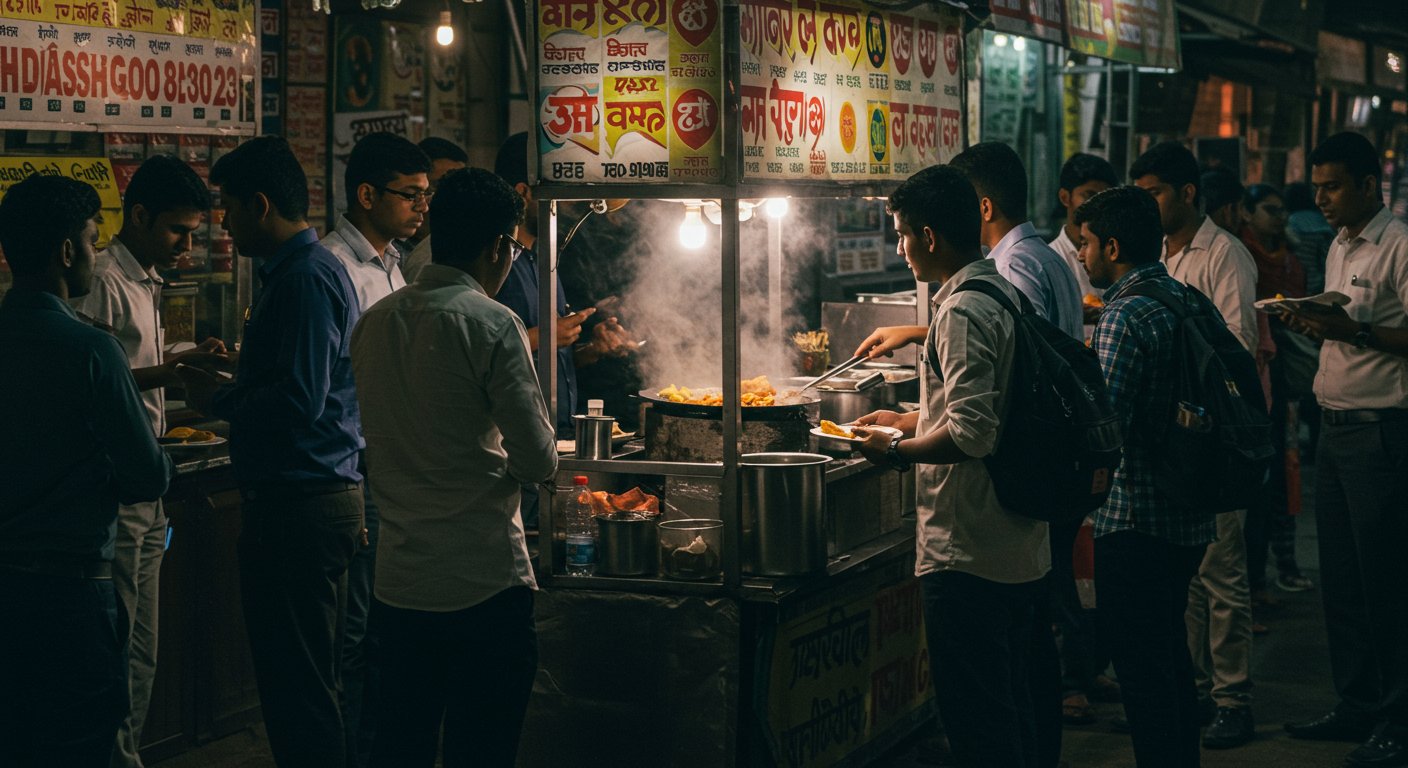
実際、インドでは所得に関係なく、多くの人々が日常的にストリートフードを楽しんでいます。デリーのチャンドニー・チョークのような場所では、スーツを着たビジネスマンから学生、労働者まで、さまざまな人々が同じ屋台の前に並び、立ち食いする光景が見られます。
This role as a place for interaction across social classes is also why Indian street food carries cultural value beyond simply being “cheap food.” The community that forms around food provides a sense of “connection” that is increasingly rare in modern society.
4. Inventive Cooking Techniques Born from Street Food Stalls
How do you draw out the best possible flavor with limited space and equipment? This very constraint has, in fact, nurtured the originality of Indian street food.
Pav bhaji's method of preparation, for example, was born in Mumbai's textile mills in the mid-19th century. When workers needed a nutritious meal they could eat during a short lunch break, stall owners found a solution: mash leftover vegetables, season them with spices, and pair them with buttered bread.
Many street food stalls also developed the technique of cooking several dishes at once on a large griddle (tawa). This method of cooking efficiently within limited space and time produces a distinctive flavor and texture that sets it apart from home cooking.
This “creativity born of constraint” has influenced chefs around the world. The wisdom of drawing maximum flavor from simple tools and techniques is bringing a fresh perspective to the culinary world today.
5. A Food Culture That Engages All Five Senses
The appeal of Indian street food isn't just the taste. It lies in the whole “experience.”
Standing in front of a stall, the first thing that catches your eye is the cook's deft hands — the craftsmanship of making an omelet bread with a single frying pan, or the tense moment of pouring liquid into a pani puri, builds anticipation before you've even taken a bite.
Listen closely and you'll hear ingredients sizzling on the griddle, batter frying in oil, and the chatter and laughter of the people around you. Tickling your nose is the aroma of various spices — cardamom, cumin, coriander. And a culture of eating with your hands makes touch, too, an essential part of the experience.
This eating experience, which engages all five senses, stands apart from the homogenized fast food of today, offering deeper satisfaction and a memorable experience.
6. A Wealth of Variation Where Regional Character Shines
One of the appeals of a country as vast as India is that even the same dish can taste completely different from one region to the next.
Take chai, for example. In Kolkata it's served in an unglazed clay cup with an earthy aroma, while in North India it comes as masala chai with a variety of spices added. In South India, coffee is more common, and the way chai is made differs as well.
Lassi, too, tastes completely different depending on the region. Jaipur's lassi is famous for being creamy, smooth, and rich, while in other regions you'll find tangier versions or variations with fruit added.
This regional character multiplies the fun of exploring Indian street food many times over. Finding something new in a dish with the same name, depending on where you visit, feels like a culinary adventure.
7. The Art of Using Spices to Balance Health and Flavor
A hidden appeal of Indian street food lies in its use of spices to deliver both flavor and health benefits at once.
Turmeric, for example, is said to have anti-inflammatory properties, cumin to aid digestion, and coriander to have a detoxifying effect. These spices don't just add flavor to a dish — they're also believed, based on the wisdom of the traditional medical system of Ayurveda, to offer health benefits.
What's interesting is that in Indian home cooking, there is also a philosophy of “using only the minimum amount of spice and salt so the taste of the vegetables isn't lost.” This sense of balance — bringing out the ingredients' own flavor while using just enough spice to round it out — speaks to the depth of Indian cuisine.
As health consciousness rises around the world, this wisdom around spices is being reevaluated, which is likely one more reason Indian street food is drawing attention.
8. A Flexibility That Keeps Evolving Amid Globalization
The last point worth raising is Indian street food's “adaptability.” While preserving tradition, it has the capacity to evolve flexibly to fit the times and its environment.
Indian restaurants that have expanded overseas, for example, adapt their dishes to local tastes. In Japan, the spice level is toned down, while in the United States, portions are made larger — showing a sense of balance that stays close to each country's food culture without losing the dish's essential appeal.
Within India as well, global chains are pursuing their own adaptation strategies for the Indian market. Burger and pizza chains, for instance, are actively introducing vegan and vegetarian options and incorporating spices and ingredients distinctive to the local market.
This flexibility — changing while preserving its essence — may well be the secret behind Indian street food's enduring appeal across generations.
What Indian Street Food Teaches Us
We've looked at eight appeals of Indian street food, but this isn't simply a story about “delicious food.” Packed within it is the power of food to respect cultural diversity, generate creativity out of constraint, and connect people.
Loved the world over, Indian street food teaches us the importance of “authentic flavor” and “the experiential value of food” that globalization has not erased.
The next time you visit an Indian restaurant, try savoring your meal with all five senses while thinking about the story behind each dish on the menu. You're sure to discover something new.
Frequently asked questions
- Why is Indian street food gaining popularity around the world?
-
The reasons include an overwhelming diversity of flavors, vegetarian dishes born from religious food culture, the social bonding created by affordable prices, and an experience that engages all five senses. Specialty restaurants are opening around the world. Being able to experience the culture itself creates value that goes beyond simply eating a meal.
- What are some representative examples of Indian street food?
-
Pav bhaji, which originated in Mumbai, combines buttery bread with a spiced vegetable curry. Pani puri (also called golgappa or phuchka depending on the region) is a bite-sized dish made by filling fried dough shells with spiced water or tamarind sauce. Dosa from South India is another classic example.
- Why does Indian street food include so many vegetarian dishes?
-
Vegetarian culture developed from the Hindu and Jain teaching of non-violence (ahimsa), and techniques for creating satisfying dishes without meat have been refined over time. Many dishes deliver satisfaction through savory aromas and varied textures even without any meat, and this also fits well with modern health consciousness and environmental awareness.
- Why does the same dish taste different from region to region?
-
India is vast, and its climate, crops, and cultural background differ from region to region. Chai is served differently and uses different spices depending on the region, while coffee is the mainstream drink in South India. Lassi also varies widely, with its creaminess and tartness differing by region.
- What are the characteristics of street food cooking techniques?
-
The constraints of limited space and equipment have fostered creativity. The technique of cooking multiple dishes simultaneously on a large griddle achieves both efficiency and a distinctive flavor. Ingenious touches for fast service can be seen throughout.
- How can the flexibility of Indian street food be leveraged for overseas expansion?
-
Indian restaurants that have expanded overseas adjust to local preferences while preserving their essential appeal, for example toning down the spiciness in Japan or increasing portion sizes in other countries. This ability to adapt while retaining the essence of the dish offers a useful reference for entering markets with different food cultures. The key is a design that adjusts to local tastes while keeping the core flavor intact.
Related Articles
MORE
Can Japanese products be placed on India's quick commerce?Will supermarkets in India stock Japanese products?Is wholesaling to India's ubiquitous kirana shops possible?Which malls in India are UNIQLO and MUJI in?Where does sales channel development in India start? How distribution works and how to choose a channelOrders placed in India do not arrive | How to find suppliers of ingredients and materials, and what to do about itSOJAPAN
We support Japanese companies entering India, from market research through local partner development, test sales, and import.